Joni Mitchell – Blue Joni’s classic and most personal album from 1971 – it took some time for me to understand this album but I got there – in my top 3 of all time.
Emmylou Harris – Pieces of the Sky The only album I bought without hearing the artist at all. Emmylou had just come from the pain of Gram Parsons death to produce this wonderful album in 1974 – one of my favourite artists.
Neil Young – Time Fades Away A stunning live album that Neil Young hates but is one of the most powerful recordings of a rock concert – Young in manic form as he test his audience and his band to the limit in this 1973 release that he buried on CD for decades.
Bruce Springsteen – Darkness on the Edge of Town If new to Springsteen start here – he is on peak form with this 1978 album as he comes out from the legal difficulties that stalled his career – near perfect album from the ‘Boss’.
Please Enjoy my Travel, Music & Ancestry Books on Amazon – FREE on Kindle Unlimited https://bit.ly/bookneal
The slum dwellings of Water Street Darwen – the home of my family back in Victorian times – My granddaughter added to the scene to remind her of what she missed
The late 1870’s are the most desperate of times for the Atherton family. Central Darwen either side of the main road is home to hundreds who slave day after day, hour after hour in the dark satanic mills of East Lancashire. Water Street and the area around it is the home of the Athertons until a breakout from the area in the 20th Century. In our cossetted lives it is difficult, impossible really, to fully comprehend what these people went through in those times.
Water Street in Darwen was the lowest of the low, a virtual cess pit of squalor. Filth lines the winding streets and alleyways. At one point before the family moved upmarket into Water Street, they found themselves living just around the corner and the dwelling in this place was described as a ‘pod’ – one of three. It is difficult to establish exactly what this ‘pod’ consisted of, but I feel sure that Water Street despite its squalor was in fact a step up in quality – the pod would have been life in the most appalling conditions. This was a place of poverty beyond comprehension, an area populated by extremely large families, so large that the pitiful dwellings offered not an inch of privacy for the occupants. The narrow winding street was a running sewer that the neglected children had to use for their only space to play. The entrance door of the poorly built houses were raised up by a few stone steps just above the street – a means of at least keeping some of the water and sewage out of the living areas of the houses. Water Street was a part of Darwen that was notorious for its criminality. Brothels serviced the men of the area. Irresponsible men who continually got their women pregnant, producing children that had barely a chance of reaching school age let alone going on to adulthood.
Mary Atherton (Lowe), sister of my 2nd GGF has at least 13 children and as a mother she loses certainly a minimum of eight. In 1878 she gives birth to her final child Elizabeth. Then Mary expires, finally at rest. Her ravaged body is totally spent at the age of 42. She is not alone, this fate befalls so many of the women in the slums of Victorian England, and Darwen is counted among the worst of them all. The two men, my 2nd GGF John Atherton and his brother-in-law John Lowe, had without doubt a hard life. However, they do not put the interests of their wife and family first. Despite the dire circumstances of the times, it is difficult even from this distance in time to excuse the way they conducted themselves, although the mill system would have broken most men. John Low fathered as we know at least 13 children with his wife and John Atherton fathered at least 10. They had no realistic means of supporting such a large number. Living in the desperate area of Water Street this condemned their wives to a life of totally misery, not to mention what the children must have suffered in such poverty. One of John Atherton’s children, Jonathan, goes on to father eight children and only one of these survives to adulthood.
Water Street Darwen Lancashire – Note the stream running under the buildings. This caused tragedy and loss of life in Victorian times
The area in and around Water Street would have been rife with syphilis and this would have weakened the children as well as their mothers. The mortality rate in this area of Darwen was off the scale and only the very fittest of these little ones survived. The two Johns set a dreadful example to their children and are regularly in trouble with the authorities, the abuse of drink playing no small part in their downfall. Most of the offences they committed were petty ones – drunkenness and disorderly conduct in the town are their standard offences. There is a bizarre one of being charged with not paying a Library rate tax of just a few pence but still letting that end up in a court appearance. A more serious offence is committed in October 1864 when they are jointly charged with stealing three hens and a cock from a John Fish, a fellow weaver who lived higher up the town at a place called Stoney Flats on the road out towards Bolton. For this misdemeanour they received one month imprisonment at Preston. They count themselves to be fortunate not to have lived around forty years earlier. Back then they could have gone to the gallows.
John Atherton’s behaviour, despite having a large family to care for, sadly does not improve with age or maturity. In March 1868 he is back in Preston prison, this time for three months after being found guilty of threatening behaviour towards a woman in Darwen – Sarah Ann Bentley. This is a woman already known to himself and John Lowe, Sarah having grown up next to the Lowe family in Edgeworth, a few miles from Darwen. The pattern of irresponsible and reckless behaviour emanating from John’s father Abraham Livesey continues unfortunately with the next generation, especially with John’s son James Atherton, and this event will split the family apart because of its seriousness.
My great grandfather is also named John Atherton. He is born in Darwen in 1885 and at last he appears to break the mould of the Atherton male, living a respectable and responsible life without getting into any trouble with the law. He finds employment in the new Paper Mills that Darwen becomes famous for. My father also goes on to spend the majority of his working life at Belgrave Paper Mill in Darwen. The Atherton family situation through John begins to improve. There is never cream with the cake but the unbearable, relentless poverty of the Atherton clan thus far, starts to be alleviated at last. However, the family has much to go through before that comes to fruition and none of it is pleasant.
John Atherton and Margaret have their final children in 1885, my great grandfather John and his twin sister Margaret. Both babies are baptized at Holy Trinity Church in Darwen, but sadly Margaret does not live to reach her first birthday. On such fine margins do our lives today hang, John survived, and I am here to tell the tale. The family at the time still inhabit a dwelling on Water Street. Their abject poverty and low paid employment means that there is little chance of extricating themselves from this squalor.
By October 1890 both the Lowe and Atherton families are living in the same house in Water Street. How they made space in such a property is remarkable. The Athertons have been forced to vacate their property and the Lowes had taken them in, but where they all slept is difficult to say, but beds no doubt have to be shared. John Lowe, now a widow after the death of John’s sister has only two children at home; Nancy aged 18- and 23-year-old Jane. Jane however is now married. Incredibly her husband Robert Brindle also lives in the house with their three very young children. The family circumstance in that slum dwelling in Water Street we can only attempt to visualize, but nothing we can imagine will compare with the reality of that situation. The younger daughter Nancy looks after the three young children of her sister while Robert Brindle works full days in the paper mill as Jane heads off for her employment in the cotton mill. Her father John Lowe is also now employed in the paper mill which means that during the day Nancy is left alone in the house with the infant children.
So it is that late one afternoon towards the end of October 1890 Nancy is comforting the youngest child. She does not hear someone entering through the always open front door of 26 Water Street. She is grabbed firmly from behind, thrown down to the stone floor of the kitchen and indecently assaulted by the intruder. Before the situation becomes more serious for her, the attacker is disturbed by a passer-by hearing her screams. Nancy is left shaken and upset on the floor, but fortunately not seriously injured. Fleeing down Water Street, through the back alleyways and across the busy main road of Duckworth Street, desperate to evade capture, is her first cousin James Atherton. From being merely a youngster who is in regular trouble with the police on matters that can in the main be described as petty and delinquent, James is now in very serious trouble. Not only that, but he has also breached the trust in the family circle and that will have long term repercussions for himself and his father and siblings. Darwen is a small town and James is quickly apprehended behind the terraced housing near to the stinking polluted River Darwen and taken into custody. He appears before the town magistrates the next day, but they are unable to deal with such a serious case. James is sent for trial at Manchester Assizes, being incarcerated in Strangeways Prison in the centre of the city.
James does not have long to wait for his trial being brought before a jury at Manchester Crown Court on Wednesday the 19th of November 1890 and swiftly found guilty by the jury of ‘assault with intent to ravish’. The outcome for James seems surprising when looking back from our day as the sentence seems fairly lenient. He is given six months in prison, which he serves as most Athertons seem to do at the bleak Preston prison. For James, the actual sentence by the judge, although short, was to be for life as far as his extended family and the community surrounding him in Darwen were concerned. He has crossed a forbidden unspoken line and there is to be no going back. Of course, the family could in theory have just covered up the incident and not gone ahead with seeing James being prosecuted but for John Lowe his daughter’s honour came before family consideration. So, the extended family was torn apart.
Preston Prison – a temporary residence for some of the family in Victorian times
After his arrest, the family are forced to move out of the Lowe property and his father is offered a small dwelling just off Tockholes Road at the back of Rock Terrace. This is next door to his son Jonathan, who is by now married and producing many children, of whom all but one die in infancy. They may have finally been out of the slum of Water Street, but this is a squalid existence in very poor, damp, cramped housing, with no modern facilities whatsoever. After his release from Preston prison, James initially goes back to this house, but it is clear that his life in and around his family in Darwen would be uncomfortable to say the least. The Lowe family have a daughter that James assaulted. Another has made a good marriage, and her new Brindle family would become respectable citizens in the town. In fact, one of their sons Sidney Brindle would become a physiotherapist specialising in sports injuries and he once treated me after a cricket injury. I had no knowledge that we were related until doing the research for this book. It is a small world as we will amazingly discover at the conclusion of the book.
It was clear to James Atherton that he has to change the course of his life. For him to stay in Darwen is impossible, the publicity his actions have generated both from the local news and gossip, combined with the denunciation by the Lowe family, means a daily living hell for him. He has no real skills as regards being able to make a living. He does not have the resources to move elsewhere in the country and set up a new home, so the only possibility he feels is available to him is to enlist into the regular army. He has stuck it out in the town for just over 12 months, but he decides that he has to make a move. He enlists for a long twelve years in total in the Loyal North Lancashire Regiment at Deepdale Barracks Preston on the 6th of December 1892.
That day, the one question on the form that causes him to squirm is when Regimental Sergeant John Gaffney asks him if he has ever been to prison for any reason. Firmly James answers – NO. This despite the fact that just at the other end of Deepdale Road, going past Preston North End football ground, is the forbidding outline of Preston Prison – a place that is well known to James and where he is well known to the staff. He gets away with the deception and as Private 3935 James Atherton he embarks on an adventure of a lifetime. One that ultimately will change his life forever, taking him to undreamed of faraway places, ultimately it will lead to a new civilian life in America. James is a small man, as is usual with most Atherton men, standing just 5 feet 4 inches tall. At 124 pounds in weight and with a chest measurement of 33 inches he will have to work hard to impress. In physicality he is a very slight man. He has however red hair, again an Atherton trait, and surely, we must take this as an indicator of the temperament that had led him into so much trouble. There are physical traces of that trouble with his facial scar and also the tattoos on both arms, unusual for the time for one that had not already served in the forces. He is passed fit and there can be no doubt that James, although small in stature, is a strong, hard man.
James Atherton as we now know had a troubled past and was frequently in trouble with the local police up until his imprisonment for the attempted rape of his cousin in Darwen at the home the two families shared. He also was brought up by his family in dreadful poverty and would have seen the army as a way out of this hopeless future in his hometown. However, it was his imprisonment for such a dreadful offence, one of such gravity that it could not be overlooked in the community or indeed within the family, which forced his hand to change direction. James has never been overseas; in fact, he has never even been out of his home county of Lancashire before. The farthest he had travelled was an involuntary trip by train at Her Majesty’s pleasure to his stay at Preston Prison.
This was soon to change and on the 27th of November 1893 he set sail with his regiment to Malta, a familiar and a popular posting for soldiers in the British Army. The island of Malta is very strategically placed and became even more so in the Second World War when the island suffered sustained bombardment from the Germans and their allies resulting in the awarding of the medal that is synonymous with the island. James is stationed in the garrison in Malta for almost three years and is promoted to be a Lance Corporal but for unknown reasons he quickly resigns that commission and returns to the ranks. The army has however brought a maturity to him that he could not have gained back in Darwen. He is a useful and effective soldier now, his doubtful past receding into the distance. It continues to go farther away from him as the regiment moves on to Ceylon, another long and difficult sea journey. Here in the very hot and humid climate of Ceylon he is stationed for another three years. It would be fair to say that the climate here is not suited to a northern constitution, Malta was much more preferable, but James endures all that this country can throw at him. It is not his favourite place in the world to be, it is uncomfortable, and he almost wishes he could feel the cold rain of Lancashire on his face.
However, he is nearing the end of his seven years as one of the Regulars and by the December of 1899 he knows he will be home but then will also have the difficult task of making his way back in civilian life. It is not to be, conflict is brewing in South Africa as the Government is drawn by events, partly out of their control, into a war that will define that part of the continent for many decades. It starts the decline of the Empire and any goodwill that may have surrounded it. The North Lancashire Regiment and 3935 Private James Atherton set out on their way to fight the Boers and maintain the vital access to the mineral deposits that the Empire needs and covets in the Free States the Boers are determined to keep full control over. Accompanying James on the voyage is his friend 5284 Private Samuel Hall who came to join up with the regiment in Ceylon towards the end of 1897.
The two young men quickly bonded, and that friendship would lead from the tragedy to come in South Africa to James eventual future marriage and his passport out of England for good. The arrival date of the ship of 11th February in Cape Town is significant as it will be twelve months to that very day when Samuel would be killed in a skirmish with Boers outside of Kimberley. James will leave with a medal for the defence of Kimberley and have to comfort the grieving family of his friend. James Atherton and his friend Samuel Hall have a dramatic start to the campaign in South Africa. You could say that they definitely drew the short straw as regards posting as they were immediately on arrival sent to the town of Kimberley, a strategically vitally important town that was famous for the wealth to be gained from the minerals but especially from the diamond mines in and around that area. They were soon followed into Kimberley by the mounted Infantry of the North Lancashire Regiment.
Once there, the North Lancashire soldiers along with other supporting regiments were put under the command of General Kekewich who also had assisting him a force of many local troops and members of the Police force. The General was grateful for the essential presence of the North Lancashire Regiments as they were able to get the defensive works of the town properly fortified. Because of the discipline of these Regiments, they raised the morale and the effectiveness of the hastily formed local forces to a very great degree. The full story of the defence of Kimberley is modestly dealt with by General Kekewich in his reports, but the fact is this small number of forces somehow managed to hold on during the siege from the Boer forces from 12th October to 15th February and kept 40000 inhabitants relatively safe – an astonishing feat in view of the odds ranged against them. The town fortunately was well supplied with provisions except for a scarcity of vegetables. The cattle that grazed around the town had been slaughtered and stored for food in refrigeration plants ingeniously constructed in the mines. Kekewich handled the situation with a very cool head and especially in his dealings with Cecil Rhodes, a difficult and arrogant man who had in effect started the conflict with his ludicrous goading of the Boers and now made his base with his entourage in Kimberley in an attempt to force the British to concentrate their efforts on this place that was materially beneficial to him.
James Atherton would know little of his commanding officer’s problems of a stressful political nature, but he did along with the other soldiers in the Loyal North Lancashire Regiment keep safeguarding the discipline required among the soldiers and civilians to withstand the long siege. The situation in the town did get quite desperate towards the end of the siege but relief was on its way in the shape of the mounted cavalry let by Major General John French, a name that would resonate through history with his later role in the First World War. Virtually all the British cavalry units in the region were massed together to carry out the relief of Kimberley, this was one of the largest concentrations of cavalry ever put together in history. Sunday February 11th, 1900 was the day that these troops made a significant breakthrough on the relief of Kimberley and sadly it was the day that Samuel Hall lost his life on an operation that had his friend James Atherton alongside him. Samuel took the snipers bullet, and my relative James Atherton survived. The blow from this to James was great but he had to keep his discipline and maintain the morale of the besieged town. Finally, the way to Kimberley was open and French’s troops could get through at very great cost mainly to the horses who suffered terribly in the heat and the relentless pursuit of the objective.
James was brave and devoted to his duty during the siege but his mental state by this time was not good. He coped well with the reality that he was trapped in the town for months along with the rest of his fellow soldiers and civilians, but he found the death at close quarters of his friend Samuel Hall almost impossible to cope with. He got into trouble and because of his attempts to drown his troubles with drink he was unable to function as a soldier. Four days after the relief of Kimberley he was given 10 days in a military prison. This was a sad end to a period of service where he had shown that he had matured, but he soon recovered his composure and continued with good conduct in the regular army until the 4th of January 1904.
In defence of James, you would have to feel that it was unlikely that James was alone in mentally cracking under the pressure and the relief of the siege coming to an end. He was awarded the clasp and Medal for the Defence of Kimberley. James continued in dangerous combat in South Africa until December of the following year and was engaged in many more front-line operations against the Boers. A foe mainly under the command of General Louis Botha. Much of the time in the Transvaal would have involved days of arduous marching including a very long trek to Klerksdorp near to Johannesburg, an area that has great family significance as we shall discover.
James Atherton took part in crushing determined Boer resistance in February 1901 at Haartebeeestfontein and the Loyal North Lancs were mentioned again in despatches by Lord Kitchener to have ‘greatly distinguished themselves’. Six of their numbers were killed in this particular action. James, under the command of Lord Methuen, would have trekked endlessly around the Western Transvaal and engaged in many skirmishes with the stubborn Boers. Finally, his war came to an end and James was back home before Christmas 1901, but home in the shape of the town of Darwen was a difficult place.
There is a Memorial to the fallen British soldiers who died in Kimberley, South Africa, which was commissioned by Cecil Rhodes. It commemorates the 27 soldiers who lost their lives in the siege. That is a remarkably small number considering the bombardment they faced and the numbers in the town. So, in retrospect James was in a safer place numerically speaking.
Memorial to Boer War volunteers in Darwen – my relative was a regular soldier so does not feature on this
James Atherton, as we know, survives the brutal Boer War conflict, and is finally discharged from the regular army in 1904. He has initially served the seven years that he had signed up for but because of the outbreak of war he has also been obliged to serve his agreed five years in Reserve. In reality he never has a break in his service to say that he ever became a reservist, events take those matters out of his hands. Ultimately, he has not totally finished with the armed forces and as events unfold in his life, he actually is enlisted into the US Army just two months before the end of World War 1. Of course he does not make it to France. Fortunately, he is swiftly demobbed. James has been away from Darwen for 12 years.
He has with him a medal, a very prestigious medal from his fighting in South Africa. He is a changed man and with this maturity he can make a fresh start in life. It is not going to be that simple however, as Darwen back then is still the close-knit community that he had left all those years before. Yes, people know about the Boer War, and it has affected the local people. There is a building, basically a tram stop, built as a memorial to the local men who volunteered for the South African campaign. James Atherton is not commemorated on that memorial as he was a regular soldier, but that seems very unfair. He was denied any recognition by his hometown. South Africa was distant though and what James has been through could not be comprehended by the local population. It passes them by, and they have their own problems and hardships. To expect them to be impressed by James exploits in the African continent is not going to happen. Darwen is not ready to accept him back as one of them, at least those who had been close to him were not.
His first task on returning home was to visit Samuel Hall’s parents and family to give details of their son and how he met his premature end so far away from home. Samuel had an unblemished record as a soldier and James would have been able to reassure his parents about the character of their son and how he performed under such severe pressure. Samuel’s body was not returned home so his parents and sisters could not grieve for him in the normal way. For James it was a bittersweet time as he made repeated visits to the Hall family when on leave from the army.
His love for Lydia Hall, Samuel’s sister grew. He wanted to marry her, but he also did not want to return to live in Darwen on a permanent basis. Being in the army suited him as it kept him away from the memories of his past and the people who were still hostile to him, including family members. Lydia, the strong-willed Irish girl, agreed to marry him. James and Lydia were married at St Peters Church, Darwen in July 1903, James dressed in full military uniform.
The woman James falls in love with at the home of his tragic friend Samuel Hall is a strong Irish girl – Lydia Hall. Lydia is not to be messed with and James knows that he has met more than his match. But she will turn out to be the ideal lifetime companion for him. Lydia will live to be close to 100 years old and outlive the younger James by some distance. She will bind this family together and make a real man out of James. Not just a physical man but one who will now take his responsibilities more seriously. James could become this man, but he cannot deal with the ghosts of his past in Darwen.
Even the happy event of the birth of his beloved daughter Bertha in 1904 cannot take his mind away from all the whispers and staring eyes, and not being able to be accepted back into the extended family. It is extremely hard to find work. He is a brave old soldier, but everyone is aware of his past life in the town and there can be no escape. As far as the people were concerned, James is not a man to be trusted. James’s father has died, and he is in need of a fresh start, so the family are to be found on the crowded Liverpool docks pushing their way forward, carrying their few possessions to go up onto the deck of the trans-Atlantic vessel Ivernia heading for Boston, Massachusetts, Lydia carrying six-year-old Bertha. They will never return.
There is a new life, although it is still a hard one that does not bring wealth and prosperity. In the area of New Bedford, Boston they are not in the abject poverty of Darwen, and people here treat them as they find them – a great relief to the family. Initially they are staying with Lydia’s other brother Ernest Hall and his wife Bertha, James and Lydia’s daughter having been named after her. The Halls had emigrated earlier in 1907 and settled in Myrtle Street, New Bedford, Bristol some miles south of Boston. Lydia’s mother had also come out with them and stayed in America. Now at last her only two children are with her, six others had sadly died including Samuel the army friend of James Atherton. James and Lydia soon find rented accommodation, moving around the area regularly into different rental properties. James is employed in the local New Bedford copper works. New Bedford is set on the coastline, with the harbour opening onto Buzzards Bay just up the coast east of Long Island. Back in Darwen James was familiar with the dreadful sight and smell of the polluted River Darwen where all manner of pollutants from the cotton and wallpaper mills are spewed out along with more general domestic waste (if you know what I mean). This did not change until relatively recent times.
I went to school in a building that straddled the river. A point of interest during the day to distract you from the lessons, was counting how many different colours the river changed to during the day. In New Bedford James would have felt quite at home. The copper works along with other heavy industry including coal, oil, and lead works plus the easy discharge into the river by boat builders and other types of waterfront industry make the harbour a much-polluted place, where no fish or marine life can survive. It also affects the health of the inhabitants of course but James accepts that he is a manual labourer. It is all he knows, and despite the conditions and lack of real health and safety policies, he has to stay and make his living here. He leaves a successful legacy with his grandchildren but for him and his children these are difficult and unpleasant conditions in which to live but even this is a massive step up from the conditions of East Lancashire. James and Lydia have two more children, Elizabeth born in 1913 and James in 1914 and both these children went on to serve in the US Army during the Second World War. Young James was discharged from the US Army after 18 months with his health and well-being badly affected by his war service. He had a troubled life, was separated from his wife, and gave his children a difficult childhood before his tragic early death at the age of 47.
Elizabeth also died at the relatively young age of 58 and had a complex family life, having a son from whom she was estranged as she was from the father. They are both buried in Military cemeteries in America. The family situation in America from then on improved and this branch of the Atherton family are in their various family relationships still happily based in the area. Sadly, the English born Bertha did not live to adulthood, dying in 1917 aged 12, not long after they had settled in the States. It has to be said that it is a sad story overall, but it is one of fighting against adversity and also fighting the background of your upbringing and the poor role models that were on offer. In that you have to feel that James succeeded but he certainly learnt the hard way, making many unnecessary mistakes along the way. He had, importantly for him, the strong-willed Irish girl Lydia to guide and support him along the way. Their love took them through the hard times and produced ultimately a successful family legacy in America.
My great grandfather had essentially the same upbringing as James, but he learnt lessons from others and did not go through so much self-inflicted suffering.
I appreciate Liege and Lief is considered the most important album Fairport produced but Unhalfbricking is my favourite. This second album in the prolific but tragic year of 1969 showcases everything that we know and love about the band. Sandy Denny is at the peak of her awesome vocal powers. Richard Thompson plays as if he has a lifelong mastery of the guitar behind him despite his tender years. Martin Lamble displays for the final time what a sensitive yet powerful drummer he was. The icing on this considerable cake is Dave Swarbrick adding for the first time that ‘Fairport’ sound as he plays in an impromptu style with a band he has just met. The songs are some of Sandy and Richard’s finest compositions, Dylan covers, traditional British classics and more. It really does have everything.
It is difficult to imagine that there was a finer group of British musicians at this time. The whole album has moments of sheer perfection. In the case of Sandy’s immortal ‘Who Knows Where the Time Goes’ the perfection holds throughout the track. It is reminiscent of the tension in that Torvill and Dean Bolero moment – can this magic be sustained flawlessly to the end without missing a beat. Yes, it can.
Released just a few weeks following the tragic road accident that took Martin Lamble’s life, along with Jeannie, Richard Thompson’s artistic friend, it marks a full stop in the band’s career before they regrouped with remarkable fortitude to produce Liege and Leif.
It starts with an early, but superb, Richard Thompson composition – ‘Genesis Hall.’
One of the great opening lines –
‘My father he rides with your sheriffs
And I know he would never mean harm’
The song refers to an overzealous police intervention towards some squatters at the said building Genesis Hall. Thompson’s father was a policeman at this time, although not involved in this operation, so the writer has a conflict to resolve. He does this in a balanced even-handed way. It is a mature piece of writing. Sandy sings with beautiful sympathetic feeling as Thompson plays a gorgeous melody with Martin Lamble filling in with some superb work on the drums. The word ethereal is often used to describe Sandy’s voice and this is a prime example.
Sandy plumbs the depths of sadness with her first composition on the album – ‘Autopsy.’ The examination of a failed relationship is the perfect example of how Sandy does sad melancholy better than anyone. The song is musically unusual, complex, and not adhering to the standard composition rules of the time. Not a well-known Sandy track but it deserves to be. It suits this album perfectly.
In between the two self-penned tracks is Fairport greatest hit – Si tu Dois Partir.’ Dylan’s song is translated into French, apparently by some volunteers at a Fairport gig. It is fun, it reached the upper end of the singles chart which gave them a memorable Top of the Pops appearance. Not that they took that too seriously as you would expect.
Dylan makes three appearances on this album with the best one being his unreleased ‘Percy’s Song.’ Telling the story in the tried and tested Dylan style of many verses with a repetitive hook line, this is a tragic tale that sadly would be played out for real just a few weeks after recording. The story of a road accident that claims lives but sees the drivers’ friends try to get mitigation must have been a painful one to leave on the album. Fortunately, they did, and we have one of the finest of Dylan cover versions. Sandy gets perfectly inside the feelings of the different characters she portrays. A sublime skill as she shows empathy, compassion, anger, fury even, in the range of her vocals. Ian Matthews joins her to add more colour to the harmony despite having already left the band. It was starting to get difficult to know who was or was not part of Fairport Convention. It would get even more problematic both in the short term and throughout the 70s as I discovered the first time I saw them.
My first ever live concert was Fairport Convention in early 1973 at the Albert Halls, Bolton. A group of us went over the moors from Darwen on the local Ribble bus. The excitement of this I find difficult to put into words. A first experience of live music that would live with me forever, forming a desire to see everyone I loved musically in a live setting. We went to the concert with not the greatest of expectation – we had not got a clue who was going to be in the band. Dave Mattacks had left. Richard Thompson was on his solo journey. Simon Nicol also gone. What we got was the most exciting and inspiring performance that had us reeling with joy and admiration. Wow – Dave Mattacks had come back, sat there on his drum kit. Swarb stalked the stage, cigarette in hand, and one in reserve on his violin. Dave Pegg statuesque and powerful in his squire of the manor riding boots. Gerry Donohue proving a fine substitute on guitar. But the one you could not take your eyes off, someone I had never heard of, was Trevor Lucas driving the band as frontman and tying them all together. Once again, this line up would not be long lasting, but I am certainly glad to have seen them for my first concert. I could not have asked for more – except Sandy Denny.
Going back to this event in 1973 you must appreciate what an exciting departure from normal life this was for us young people. We had no transport – who did back then. But we needed to get home so in the interval after the support act (Bernard Wrigley – The Bolton Bullfrog), we piled into the row of public telephone boxes in the entrance foyer to the hall to try and persuade someone to come over for us later. As we did the doors to the hall crashed open. In came Fairport, Swarb in the lead, cigarette between his lips and carrying his priceless violin. The others followed, bustling through the crowd. We could have fainted with excitement – but did they always leave it this late? I suspect they were just finishing a pint or two in the pub around the corner, knowing they could produce the magic at will. They did.
Unhalfbricking contains “The most favourite Folk track of all time” – ‘Who knows where the time goes?’ In the notes contained in the accompanying booklet in ‘History of…’ the quote is made that ‘you cannot see any world class group of musicians matching this performance.’
You cannot. It is perfect.
It is a deeply sad, unsettling track, showing Sandy’s vulnerability laid bare. It became even more melancholic with her death, almost as if at the age of nineteen when Sandy wrote this, she felt that life would be short, time was passing and would be fleeting. It is love and loss at its most potent. The vocal by Sandy is just gorgeous. The playing by the band sublime and sympathetic. It sounds almost as if they are entranced by this song and vocal as they follow Sandy through this spiritual journey. Nothing before or since in this genre comes close to this. Sandy’s brief body of work tries to reach this high spot, and she often comes close, but she peaks with this song and performance.
Or does she? If I had to under extreme torture reveal definitively my all-time favourite Sandy Denny vocal and Fairport track, then I believe I would confess to it being ‘A Sailors Life.’
Sandy Denny vocally dominates this early incarnation of Fairport for me, but you have to also step back at times and realise just what an amazing set of musicians these are. ‘A Sailors Life’ featuring Sandy is in the ‘Folk rock’ idiom that they shortly would bring to the world in all its glory with ‘Liege and Leif.’ You can apply that quote about untouchable performance to ‘A Sailors Life’ also. The interplay on this track of Dave Swarbrick on his extraordinary electric violin coupled with the self-taught guitar playing style of Richard Thompson reaches new heights. You sense they are chasing each other around the studio to soar and weave their solos into a breath-taking sound. Sandy’s vocal fights to rise above this performance. She ultimately triumphs, despite having a heavy cold on the day, to leave the stage clear for Swarbrick and Thompson to battle it out to a conclusion. Swarbrick was not meant to play on this track, being somewhat unsure of this mixing of styles. But he did, and the rest is history. One other detail stands out in the mix of ‘A Sailors Life’ and that is the drumming of Martin Lamble. Now I am a great Dave Mattacks fan, and his contribution to Fairport is enormous, but there is something special about the early drum playing of Martin Lamble. What an incredibly sad loss he was with his tragic early death shortly after recording this track. Producer Joe Boyd was told at the outset that the band could only give this song one shot. That is how it turned out and it is a one take masterpiece.
OK, I concede there are a couple of filler tracks on here but that takes nothing away from an album that contains a group of musicians at an inspired period of creativity. I have revisited this album many times to write this piece.
My view is just as it was all those years ago – it is my favourite Fairport record.
More ‘reviews’ from my Vinyl Collection are in my New Book:
This live album is often overlooked in most people’s ‘catalogue’ of Paul Simon albums. It should not be as it is a superb timepiece to his emergence as a solo live performer. The perception of not being a vital album to listen to must start with the cover. For someone as meticulous as Paul Simon this is not exactly in with the 1001 album covers you must see before you die. Even he looks bored. It does not reflect the gems on this record.
I saw a similar line up the first time I saw Paul Simon at the Palace Theatre Manchester in December 1975. It was a special night, marred only by two theatre employees behind us continually discussing the ‘fact’ that Art Garfunkel was in the building and would be coming on stage – he didn’t. Simon was relaxed, not overly talkative, but held the audience spellbound. Prior to the concert the Manchester Evening News had an interview with him where he stated that this was his final tour, and he would be concentrating on studio work only from now on – safe to say he did not.
My attendance at this concert was fraught with difficulties and stress. I was working for the Post Office in Darwen, Lancashire at the time. As was usual on a Thursday morning I would pick up my ordered copy of the NME from the newsagents along the road. Oh, what joy – a Paul Simon tour. A short one but a chance to finally see him. I believe I was shaking with excitement. First problem was how to get tickets in those pre-internet days. There were only two choices back then – visit the venue or send a postal order through the post and take your chances. The post was unrealistic in view of there being only one concert in Manchester at a relatively small venue compared with the arenas of today. Taking a liberty over my break time I called my friend from the red telephone box attached to the Post Office and thankfully he was free to get over to Manchester by train to get some tickets. When he arrived to see me, we rang the Palace Theatre to ask what seemed a perfectly reasonable question – ‘How long is the queue?’
‘There isn’t one’ came the reply with an obvious inference that we were eccentric madmen.
So, my friend took the train, and we had four priceless tickets.
The other two went to my friend’s girlfriend and the other to my brother. Now in view of just how exciting and life altering this concert was we made some pretty stupid decisions on the day. The said current girlfriend lived some distance away in the wilds of the Rossendale Valley. Her quite wealthy dad had a car or two, so at the very least we should have got him to drop her off in Darwen for a straight through train to Manchester. Or preferably takes us all the way to Manchester. Instead, we headed out to the valley by a bus or two to catch another bus to Manchester – a rather slow bus that went out of its way to stop for anyone it could find. Finally, we arrived at the Palace Theatre with minutes to spare. Here was problem two. In another unfathomable decision my brother had arranged to meet us at the theatre having spent the day with friends in Sale, Manchester. As I might have known he was nowhere to be seen. Frantically we searched for a phone box – you may remember the times when mobile phones were a subject of science fiction. Having got through to his friend’s house it appears he had left for Manchester centre. We though had the tickets and could only get one to him if he arrived – another stupid decision not to give him his earlier. Two minutes to show time my brother comes tearing down the street and we were inside as the lights were dimmed. I felt we were showing Paul Simon a lack of respect as we got to our seats in a state of stress and perspiring disarray.
The concert fortunately closely mirrored this live compilation – ‘Live Rhymin’’. So, what I may have not taken in as well as I might have done is all recorded here for posterity.
The album, as was usual for Paul Simon concerts for many years, starts with ‘Me and Julio down by the Schoolyard.’ The quirky lyrics are here sung solo with just his acoustic guitar for accompaniment. It is a spirited start, but the song rather suits a band arrangement rather than being performed solo. A large part of the song’s appeal is the rhythmic drive that the album version possesses. If you have seen him perform this with a full band, then there is no contest as to which is the superior way to execute this song. For Simon at this time this was just a settling in song before the real magic comes over.
Still staying solo on stage with just his acoustic for company he picks the note that can only mean ‘Homeward Bound’ to be the next song. The note hangs teasingly in the air before he runs through the opening notes of his classic ode to Widnes Railway Station and his beloved Kathy. This is such an evocative version. He still sounds in love, with England surely, but this feels as if he thinks of Kathy all day, every day. He must have sung this hundreds of times by this stage of his career, but this version is full of meaning and genuine sentiment. It was an important song and message to him when he wrote it, and he sounds still quite affected by what he wrote. Quite beautiful.
Next up, after some idiot clapping its arrival, is arguably his finest song – ‘American Tune.’ I have given it some thought over the years and I cannot find myself ever putting another of his composition ahead of this one. It perfectly captures the state of the Union back in the mid-1970s. It does however go on to be timeless, which is the powerful strength of ‘American Tune’. I am not American but even from a distance Simon seems to encapsulate everything worthy and difficult about the American dream. His lyricism here is for me his finest ever, and accompanied by a stolen gorgeous Bach melody, the song is an artistic thing of beauty – simply exquisite. For a rich guy he gives Springsteen a run for his money in getting inside how the common man is feeling. Simon too must have found American life a struggle, but he got on with it and it could all be all right. For all its challenges there are worse places to live but it could be so much better if we could make it all come together. It only works as an American experience. I relate to it in my imagination and from general knowledge of world affairs. The sentiments expressed here could never work in a song called ‘English Tune.’
It is the acoustic numbers that have the greatest impact for me on this live album. I think that is because of the nostalgia evoked by Simon simply standing solo on stage with a guitar. He has an affinity with England and the Northwest of course was an important area back in the time of the mid 60s when Simon was touring folk clubs. His solo songs are the closest I can get to how it must have been to see him perform in an intimate setting. As I was around ten years old at the time I missed that era. We will come to his extraordinary rendition of ‘America’ at the end of this album.
All the other songs are performed with the band and invited guests. He achieves varying degrees of success. Undoubtedly the finest collaboration is with the Peruvian group Urubamba. Simon performed with them in Paris in the mid-1960s and they of course feature on the ‘Bridge over Troubled Water’ album. They reprise ‘El Condor Pasa’ with Simon and it is a stunning success. The simplicity of their instrumental accompaniment is beautiful and for this extraordinary foray into world music he could not have chosen a better group of supremely talented musicians. For all the brilliance of ‘Graceland’ there is something captured here, a spirit of the music of another land, that even ‘Graceland’ I feel cannot quite match.
‘Duncan’ comes next, and it is a song that means a lot to me. Not one of his absolute finest, the lyrics are a little bit lightweight and clunky, but it is a special song to me. ‘Duncan’ was the first track I heard from his first long awaited solo album. Back in the day there used to be such a thing as record stores – yes children, shops that sold music. Even larger general stores such as Woolworths had a record department. It was in one of these – Boots the Chemist actually – that I first heard this much anticipated album. I was a bit obsessed to say the least about when this first solo offering was going to appear. I must have driven the staff mad in the shops continually asking for an update on the release date. On my lunch hour it was my custom to visit the record stores and have a good browse through the racks, even taking advantage of the listening booths in shops such as Reidys in Blackburn to try before I bought – usually just skipping out unseen before I was pressured to make a purchase.
Anyway, this lunch hour I could hear this captivating South American flavoured tune. Then, surely that is Paul Simon’s voice. I just stood there spellbound. If the rest of the album was this wonderful then what a treat was in store. Problem was it wasn’t payday; I had no money in those pre-credit card days to buy it. I was flustered as I self-consciously went to the young lady at the counter to confirm that this was indeed THE album. She confirmed it was but only a pre-release copy sent to trial in the store – a couple more weeks at least before general sale. Oh, the pain and suffering but at least I now knew when so that I would have the money. I must have looked a right gibbering idiot at the counter but then I suppose we all have our moments. About twenty years later that same young lady became my close working colleague and lifelong friend at my place of work. Fortunately, she recalls nothing.
Urubamba do a fine job on this live take. I never again heard Simon sing this song live despite seeing him many times. I can’t help feeling he knew it needed a rewrite, but it is a lovely melody and quite atmospheric.
Urubamba provide the accompaniment to a laid-back version of ‘The Boxer.’ No booming drums or intense chorus on this version. It works well but spoiled somewhat by Simon inserting the extra verse mid-song. I always think that is a clunky, out of place verse that has nothing to do with the narrative. Urubamba know exactly where to come in and add colour – a fine worthy version if you can ignore the extra verse.
Next, Simon brings on the Jessie Dixon singers. His flirtation with other musical styles is gathering pace. For me this is not as successful. ‘Bridge over Troubled Water’ never gets off the ground despite the song itself have a spiritual quality about it. Rather than play this low key, I cannot help feeling this group of singers could have really soared on this one. They soar a bit more on ‘Mother and Child Reunion,’ but it never comes close to the power of the original recorded with a reggae rhythm. The handclaps are painfully embarrassing.
It is not to say these are unworthy of being recorded here. Anything I may feel lacking in these other two is forgiven with the breathtaking version of ‘The Sound of Silence.’ Perhaps the finest version of the song. Brings tears to the eyes as they say. The singers add a spiritual dimension the song that makes the song have even more meaning if that is possible. Jessie Dixon takes a verse with such conviction with the other singers coming in with a sublime harmony. Simon brings the song home as the angelic chorus carries him to the end. Truly stunning and moving.
With ‘Loves me Like a Rock’ you sense the singers have really warmed up. Again, this is a fabulous version that rocks the audience back in their seats. You could imagine Simon performing this with Jessie Dixon and the singers amongst the bouncing congregation in a Sunday service back in the Southern States.
The reticent Simon is asked at this point to “say a few words.” He responds with his now famous “let’s hope that we continue…… to live.” Simon sounds exhausted. I remember Roy Carr in the NME saying that he had given his all and could barely take on the final song which was ‘America.’ Carr said that his exhausted state made the performance of one of his finest songs so moving. He was talking about the Royal Albert Hall concert. At the time it was said that the London concert was recorded on the Rolling Stones mobile studio for a live album. The version of ‘America’ sounds exactly as Carr described it. Simon’s tiredness makes it all the more moving. He sounds like he has hitchhiked from Saginaw. Whatever energy and feeling he had left he pours into this final song. Solo, with only his acoustic guitar for company, he betrays a vulnerability about his performing skills and his personal feelings that this song reflects. The extra applause on the American placenames would indicate that this is recorded at a venue in the States. Carr captured the alternative moment at the famous old London hall so well, as this version is exactly as he described.
Live ‘Rhymin’ is a largely forgotten album. The package does not scream that CBS were that bothered one way or the other about this. It does though capture the Simon of the time beautifully, as well as giving an insight into how he must have sounded in those heady days touring the bleak Northern towns of England.
I would urge you to check it out. I was there as they say, and this puts me back in the stalls at the Palace Theatre.
Blue is my favourite Joni Mitchell album and that will never change. However, I listen more often to Court & Spark. This is probably because of the musicality of the album and also its appearance coincided with the only time I saw her perform live – at Wembley Stadium in 1974. That was a never to be forgotten day when she blew all the cobwebs out of that famous old stadium with an exhilarating performance with Tom Scott and the L.A.Express. They are the main musical contributors to this album and the later live collection – Miles of Aisles. Joni’s first serious foray into Jazz influences is a masterpiece of fusion, although you could argue the Jazz is somewhat sparsely used. It is though her voice which takes the honours on this album. It comes of age to be a glorious, multi ranged instrument, soaring high and low but at times tender and soft. The backing perfectly suits her and allows her to develop her voice to a full expressive range. She makes the point that the fusion with the L.A.Express did not come easy. This was a true established band whereas previously as she has said she was THE band with friends and session musicians adding the colour. Now she was taking on a role of bandleader with a band that already had one. It clicked as we see and the result is to me a truly fine blend of lyrics and music, stretching her love of vocal gymnastics and difficult chord changes to the limit.
The overall feel of the album is joyous because of the musical arrangements, but it contains just as much confessional personal revelations as Blue. Perhaps even more so as her relationships at this time sent her intro therapy or worse if reports that even appear on her website are to be believed. On Court and Spark, she does not write as often in the first person and this deliberate detachment from some songs that are still autobiographical allows her to express herself with a newfound confidence. This album sounds looser, even going as far as saying that she seems to be having fun with the music. The danger here is that it could tip over into being a commercial, pop album but she sees the danger and avoids that – mostly. It was certainly her best-selling album.
The finest songs on here are all up front – it starts off at a cracking pace filled with gems.
‘Court and Spark’ starts with a stark piano, and the piano holds your attention throughout with some firm chord changes. Joni sets her stall out as regards how she sees her relationships developing and how she can balance these with her need for an artistic life of her own. The theme recures throughout the album.
‘Help Me’ continues the theme but puts the hesitancy for commitment firmly back on the man. It harks back to her feeling on Blue – she falls in love too fast. This is a great band workout, complex but harmonious and almost a hit going as far as number 7 in the US charts, her highest ever single placing.
My favourite track on the album comes next – ‘Free Man in Paris.’ Maybe it is because I love Paris so much. It nearly didn’t get on the album which would be unthinkable. A great tune driven with tight energetic purpose by the band complements some of Joni’s most perceptive lyrics perfectly. David Geffen who the song is about was not happy about the exposure of his life and wanted it left off the finished album. Thankfully, Joni kept it. I found this song meant even more to me much later when I too had serious work-related responsibilities. Paris was my refuge also, a place where I couldn’t be found, as like Geffen I could wander the Champs-Élysées without a care. Maybe also sitting in that Paris park with a newspaper as Joni pictures the scene so well in ‘California.’
Inside cover photo of Joni Mitchell
Joni now takes the lyrics into a much darker place.
Joni at this time was ensconced in the L.A. entertainment scene. A hedonistic time and ‘Peoples Parties’ depicts that. Joni is people watching and at times in this song is none to complimentary about her fellow guests. She though is presumably happy to be one of those guests, so although an inciteful picture of this L.A. party scene it somehow doesn’t leave us with any sympathy for her distaste for some of the crowd she has fallen in with. Rich people are not always the best shoulder to cry on. As the song concludes the next one overlaps to tell us that basically she is still in the same place, and it is not a pretty one. ‘Same Situation’ as a title tells it all. Joni is in a cycle here and it is not the one in Blue where she is more in control and going where she pleases. The results are the same – brief relationships that end. In the case of the ‘Blue’ period she appears happy with a fun period in her life. On this album she seems in turmoil and being controlled in the heavy party atmosphere of the L.A. entertainment scene. ‘Same Situation’ finds her observing the famous Hollywood man who toys with female attention that he attracts and discards just as quickly. It would appear that she too was caught in his trap. It affects her work and there is no joy in this relationship.
Perhaps she should have put ‘Troubled Child’ next on the album. The scene she had been attracted to has made her crash and burn. She describes vividly on ‘Troubled Child’ her conflict with people trying to help her with therapy. In this song she pours out her scepticism about the ways of bringing her back out of her depression. It is a song with strong lyrics and an interesting arrangement from the jazz band. Ultimately, she accepts that her life will be what it will be – she cannot change but at least she understands her relationship weaknesses.
Previous to this she is found waiting for an inattentive lover on ‘Car on a Hill.’ This song is a puzzle. A strong musical arrangement backs some lyrics that make little sense other than Joni was in a confused state over another relationship. This one would be with Jackson Browne and here she describes being stood up by him. Clearly, she is in this relationship deeply as to wait for three hours for him seems to be a cry for help. She paints a picture of the relationship going wrong, there are clues, and she understands that. However, it does not feel an angry song. She comes across as somewhat in denial. She does not contradict the critics on her website who say this relationship sent her into a deep dark place. Taking Jackson’s song ‘Fountain of Sorrow’ as a bookend to this it appears they still had a friendship ongoing. If you fast forward some years her song ‘Not to Blame’ is a truly angry and excoriating take on Jackson Browne, an attack on him he had to publicly defend. It makes ‘Car on a Hill’ seem an odd song, one Browne could use in evidence.
Next, on ‘Down to You’ she steps back and becomes the observer once again. Again, though this is another relationship gone wrong. Back in the L.A. scene this is an uncomfortable description of the shallow relationships on offer. It is a beautiful arrangement, one of the finest on the album. The flute and clarinet are gorgeous. Despite the theme she offers a hopeful vibe, perhaps acknowledging that everything is in her hands. She can avoid these situations – it does all come down to you (her) as she sings.
‘Just like this Train’ works as well as any track on the album musically. Joni mixes some perceptive people watching with her acceptance that she is departing the station with another failed relationship. On this one it is obvious that she is convinced it is his loss, she is not damaged as she appears to be on other tracks. It adds to the overall atmosphere on the album – it is a far cry from where she was when writing ‘Blue.’ The car that she was waiting for would be coming up into the L.A. canyon – she needs to let it take her out of this place. Perhaps this train is her first step to normality.
Robbie Robertson contributes fine guitar on ‘Raised on Robbery’ where she has some wry fun on this alternative take on life.
Reviewing this now from a distance of fifty years I find the sentiments uncomfortable. At the time, the album did not come across in quite the same way. At the time I think I was seduced by the musicality of the album and some beautiful effective vocals by Joni. It never occurred to me that really she was not in good place to put it mildly. It is still one of my favourite albums but perhaps more than any other I have revisited my feelings about it I find are totally different. I think I appreciate it even more having found added depth to the record. It is a work of art and as they say all great art comes from a bit of suffering.
Programme for Wembley, London Concert 14th September 1974
My only time seeing Joni live was at the CSNY fest at Wembley stadium in September 1974. She was magnificent. Looking all Parisien casual chic she headed the band with dynamic confidence. This was a perfect setting for her. Tom Scott and the LA Express were tight, professional musicians who may have intimidated a lesser talent trying to perform in front of them. They backed her to perfection, but Joni was the director, the female band leader dominating the front of the stage. This album ‘Court & Spark’ formed the backbone of her set, being just the right selection of songs for such a day as this. Opening with ‘Free Man in Paris’ which soared around the famous old stadium, she went from strength to strength, confidence oozing from every note she sang. She even carried off ‘For Free,’ as incongruous as it was in this setting – no one was playing for free here to this 80,000 crowd. Tom Scott and the LA Express added that summer jazz vibe that her set needed, with such complimentary arrangements you would have thought they had all been a Joni Mitchell band performing together for years. Looking back at the set list after all these years you could easily put this together on Spotify (other streaming services are available thankfully) and call it your greatest hits list for Joni – ‘A Case of You’ was the glaring omission but I cannot quibble. The encore was the Annie Ross song ‘Twisted.’ With a nice touch she brought Annie Ross on stage. An electrifying set came to a conclusion, and she was gone. I never saw her in concert again but what joy to have seen her give such a magnificent performance – unforgettable.
With ‘Court and Spark’ Joni would be now on a run of three stunning albums. ‘Hissing of Summer Lawns’ and ‘Hejira’ would cement her standing in the hierarchy of Rock singer songwriters.
Play all these three one after the other and marvel at the genius of Joni Mitchell.
My new book looking retrospectively at my vinyl collection and the time period is out now on Amazon for Kindle/Unlimited and in print
I came to Bruce Springsteen quite late in my musical development. I can pinpoint it exactly to the day in fact – Saturday 23rd February 1985 when I was at Ewood Park Blackburn waiting for the football home game with Oxford United to begin. Back in those days the only entertainment for the faithful crowd would be a selection of the latest tunes played over a sound system of variable quality prior to kick off. ‘Dancing in the Dark’ came on, it seemed to fit my happy mood of the day and I just thought – ‘That’s good.’ So, I check out Bruce finally. Of course, my first vinyl purchase was ‘Born in the USA.’ It was one of my last vinyl purchases also as we were close to the era of CD with the release of the ubiquitous Dire Straits sound quality checker ‘Brothers in Arms.’
Actually, it is not strictly true that I discovered Bruce Springsteen in 1985. It was really ten years earlier around the time he was being touted as the new Bob Dylan and any other label that could be appended to him. The main label at that time was ‘Bruce Springsteen – the future of rock and roll’ as penned by Jon Landau. It was with that logo as an advertisement that his concerts at the Hammersmith Odeon in 1975 were announced to an expectant public. Now my friend Chris and I had never come across him prior to him dominating the music press and advert pages in the autumn of that year. As innocent children we sort of fell for the intensity of the hype pressure, seriously discussing as to whether we should go. We had travelled to London from the north for concerts before, so it seemed an exciting thing to do. But it was cold and dark with winter setting in, so we decided against it. One of those moments you let pass but in retrospect you cannot believe that you missed out. We did though, and Springsteen’s music passed off my radar for another ten years. It is fair to say that I have made up for the error of my ways in the years to follow, seeing him live many times, either with the E-Street band at Wembley amongst other venues or even surpassing those magic nights with solo performances at the Royal Albert Hall and in Dublin. He has been a major contributor to my musical pleasure on record, but especially live – the finest live performer on the planet? You decide.
‘Born in the USA’ is not my most beloved album by him. It is a fine album with some classic Springsteen tracks, but it is a blatant shot at superstardom in the mainstream which is entirely successful to say the least. Having said that, it is what first drew me to him musically. I soon started to prefer work by him that was more intense, rawer. ‘Nebraska’ I love, as I do ‘Ghost of Tom Joad.’ But it is this classic, definitive collaboration with the E-Street Band that is my number one go-to album by him. It is pre the superstardom he was to have. The process of making great art is pressed into these tracks on ‘Darkness.’ Coming out of the dark time of a three-year legal battle with management just to be able to record and produce music again, this album screams real anger, genuine relief, and a light at the end of the tunnel optimism. You feel that he has poured every ounce of pent up feeling and creative juices into this album. It is a magnificent work, and I can never tire of listening.
The sound on here is full, rich, searing into your bones. Every instrument is powered to the max but remains crystal clear. What strikes you as different is the reliance on keyboards here, a sound that will be associated with the E-Street band over the coming years. Danny Federici really gets full license on here to express himself, producing a towering performance on this album. Springsteen’s searing guitar seems to scream his relief that he is finally able to strap it on to some purpose. Justifiably with this performance he can lay a claim to be up there with his peers, a world class guitarist with a recognisable style. The band become with this album one of the finest rock bands, following their ‘Boss’ to perfection. The instrument that dominates though is Springsteen voice. It is tender, it is angry, it is raw, it screams, it howls without words, it has total conviction. It expresses his anger at having lost those years but shows his resilience and confidence in his future. No longer the future of rock and roll but the present face of rock and roll, up front and centre.
Max Weinberg is also given his moments centre stage introducing the immediate sound of this album. He is first up on the starting track as his drums sets the pace on ‘Badlands.’ He sets the scene of defiance on Springsteen’s part as he puts his frustrating battles with the music business behind him. Time to move on but do not think it is going to be easy – the characters know there is hard work to be done to turn this around – so does Springsteen.
‘Adam Raised a Cain’ is just a remarkable musical ride. The studio walls must have taken some pounding as this very live track is committed to tape. The song has an autobiographical feel, Springsteen’s complicated relationship with his father he has well documented. Springsteen certainly turned out better than a Cain, but he expresses powerfully the difficulties a father and son can face in speaking frankly to each other. The music drives this on to making it an inevitable concert favourite, stretching Springsteen vocal cords night after night. His guitar does much of the talking.
‘Something in the Night’ finds Springsteen wrapping his vocal cords around a tortured sound before going into lyrics that finds the protagonist taking chances to find happiness, temporary or otherwise. The outlook is not good as he again breaks into a howl without words. Can we find something in the night or is the cycle just one of fleeting happiness but mainly struggle and disillusionment? The chances seem slim, but he longs for more substance and stability. An affecting song.
Springsteen has a way with using girl’s names in titles and featuring their lives as subjects for many of his songs. The Candy in ‘Candy’s Room’ is not one of those fun girls from the boardwalk or the characters that find life lets them down as in ‘Glory Days,’ ‘The River’, or as we shall see on this album with ‘Racing in the Streets.’ Uniquely different as a subject she is clearly not a long-term prospect for a relationship although the guy feels otherwise, though clearly delusional.
Next up is the track that for me is the highlight of this superb album and possibly my favourite Springsteen song. ‘Racing in the Streets’ has a mature sensitivity in the composition, a deep insight into human feelings. A Jackson Browne influence may be here on this, but Springsteen takes it to another level with showing how a band can cope with and add to what is a poignant look at life. Keeping this as purely an acoustic track must have been tempting but the band bring extra emotional depth to the lyrics and a vocal full of feeling. The story of a man trapped in his dull, dead-end life. Finding escape on the street with his car and friend he knows is just temporary pleasure. But like using a drug he cannot stop. Not even when he sees his actions are killing his relationship with his hard won ‘baby.’ They are both trapped in their dreary existence but only he gets the way out with his racing – she suffers alone at home. Springsteen conveys her fear that he will come to harm, inevitably the couple are dying inside anyway, in such beautiful prose. ‘Baby did you make it all right?’ tears at the heartstrings – one of his finest lines. Even then he finds there may be optimism that they can make it all right. A cinematic song that you can write your own conclusion to. Musically this is one of the E-Street Band’s finest moments. Clear instrumentation that underpins and then draws out the lyric. Gorgeous piano work from Roy Bittan that is worth a Grammy on its own. An anomaly is that Clarence doesn’t get a look in, but he will have his day. Wait to the end and listen as Weinberg and Bittan take the song to a conclusion with an unsurpassable interplay of talent. Truly breathtaking.
As some have pointed out Bruce gets his facts wrong as regards some of the technicalities of the car engine set up. I doubt he cared; it all fits the narrative. You would have to be a severely obsessed petrol head to let a couple of facts get in the way of this masterpiece. Plus, it rhymes better!
First up on side two – you remember when we had to listen to two sides? – ‘Promised Land’ – a staple of his shows that he would rarely leave out. Just as a rock and roll track alone it works so well in concert, especially in an arena setting. You can take it just as that. It is an exceptional performance by the band and a powerful vocal from Springsteen. It almost sounds hopeful – a Promised Land. It is not though. In fact, if you listen to the lyrics, it is dark. This is darkness in the centre of town. This man has no way out, he is trapped as someone he doesn’t want to be. He hopes, just hopes, that there is a promised land, even if just for a temporary visit. More than any other songwriter Springsteen can convey the lives of the blue-collar worker with an authenticity that no one else gets close to. Now, we know he has not been down the mines or worked the steel press but somehow he finds a way into describing how people feel and indeed just exist rather than live. He gets away with this because he has worked, worked incredibly hard and suffered day to day trying to make his way. If you read his autobiography, you can see the blood, sweat and tears staining the pages. He knows how it feels even if he has not specifically followed the same path as others. He perfectly follows ‘Promised Land’ with ‘Factory,’ another sensitive look at working life – I see my father in this perfectly observed piece. Beautiful but reflective.
Finishing side two is another Springsteen favourite, the album’s title track. Again, you could read this as Bruce powering on after the frustrations of his management issues. Listening to the lyrics though there is not the same optimism on here as may be seen in other songs. The protagonist seems unrepentant, trapped certainly, but not willing to change his ways, a stubborn man. His wife is gone, but that he sees as her loss, not his. He sees others get what they want, better lives than him, but he seems resigned that nothing can be done so he will stick to his course – it is darkness but so be it. You can read some optimism into it, great writing always allows other interpretations, but I see this one as lacking that possible brighter outlet for this guy. Anyone who has seen this performed live will just have appreciated the sheer exuberance of this track, but like ‘Born in the USA’ it is a joyous anthem that has a darker lyric.
I have not referenced all the tracks but for me this is one of those perfect albums in the sense that there are no weak links. No feeling that you just must get up and skip a track. Although it clearly was an album that was a stepping stone to superstardom it should not be views as such. I feel this is his finest album despite all that was to come. Musically the band comes of age, they are now totally in tune with Springsteen’s vision, delivering to perfection. Vocally he is never better. Most great albums have some deep emotion or trauma behind their gestation – think ‘Blood on the Tracks.’ This is Springsteen coming out of a traumatic time and it inspires some great writing and performances.
I hope you are not still late to discovering Springsteen but if so, start with this one.
Please Enjoy my Travel, Music & Ancestry Books on Amazon – FREE on Kindle Unlimited https://bit.ly/bookneal
Abbesses Metro station Paris France
All the photography was taken by myself on our visits to Paris and the French regions. I hope you enjoy them and please look up my stories of our travels on Amazon.
My new book is a tour around France starting in Normandy. I hope you will come with me and be inspired to travel a similar path. I hope it will inspire you to travel to France or at least enjoy it in your imagination from home.
Boulangerie in the Marais District of ParisCycle by the riverside in Noyers Burgundy FranceThe stunning gardens at Val Joanis wine domain Pertuis ProvenceMenerbes Provence CafeRestaurant clinging to the walls of the old village of Roussillon Provence Dining in style at Cafe Julien Paris
Street Scene in Vezelay France
Old Roman bridge in Vaison la Romaine Provence
Roussillon artist studio Provence France
Quiet courtyard in Perpignan South West FRance
Le Castillet Perpignan South West France
Restaurant on Rue St Andre des Arts Paris
Rue de Rivoli Paris
Monets great canvases in Musée de l’Orangerie Paris
Street scene close to Notre Dame Paris France
Abbesses Metro station Paris France
Clock view over Paris from Musee D’Orsay Paris
Notre Dame Cathedral from the garden
Notre Dame Cathedral Paris France
Notre Dame Cathedral Paris from the right bank of the Seine
Old boulangerie in the Marais district Paris
Lavender Honey for sale by a Provencal roadside
Lavender fields near Banon Provence
Cafe de France l’Isle sur la Sorgue Provence
Wine village of Gigondas Provence France
Old street in Forcalquier Provence
A beautiful day in Collioure South West FRance
Chez Julien Paris FRance
The famous wine village of Chateauneuf du Pape South of France
Le Caveau du Palais Place Dauphine Paris
The busy quayside at Granville Normandy
The beautiful harbour looking across to the Church Collioure France
Beach at Collioure France – view from the chapel
Neal is an established and extensively published French Travel writer with an aim is to impart his passion for France to his readers. Neal has travelled extensively in France with his family and friends and acted as ‘tour’ guide to others over the years. Neal lived and worked in Lancashire, England and found the joy of travel later in life after a conservative travel upbringing that stretched only as far as stopping the car falling into the sea at the English coastline. He now lives in Somerset close to his granddaughter and family and on the wonderful South West coastline that we enjoy so much. Neal loves the English game of Cricket, which he plans to write about soon, golf, soccer and photography. He has a great love of History and that is reflected in his writing.
NEW BOOK – MY MUSICAL MEMOIR OUT on JULY 16th
Enjoy a travel back into time with my Vinyl record Collection
Please Enjoy my Travel, Music & Ancestry Books on Amazon – FREE on Kindle Unlimited https://bit.ly/bookneal
This chapter is taken from my book ‘OFF the AUTOROUTE’ – a journey around France from Normandy to the South stopping in between
We first set eyes on the beauty that is Collioure on an evening excursion to the town in our tour company’s minibus on our first foray into France. This was a slightly unnerving trip of some twenty miles with a somewhat unconvincing driver on a bus packed full of fellow travellers. If the journey out to Collioure was unnerving it was nothing compared with the trip back to our camp site Brasilia in Canet Plage. So, back to our first evening in Collioure. Our journey back to Canet is a few hours hence, but before we have that fraught journey home we discover a place that is still in our hearts. Perhaps our favourite location anywhere. Yes, it is that beautiful. The people are as warm as the evening air. To sit on a restaurant terrace by the harbour, with the stunning seascape is quite incomparable. Total bliss.
Colourful fishing boats Collioure Harbour France
The sea very gently laps onto the beach and the sound is soft and relaxing as it does so. The evening light reflects the harbour cafés in the smooth sea. You feel that even the sea cannot be bothered to make the effort to reach the sand and just wants to chill in these beautiful and peaceful surroundings. All is well with the world in Collioure and perhaps this is just the most beautiful location in France – we have grown to think so. On this mild clear evening it has become dark, though illuminated by the lights of the harbour front cafés and bars and the spotlights focused on Collioure’s church, Notre-Dame-des-Anges, a former converted lighthouse. There is of course in this gorgeous setting the natural moonlight sparkling on the sea and reflected on the brightly coloured fishing boats that are such a feature of the harbour at Collioure. These small boats have inspired so many artists over the years, being painted and photographed so often that they are synonymous with this beautiful harbour. In the full light of day we will see them at their best later in the week and subsequent visits. Artists and artisans such as Andre Derain, Henri Matisse, Pablo Picasso, Charles Rennie Mackintosh along with many others have been inspired by the magical light and views on offer here in Collioure.
Hotel restaurant Les Templiers Collioure France – Interior view of the artwork.
Inside the Restaurant Bar Templiers, a bar that has a particularly attractive terrace on Avenue Camille Pelleton, there are copies adorning the walls of art works left by Picasso, Matisse, Dali, and others. They had the originals left to them by the artists but some of these were stolen years ago and so very understandably no originals are to be seen on display. On the quayside down along the avenue there are many modern-day artists painting the very same scenes, some to particularly good effects, others perhaps are a little dubiously talented. It all makes for a lovely peaceful and atmospheric scene. Along the front of the small half-moon shaped beach with the church as its focal point there are numerous cafés and restaurants, with more bars set back from the beach. Most of these have a terrace spilling out right up to the sand. The view from one of these tables is I feel as good as it gets, and it is one that must be savoured over a latte or a beer or a lovely, chilled rosé wine. Back to Michael Palin and his first tourist film for TV. As we know he finished his journey up in the west coast of Scotland being filmed sitting having breakfast at a window table in his hotel. His comment was that if he were to make a series of ‘Greatest Breakfast Table Views of the World’ then this was surely one of them. This view on Collioure beach front must be another.
Collioure Cafe Beach Front
This scene spread out in front of you does come at a premium though and if you look hard enough you may find a hidden price list for the bar just to warn you that it is one of the more expensive views in France. On a subsequent visit our daughter Charlotte did not check this small detail but sat down with her friend in a comfortable chair, ordering two small glasses of Cola. She ended up at bill payment time having to leave her friend as hostage and trawl the streets of Collioure to find me and get me to come with her to pay the bill. Her two small glasses of cheap cola were the equivalent of over 10 English pounds, a quite extortionate sum but you are definitely paying for the view. She was probably expecting to pay around 2 pounds or so. You may feel that it is a better option merely to enjoy the view and eat or drink elsewhere later. I have a photo of her taken after we settled up, bill in hand looking very aggrieved with her mother clearly mouthing, ‘You paid HOW MUCH?’ A lesson expensively learned.
If you walk around to the old side of the bay, you will find some more enticing restaurants, and these offer a view back across the harbour towards the church and the little white chapel on the small rocky outcrop. In some ways you may feel that this is an even better view and a little less expensive perhaps because you must do a little bit of walking to get here. It is a very pleasant stroll around the bay past the Château Royal. On our next visit we ate at the Restaurant Le Neptune on the terrace and enjoyed a wonderful fish and seafood meal with this glorious view before us. Good memories. On this first evening visit we soaked up the lively vibrant atmosphere. Most of the café, restaurants, and shops stay open late along the labyrinth of narrow streets. Of course, as tourists we fell for the brightly coloured pottery so typical of Collioure and an inevitable purchase followed. Back on the seafront, even though it was now quite dark, there were people still on the beach just as if the sun is still out. Many of them were continuing to swim out to the floating raft in the harbour which eventually held an incredible number of bathers, with many unable to stay on and overbalancing into the sea. It was an atmosphere of great relaxation and contentment and one that certainly got under our skin that evening as we have returned to this beautiful town many times over the years.
Quiet back street in Collioure
At a small bar just off the seafront we see a newfound friend from our campsite, Jacques on his night off from entertaining the campers, straddling his Harley Davidson and holding court with friends. Clearly this coast is his ‘turf’, he has many friends in the area and they appear to be enjoying a very chilled evening, so we refrain from saying hello. We would return later in the week to Collioure for a full day and in future years would acquaint ourselves with the wonderful bold Collioure AOC Red wines. However, the gorgeous light is the star of this beautiful place. The soil and terroir and its fruits are an awfully close second and the wines produced here are superb. We would also get to know the small village of Banyuls just down the coast with its luscious rich sweet wines, produced without adding sugar, just from what the soil gives them, of course with the help of that blazing sun. We would lunch well on fish, freshly prepared and with a view of the harbour. Eat the most exquisite desserts that we would come to expect every time from French pâtissiers. We would learn how to sit quietly and not to rush, taking in the views and contemplate the scene, admiring the modern-day artists working quietly on views that have already been painted a thousand times. And even later our daughter Charlotte would spend her honeymoon here in Collioure at the Casa Pairal, despite my ‘best efforts’ to get them to miss their original flight – another story.
Chapelle Saint Vincent Collioure
So, you can see reasons why it is a place for which we have great affection, there are more stories to tell, we will continue to return to this beautiful part of the world, part of France but most certainly Catalan.
My new book is out on Amazon July 16th – A journey back in time through my vinyl record collection
Enjoy a travel back into time with my Vinyl record Collection
Please Enjoy my Travel, Music & Ancestry Books on Amazon – FREE on Kindle Unlimited https://bit.ly/bookneal
This is taken from my book ‘Thyme for Provence’ which is a collection of experiences over a twenty year period of touring Provence driving from the North of England.
Lavender Fields near Banon Provence France
I write of the remarkable expanse of lavender around the Abbey at Senanque just north of Gordes in the chapter ‘Our week in Provence’ in my book ‘Thyme for Provence’ but it is worth briefly pointing out some other areas that should be on your ‘must see’ list if you are a lover of this beautiful fragrant plant.
Lavender fields near Banon Provence
I appreciate that there are many people for whom a visit to Provence must be made in the lavender season as it is crucial to their experience of the region. My wife Niamh is one of those people. Our old friend the village of Banon is a good starting point for a lavender tour. Around the village are some magnificent lavender fields and a climb to the church at the top of the village will reveal them in all their stupendous glory. If you briefly go out of the village on the D950 in the direction of Forcalquier you can turn off to go down one of the minor roads on your left, experiencing driving as if through a lavender field. There are some glorious photo opportunities. After that you can then go back through Banon and take the D950 in the opposite direction to Revest du Bion.
Heading North from Banon through the lavender fields
I am afraid in writing this section on Provence’s most famous and beautiful product that it is difficult to stop using all the usual clichés but this route is truly spectacular at this time of year. It is also not a busy route and is usually missed by most of the lavender tourists. Moving on by the D950 over the plateau to Sault we passed alongside mile after mile of fragrant lavender fields. You will find little here in terms of civilization but then you may suddenly come across a roadside stall that begs you to stop. These stalls will be selling honey and specifically lavender honey. Be warned the produce is not cheap but quality of this standard has to be paid for and it will be a delight to you.
Lavender Honey for sale by a Provencal roadside
This is a spectacular drive via Reveste. However you can also experience more of the same sights and smells going around via St Christol and these routes should not be missed. Sault, perhaps the unofficial lavender capital, is the most incredible destination for views of the lavender fields because you can easily attain the height needed to look down on the patchwork quilt of fields. This road though – the D950 and the area to the south east of Banon – are I feel probably as good as it gets if you are a lavender junkie. Most generic tourist guides will generally prompt you to go to Sault if you want to see the lavender and that is certainly true but this lesser known and very quiet route of the D950 is quite stunning. Field after field of vibrant colours, the air heady with lavender scent.
Lavender fields just north of Banon Provence France
The expanse of lavender carries on endlessly on the D34 to St Christol and on to Lagarde d’Apt. Quite a quantity in this area also grows wild so your conscience stays clear when you find some lavender to pick and dry for home. This route and region are not to be missed and despite being there at the height of the tourist season we barely passed nor saw any other vehicle on the drive around this circuit. Dropping down from this high vantage point (around 3000 feet) to St Saturnin displays the most stunning panorama and instills a deep sense of thanks for being inside your car as you pass the exhausted cyclists breathing in from oxygen cylinders on their way up.
Abbaye Notre-Dame de Sénanque Provence – as fine a display of lavender as anywhere in France
Before leaving the subject of the area around Sault I would also mention that if you have the time or inclination there is the most dramatic of gorges on the way back down towards Mazan from Sault. It is well worth a detour at any time of the year. There is no lavender on this route but it will give you an interlude you will never forget. Instead of staying on the D1 take the D942 towards Monieux and onwards and you will find this lesser known gorge – Gorges de la Nesque. It is barely mentioned in guide books but I will not attempt superlatives about this gorge but just encourage you to take this route if you have a head for heights and a love of spectacular scenery. Also along the roadside back on the main road from Banon to Sault you have the finest of provencal herbs, drying in the hot sun in the parched ground. This is the finest ‘Thyme in Provence’, the most wonderful ingredient to cook with back at your gite or indeed to save for winter cooking. Heady scents they most certainly are.
Lavender fields near Banon France
The area I mentioned south east of Banon going towards Forcalquier has another claim to fame for you lovers of all things fragrant. It is the interesting site that is used by L’Occitane to gather and distil their lavender as used in the products that grace their outlets around the world. It is very old worldly in appearance, like an old farm in the American plains and not seeming at all to be high tech. If you stumble upon it be sure to get out of your vehicle as you will get the most intense concentrated aroma of lavender that you will ever experience. There are as Niamh unfortunately discovered no free samples on offer. You can find lavender all over Provence but for us this area I have described is the best you will experience and you can for the most part enjoy it in solitude. It is worth a special trip in its own right.
Now head to Paris or take the full Tour de France :
NEW BOOK OUT July 16th – Taking a different journey back in time through my vinyl collection
Enjoy a travel back into time with my Vinyl record Collection
Please Enjoy my Travel, Music & Ancestry Books on Amazon – FREE on Kindle Unlimited https://bit.ly/bookneal
Travellers have their own favourite areas of Provence where they appreciate the vast fields of lavender. For me the finest spot is close to Banon. In fact anywhere around that village whether you head towards Forcalquier, as in this shot, or north of the village back across towards the famous area around Sault, you will not be disappointed.
Lavender fields near Banon ProvenceMas de la Baou in Cereste Provence FranceLavender fields on the road to Banon Provence from Apt
Lavender fields in front of the village of Cereste Provence France
Heading North from Banon through the lavender fieldsAbbaye Notre-Dame de Sénanque Provence – as fine a display of lavender as anywhere in France
Enjoy a travel back into time with my Vinyl record Collection





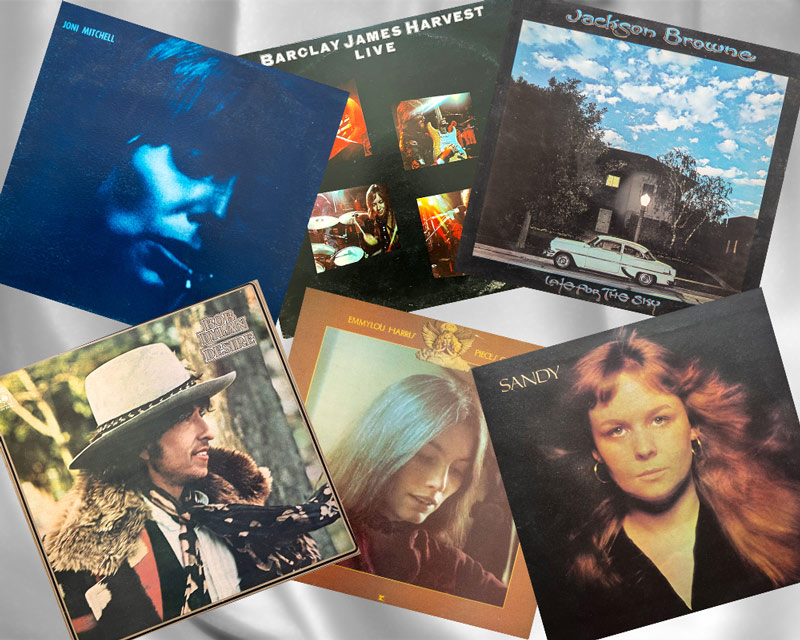

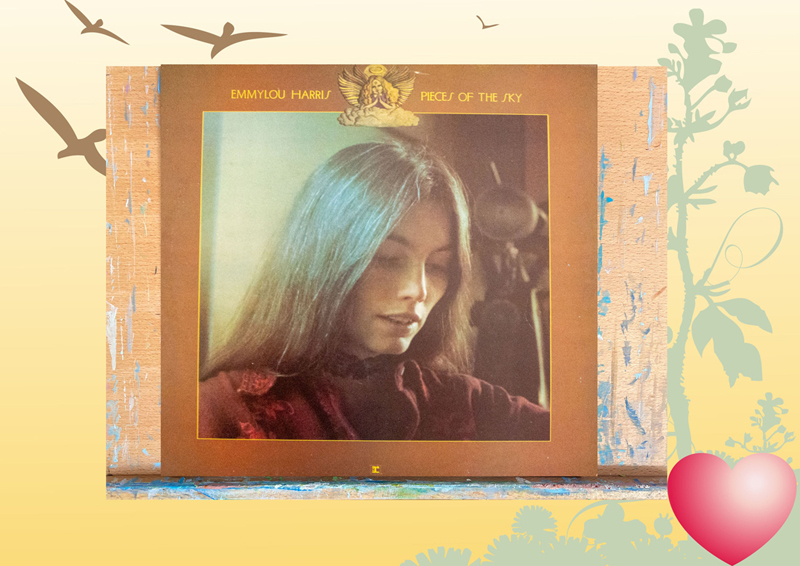 Emmylou Harris – Pieces of the Sky


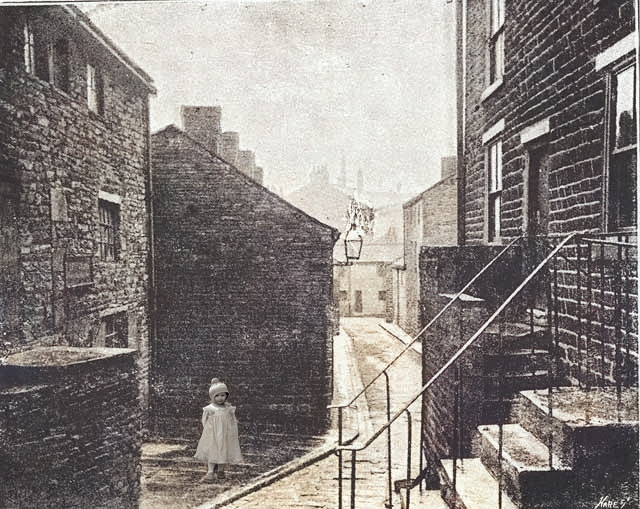
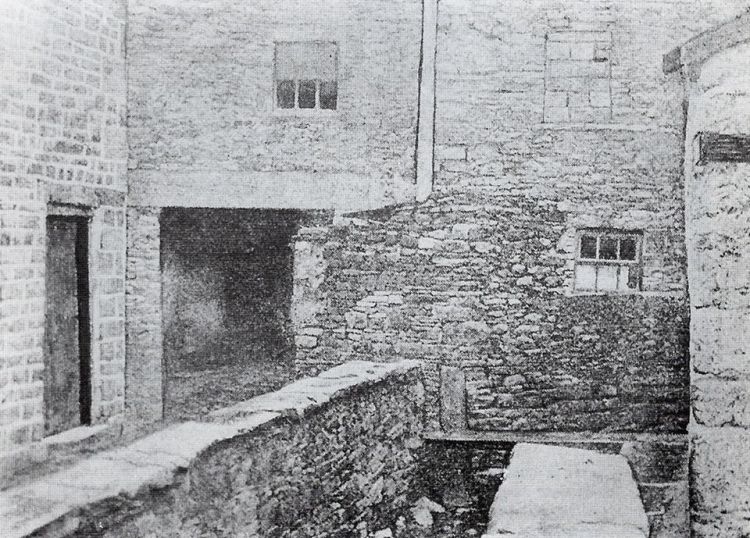
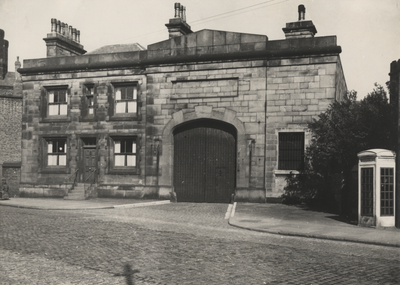

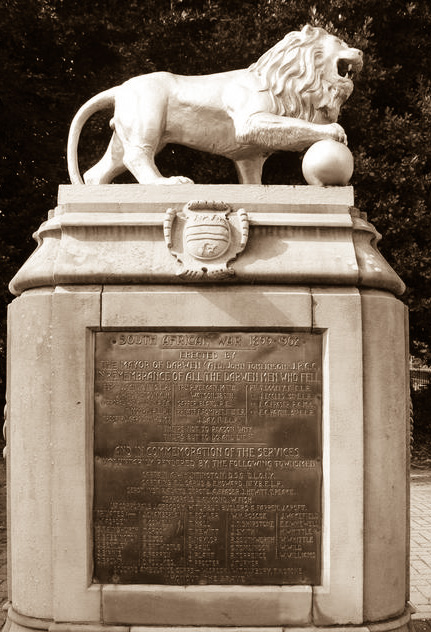




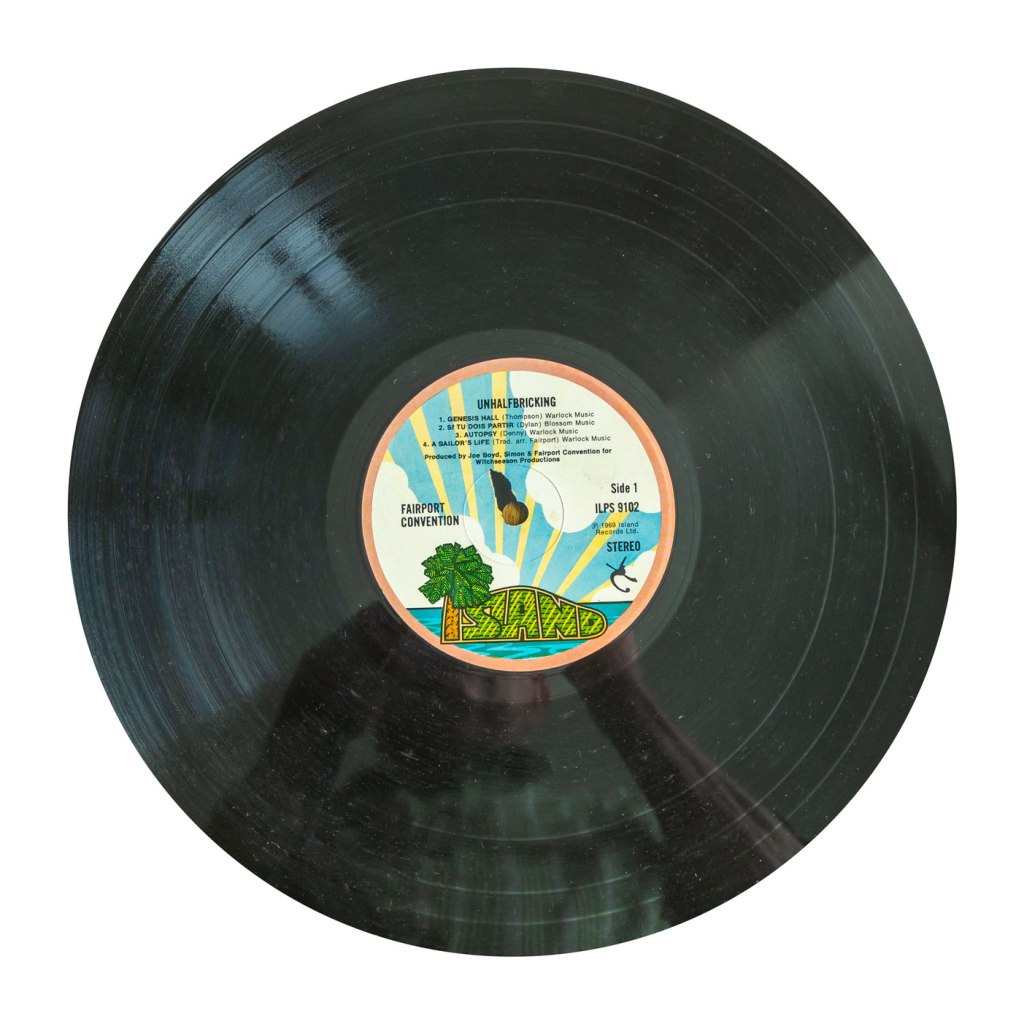

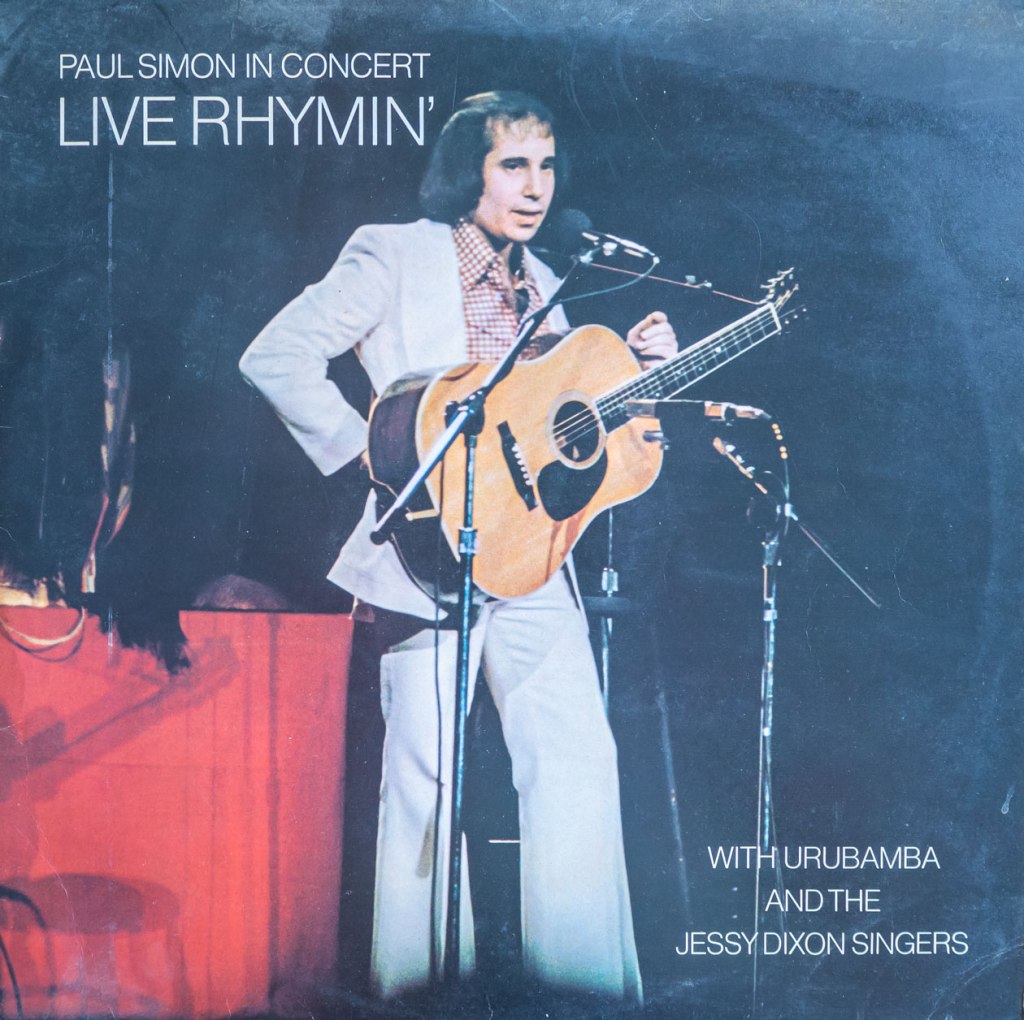


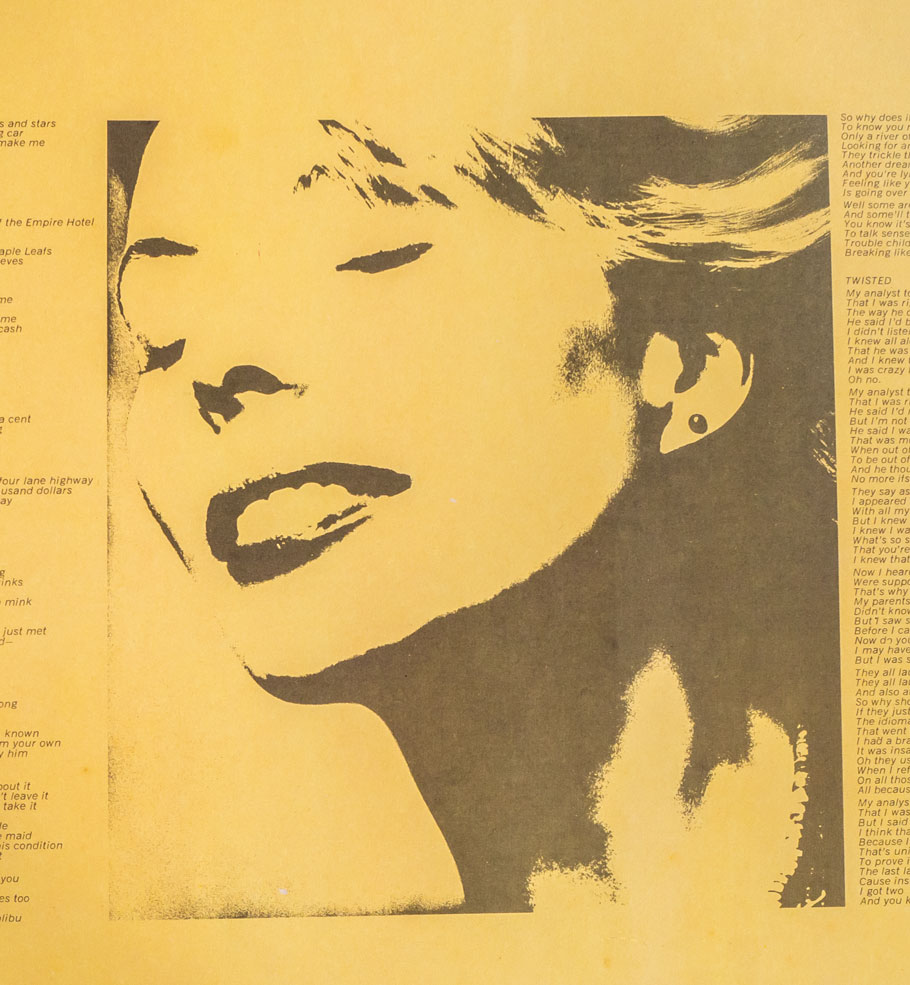


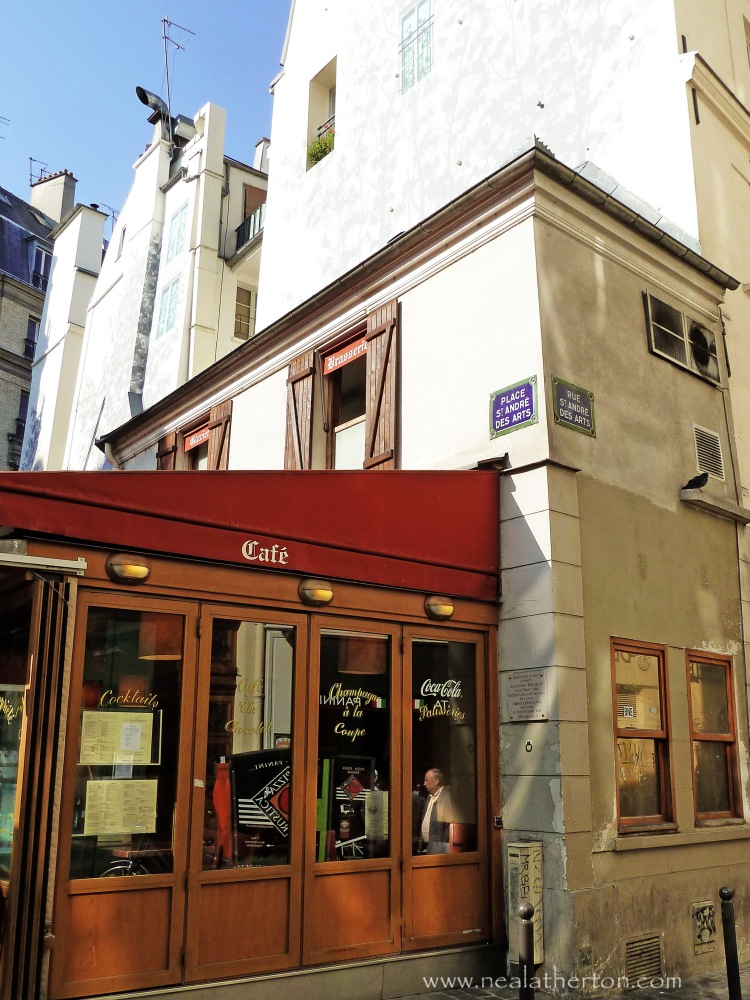




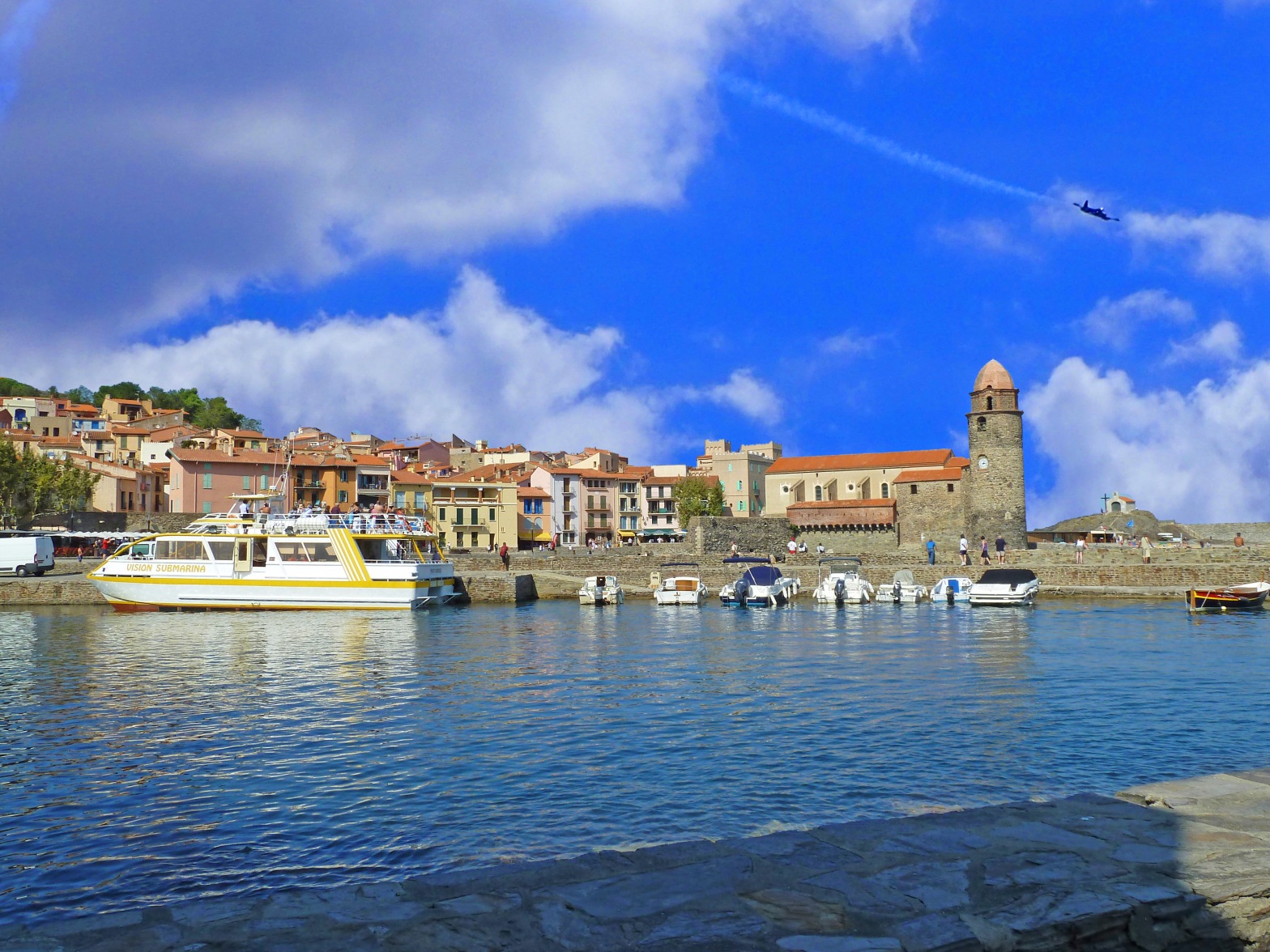
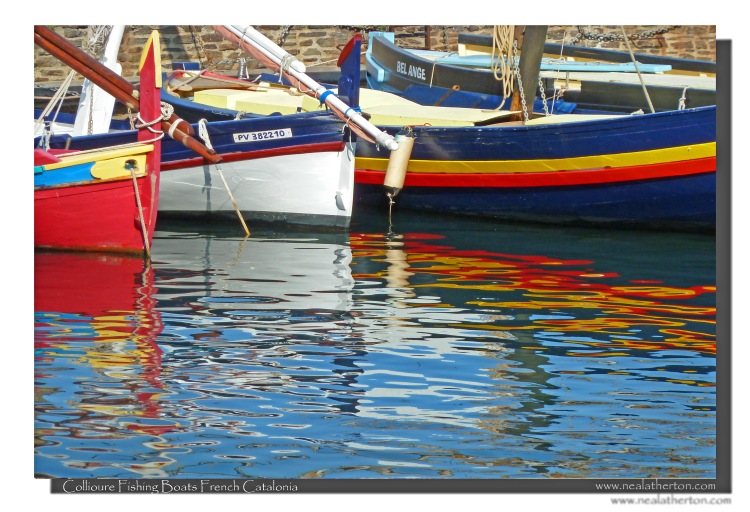
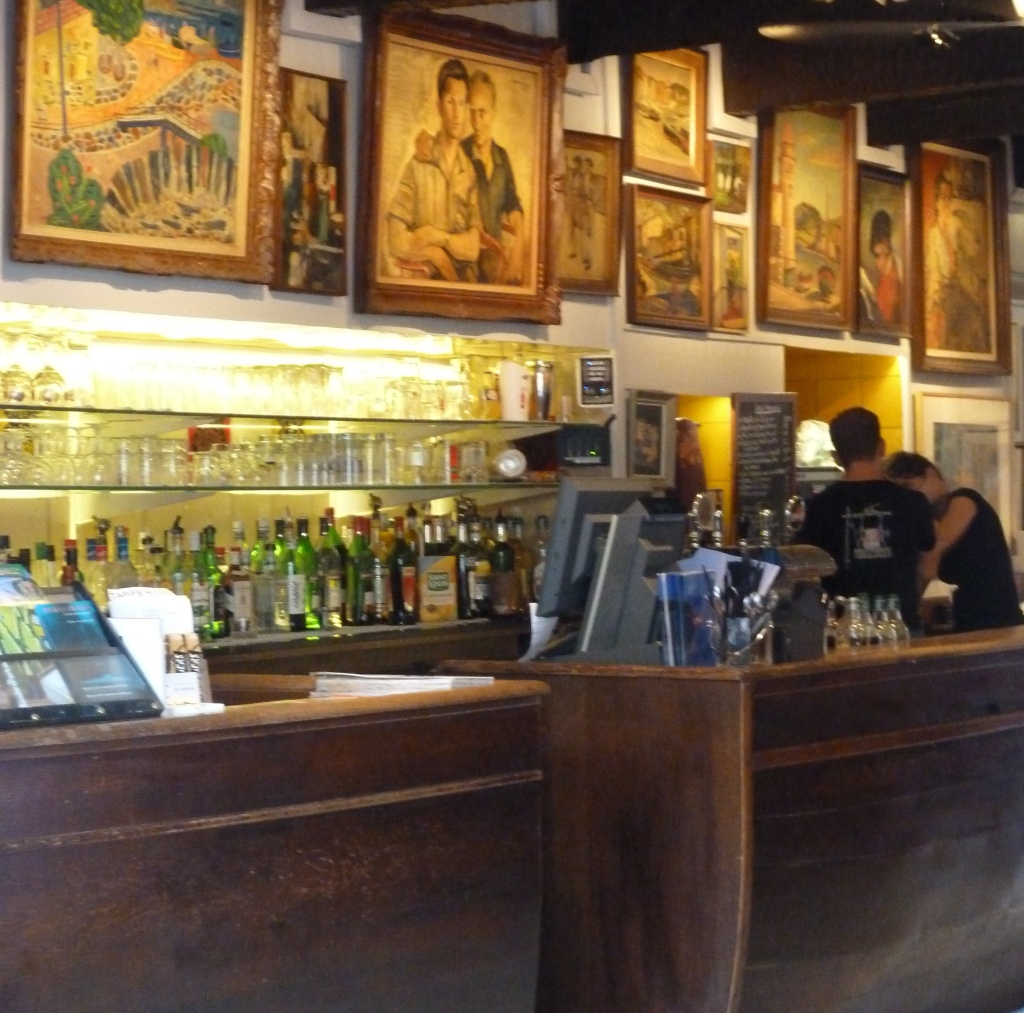
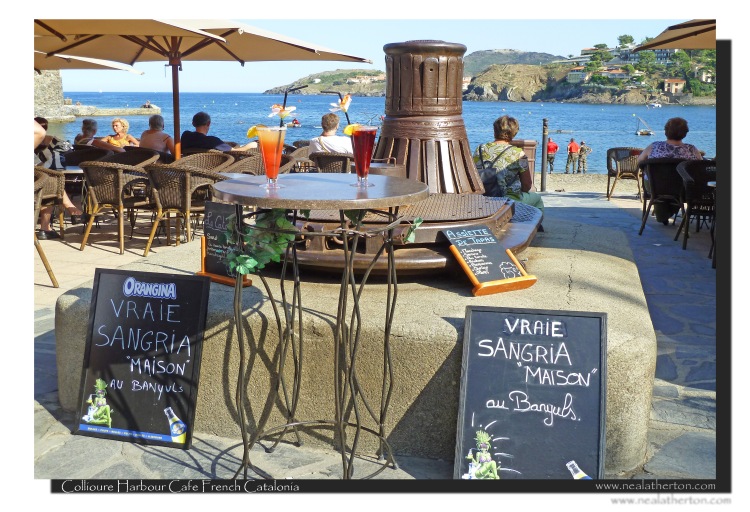
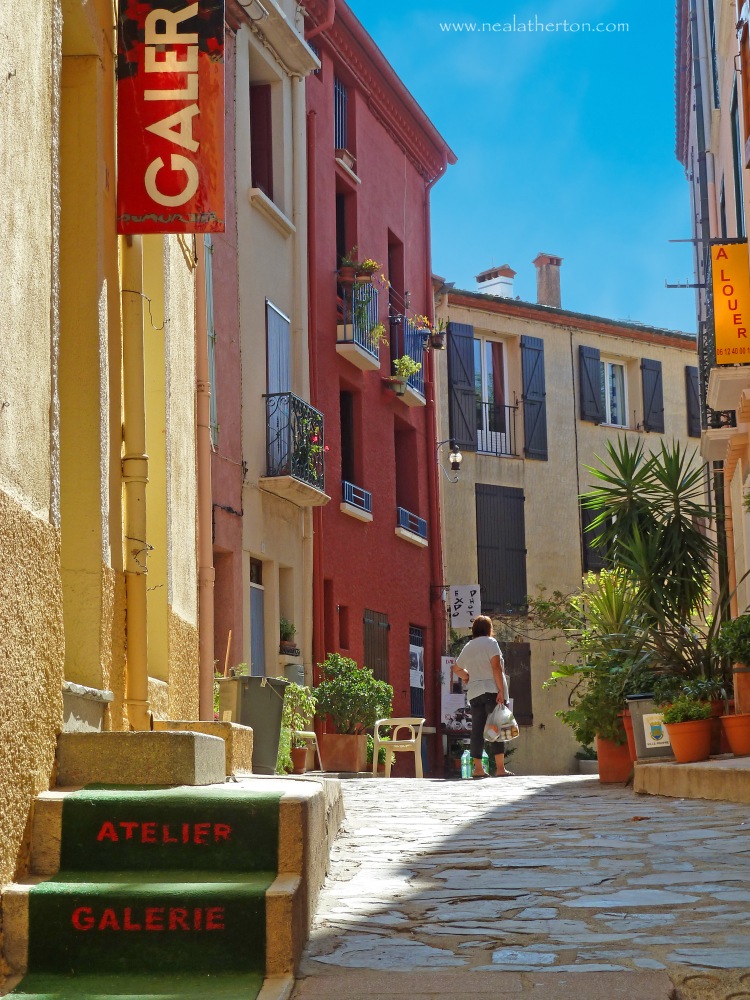
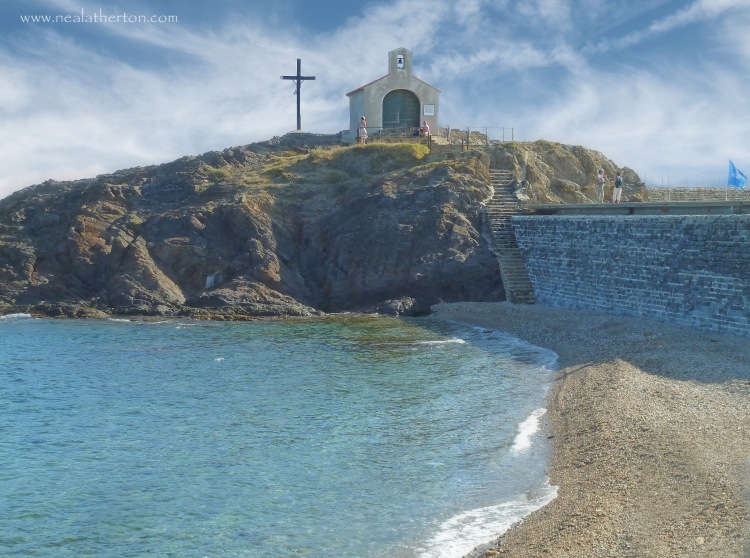
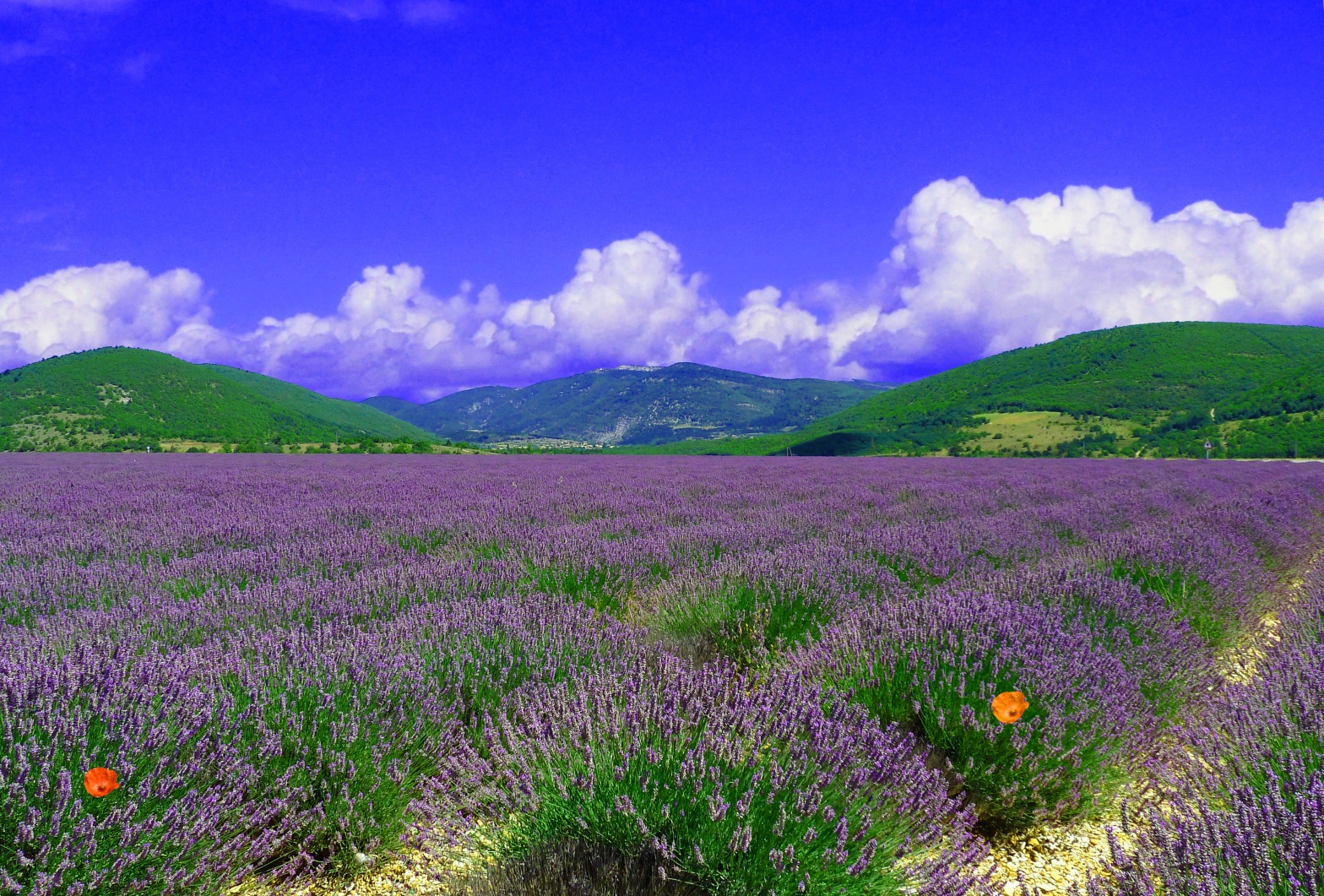


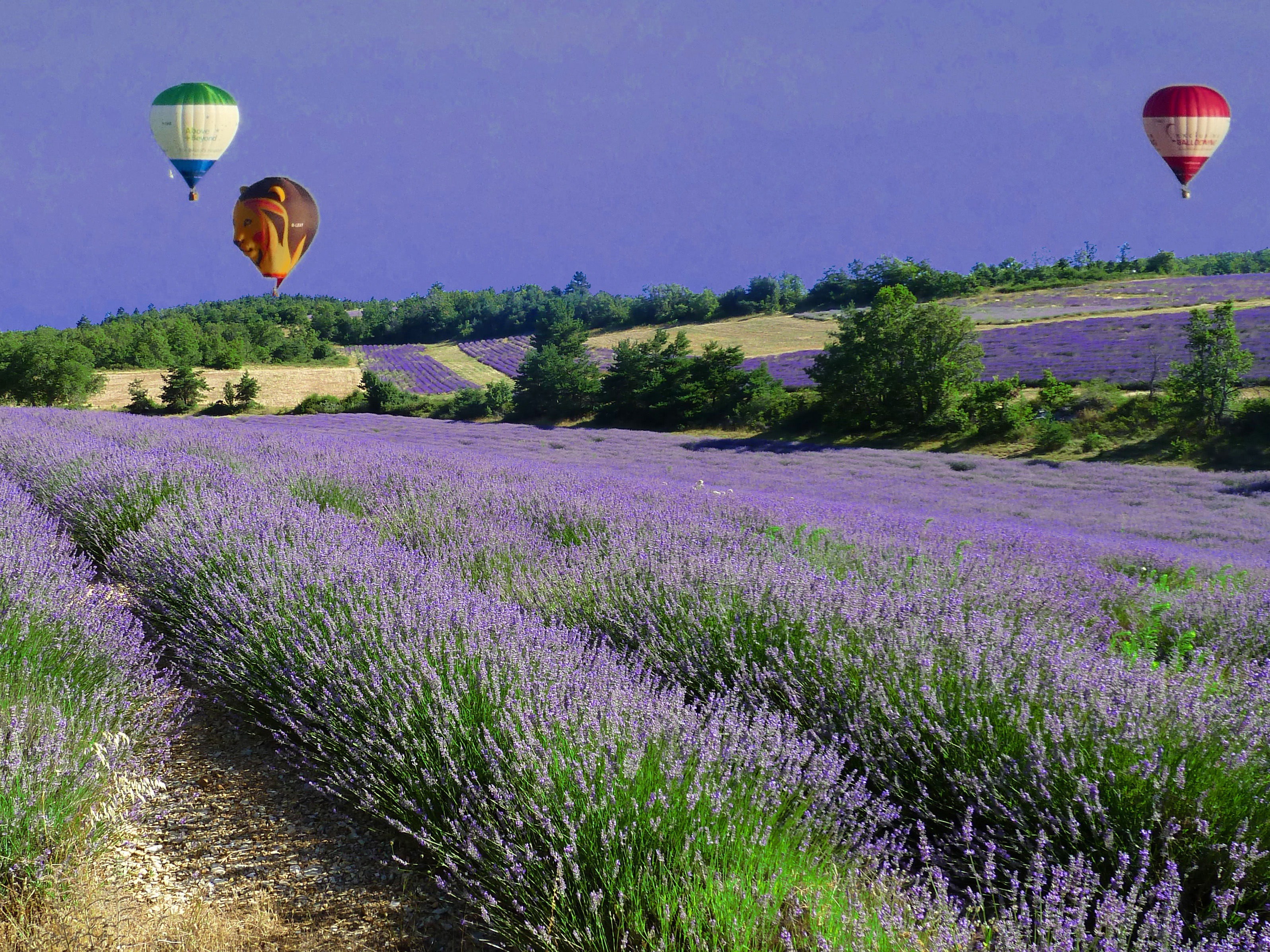
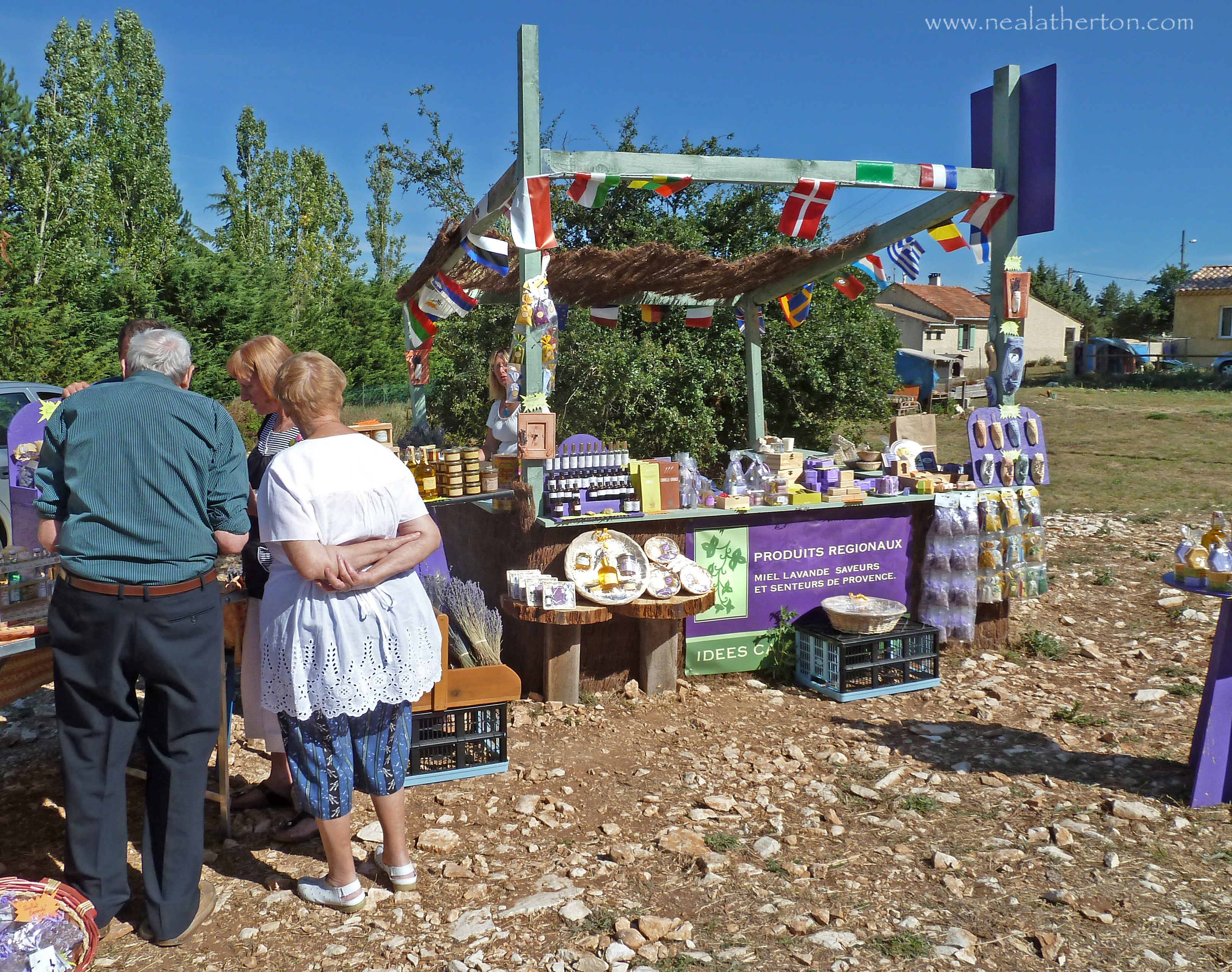


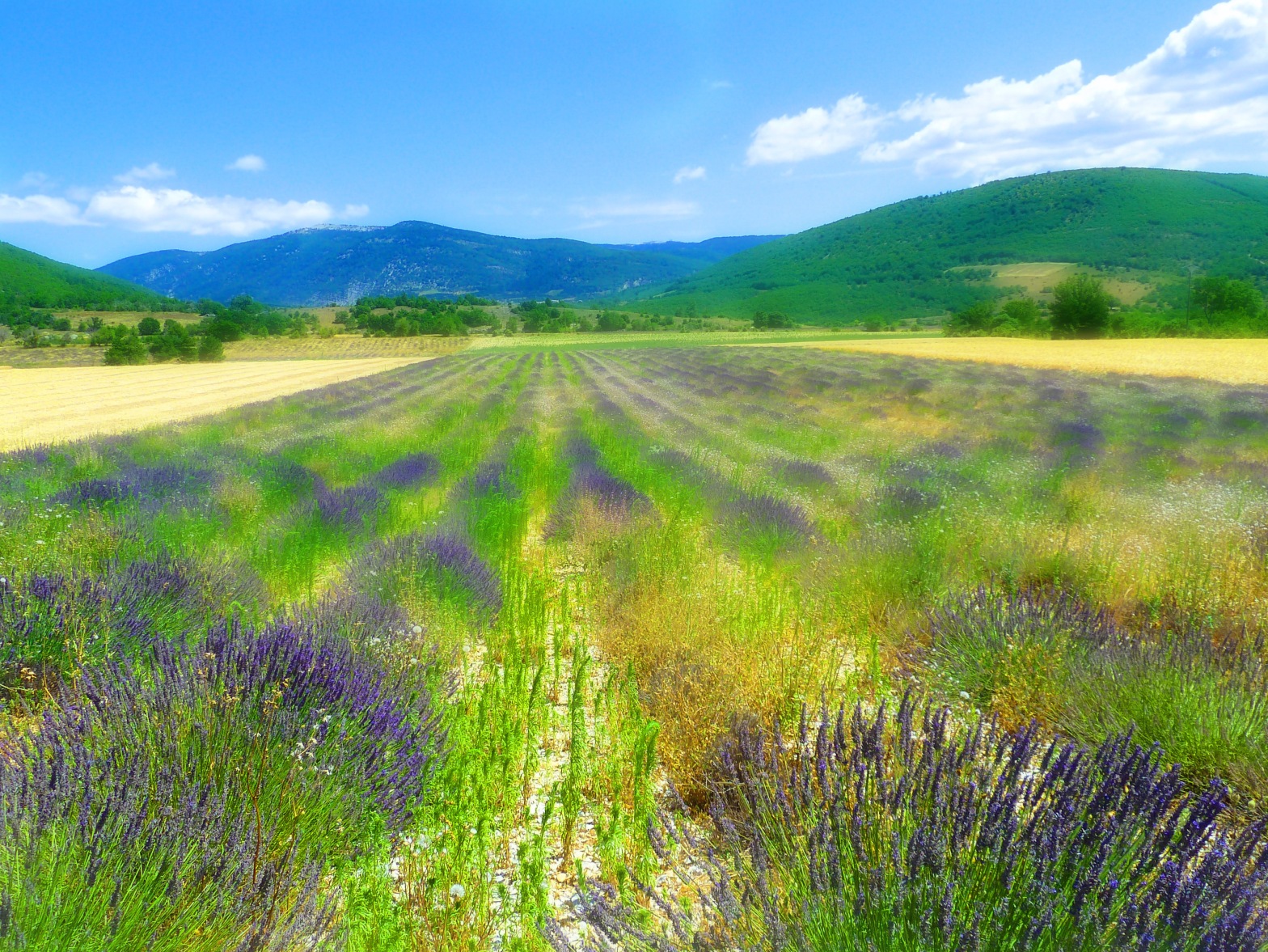



 French Travel Books - France, Paris, Provence & French Food & Wine
Leave a comment