Please Enjoy my Travel, Music & Ancestry Books on Amazon – FREE on Kindle Unlimited https://bit.ly/bookneal
This is our Family history story and I hope you enjoy the twists and turns and find inspiration to check out your family tree.
CLICK ON IMAGE TO ORDER on AMAZON or read on KINDLE
Ancestry and Genealogy are so popular today and this is an inspiring story stretching over 200 years from a military perspective.
When a bullet in the Great War actually turned out to be a life saving event and the family survived to tell this remarkable story.
It travels from England to Spain and Ireland. We start with Wellington on the Peninsular campaigns and on to South Africa and then the trenches of France. Finally the landing beaches at Salerno Italy.
Come and live through those times and experience it all set against a background of Victorian and early 20th Century England.
It is fair to say the laughs are few and far between in this story but the resilience of these people will impress you.
The ending is a surprise as coincidences and history come together with a beautiful heart warming ending.
This was a 12 year labour of love and I include a full chapter on Ancestry research with tips and mistakes to avoid. I know – I made many.
Landing on Salerno Beach Italy September 1943
The slum dwellings of Water Street Darwen – the home of my family back in Victorian times – A modern day descendant looks on
Water Street Darwen Lancashire – Note the stream running under the buildings. This caused tragedy and loss of life in Victorian times
OUT NOW on Amazon for Kindle, Kindle Unlimited, paperback & hardback
Please Enjoy my Travel, Music & Ancestry Books on Amazon – FREE on Kindle Unlimited https://bit.ly/bookneal
This chapter is from my book A DREAM OF PARIS available on Amazon
At the outset I have to make it clear that some of my best friends are American, as indeed are a good number of my wife Niamh’s extended family – the Irish get everywhere. However it seems to me that even you adventurous American tourists are complaining about the number of your compatriots populating Rue Cler in the 7th Arrondissement, a now famous street within sight of the Eiffel Tower. It is as so many of you point out – the Rick Steeves effect. So is it worth going to this area of Paris or is it devoid of a true Parisian experience?
I have to say that I like Rue Cler even though it has something of an ‘American in Paris’ theme about it. If that comes across too strongly for you then be assured there is life beyond Rue Cler in this fascinating arrondissement. I hope you don’t mind but this part of the book will veer towards reading a little more like a guide book but I think this area of Paris repays a little more exploration than seems to be given to it by many visitors. Anyway, dining is a serious business in Paris. Like anywhere that is popular with tourists Paris will always have areas that certain groups will congregate in. Montmartre may be an area where more English tourists will find accommodation. You may find that the Japanese will gather more centrally in Paris. It has to be said that Rue Cler is most certainly an American enclave just as Lourmarin in Provence is a place they love and gather. The English in Provence will head for Menerbes, the village that Peter Mayle called home in ‘A Year in Provence’. On Rue Cler you have two cafés in particular that have become American clubs in reality – Café Du Marche and Le Central. It is true that some restaurants on Rue Cler have dumbed down their menus and are providing very standard unambitious fare, photos provided for the timid visitor. The waiter you will see is languidly placing the change on the table, his eyes looking elsewhere for another victim, daring the diners to pick up the change but also making it clear that the coins should be added to, making a larger tip before leaving. There are however places to eat even on Rue Cler that can be very satisfying and authentic.
Le Roussillon is one such establishment situated at the corner of Rue Cler and Rue Grenelle and is a bistro where we enjoyed a most enjoyable lunch with attentive service. Where Rue Cler scores highly is that away from the congregated throngs around Café Du Marche there are so many authentic Parisian shops. Wine and cheese stores, vegetable and grocers shops, butchers and delicatessens and of course the regular street markets. You will really get much more out of this area however if you look beyond Rue Cler and these are a few places we have found and enjoyed over the years in this popular neighbourhood of Paris.
The very first time we stayed in this arrondissement the hotel we chose was located just behind Rue Cler on Rue Valadon at what is now Hotel Valadon Colors. It has been completely refurbished from the time of our stay and has changed in its character but is still rated very highly. Rue Valadon is a quiet street, a virtual cul-de-sac, so is an excellent choice for the area. When we stayed we had a room with an Eiffel Tower view so it is certainly a place to consider. Just at the top of the street around the corner is a most wonderful cheese store and even if you do not go inside you will find the shop window itself is worth a few moments of your time.
My interests in any arrondissement in Paris are always connected to food – finding a fine restaurant in Paris is one of the utmost joys in life. Also you may have gathered I have a great love of history and that is well catered for in this area. Recently we made what can be viewed as a slight mistake in visiting Paris in August, the very time that most Parisians leave Paris and that includes many waiters and restaurateurs. We were very limited in our dining choices and did not really want to eat at the popular spots on Rue Cler. We were staying just around the corner from Rue Cler at the Hotel de la Motte Picquet and the clue to its address is in the name. This is a lovely unpretentious three star hotel that gives excellent friendly service, clean rooms and welcoming public areas with interesting views on to the lively Avenue de la Motte Picquet. It does not however have a restaurant so it is always a case of dining out for the evening. We passed the boisterous tables and bars of the upper end of Rue Cler, giving thanks that we were not eating there. There was the thought that there appeared to be little else on offer –‘les vacances d’été’ were in full swing and the closed signs were out in profusion.
Farther along Rue Cler we reached Rue de Grenelle and going to the left you come to number 167 where there is a small Italian restaurant called Le Den. It was open and it had three tables out in the street and on a balmy evening this seemed like an oasis in a dining dessert. This super little restaurant also seems to double as a deli. It serves wonderful Italian food including pizza of course, food made with fresh seasonal ingredients. It was in total contrast to some mainly conveyer belt tourist food just round the corner on Rue Cler. We were given lovely service from the young ladies who coped smilingly as extra tables were spread out along the street to accommodate all the diners that kept on coming. You did feel a little like you were an advertisement for the restaurant as people stopped to look and admire the dishes on the tables. The raviolo especially was wonderful and I would also encourage you to try the risotto. The panna cotta was definitely the dessert to go for and the house wines are a cut above the standard you may have expected. This was a very popular place and will be more so if they get the name confusion sorted out on the awnings and shop front. I am not quite sure where Le Den comes from as a name but if you are searching for it that is the name to enter in Google. So it is a case of going early or making a reservation. We ended up on our three night trip dining here every evening and we don’t usually do that on our travels. Yes I would have to make the point that it is on a fairly busy street but it still has a great ambiance especially as the light fades and you feel that you are in an authentic Parisian neighbourhood. We found this to be a hidden gem of a restaurant in this touristy part of Paris. You can also book on Le Fork which is always a bonus.
If, unlike ourselves, you are sensible enough not to visit Paris in August when the heat is humid and sensible Parisians have abandoned the city, then you have some exceptional choices of eating venues. There are two in particular that are the epitome of classic French restaurants, in different ways as perfect a Parisian dining experience as you will find. They are also very close to one another just a short stroll from Rue Cler across Avenue Bosquet. The first one is the most charming (and petite) restaurant Le P’Tit Troquet at 28 Rue de l’Exposition, a quiet virtually car free cul-de-sac of a street. Think of going to someone’s home for a meal, a table spread modestly but attractively and you are the special guest to be fussed over and pampered. This is Le P’Tit Troquet. On the occasion we dined there we went with two friends who trusted me that I would make a memorable choice for them and they were not disappointed. We walked into the small dining space set out with a few tables, a scene that seemed to be out of a French movie, so intimate and welcoming.
The first and obvious impression we gained was that all the tables were occupied and as I had booked in advance this was a little disconcerting. The lady in charge of front of house (and it is a very small house) came over offering us a large beaming smile of welcome and led us through the tables to an even smaller room at the back of the restaurant. This room had only four small tables which were all beautifully prepared. This was exactly like someone’s dining room at home and the feeling that you were a welcomed guest was enhanced every time you had an interaction with the lady or the waiting staff – a special place indeed. The menu is classic French cuisine, beef bourguignon served temptingly en cassolette, steak, duck, monkfish, sea bass and vegetarian options. The desserts are classics with a twist, Rum baba, chocolate mi-cuit and a Crème Brulee which does not have a twist – pure classic French. The wine is expertly chosen and complimentary to the meal. The room feels as if it is unchanged from seventy years ago. A room that could double as a film set from the war years and just after. Probably in those days totally smoke filled and each table occupied with romantically involved couples. It is a quite captivating ambiance and one exploited to the full in this intoxicating restaurant by the welcoming owners. Not to mention a chef with a repertoire steeped in the fine culinary history of France and Paris. He is a craftsman producing dishes that are firmly in context with the restaurant and the atmosphere of this super little establishment. As we left that evening, my companions found it very difficult to find words that fully expressed the experience they had just savoured. We noticed for the first time a small galley type kitchen to the left – I do mean small. There was the chef and one assistant who incredibly produced this classic French feast in such a tiny space. He smiled as we peered inside, confident that all was well with the dishes he had sent out to our table. He was totally justified in that confidence as we bid him good night and stuttered our grateful thanks.
Classic but on a slightly different scale and setting is the popular La Fontaine de Mars just at the end of the same street at 129 Rue Sainte Dominique. This restaurant has entertained presidents and celebrities but is not in the least pretentious. Again the classic French theme is portrayed by the red checked tablecloths and the wood panelling around the bar and inside the restaurant. It is a restaurant that in summer becomes open plan and spills tables out onto the street. The service is warm and friendly but it is very Parisian and just as you would expect in such a restaurant very rooted in its tradition. The menu is not experimental, just straight out of the French cookery school manual. Steak of course, duck confit, coq au vin, blanquette de veau, Burgundian snails, sole meuniere, foie gras if you wish and desserts following the same tried and tested traditions. All accompanied by wine by the glass and all the traditional aperitifs and digestifs on offer. It is relatively expensive but not overwhelmingly so. If you wish the wine list does stretch to some eye watering levels and if Chateau Petrus is your desire then you will find it here at a price. On the night we dined there I had the special on the menu which was a gorgeous fresh loin of cod with a perfect aioli sauce and simply cooked turned potatoes. To follow it was that most perfect of French desserts – Iles flottantes ‘Fontaines de Mars’ and very fine it was.
Eating on a table outside and virtually on the street is not without its challenges though. On the night we were there the restaurant and surroundings were ‘entertained’ for a while by a fairly inebriated beggar who was making a nuisance of himself by going back and forth along the street hoping for a few coins to be tossed in his direction. He wasn’t aggressive but a bit loud at times and lacking in tunefulness and not really helping any romantic atmosphere that some were certainly hoping for. It all ended by the loud sirens of a police van that screeched to a halt and instantly ‘scooped’ him up into custody. At last peace reigned but as with any city Paris sadly does have its darker side and there are many unfortunate people that do not have the luxury of dining in the way we have been able to do this evening. The whole episode was a little comedic in how it was enacted and unfolded but still left you dismayed and sad that in our society there are ones reduced to this state.
From a historical or architectural standpoint you cannot avoid the fact that this area is totally dominated by one structure and that is the large tower at the end of the Champs de Mars.
Eiffel Tower Paris before a storm
Once you are at the tower and you have taken all the photos from every angle and perhaps gone across to the Trocadero and taken the shot from the vantage point of the Palais de Chaillot, a view that I feel gives the most dramatic view of the tower as you look through it down to the Ecole Militaire and Les Invalides then take a moment to find some more recent history.
A pause for thought and reflection.
If you go to Bir Hakeim Metro station which is to the right of the tower looking from the Trocadero you will find a monument to a tragic time in French history – a memorial that was only erected fairly recently. It is a statue to commemorate the appalling events of July 16/17 1942 – the “Vel d’Hiv” raid – the roundup of over 8000 Jews (Rafle du Vel’ d’Hiv) to the Vélodrome d’Hiver that stood near to this spot. The tragedy was compounded by the fact that this crime against humanity was carried out mainly by the French police and not the Germans. This was only recently fully acknowledged to be the case and remains deeply controversial in France. In slight mitigation it was also clear that a few brave police did try to give an advance warning about the action and some also allowed a very small number to make their escape from the Vélodrome but the stain on French history remains. I always find these places in Paris very poignant and I make no excuse to returning to this theme throughout my writings about Paris. I feel that you can only understand this amazing city by taking time to reflect on its past and the recent history of Paris in particular. Take a reflective moment to make that connection and remember these people and events.
Invalides courtyard Paris
The natural progression from here is back to the tower and to walk up the Champs de Mars to the Hotel des Invalides and Napoleon’s tomb. France of course still reveres Napoleon (strangely enough he inspires a good deal of respect in England) and he possibly alongside De Gaulle is the most dominant figure in French history. Of course if you are reading this sat in the sunshine and holding a glass of Dom Perignon you may want to make a case for him as well. And then there is Joan of Arc ……. Anyway back to Napoleon. Or rather another event that Les Invalides is notoriously famous for and that is the trial of Alfred Dreyfus. This Jewish army officer was erroneously and wilfully convicted of espionage and treason – another event that although occurring over 120 years ago has not disappeared from French consciousness. Admittance to Les Invalides is free of charge although you have to pay extra for viewing Napoleon’s tomb and the main area around that. Entering from the gardens on the Rue de Grenelle you make your way into the main courtyard. This is the area where Alfred Dreyfus was humiliated in front of his peers by having his sword ceremonially broken. He was then dishonourably discharged from the army prior to his barbaric incarceration in exile before being ultimately exonerated and released some years later. The British TV personality Davina McCall was featured in a ‘Who Do You Think You Are’ episode relating that she had a family connection to one of the men who fought and ultimately succeeded in proving his innocence. If you can find it online or procure a copy it is a fascinating insight into one of the most controversial events in relatively recent French history. In any case take a moment to visualize the scene in that parade ground and reflect on an innocent man in this standout case of deliberate miscarriage of justice.
Around the courtyard you will see lines of heavy cannon. It is quite a display and they date back over some 300 years or so. I can set you a small challenge. Walk around the perimeter and look at each cannon and somewhere you will find that one of them has a spelling mistake in the casting. When you find it just spare a thought for the man who cast that vast lump of iron, hoping that it just resulted in a fleeting embarrassment for him rather than him being sent into exile or worse. Unfortunately it was not too fleeting as we can still clearly see it today. At the far end of the courtyard you will find a small church or chapel. Again up to this point it is free admission. If you go inside this building you can at the far end get a sense of how Napoleon’s tomb is laid out and it gives quite a dramatic effect without actually having to go inside the tomb area itself. When you leave Les Invalides by the same route you may wish to go to the right and then right again alongside the buildings and here you will find the Rodin museum which also includes sculptures in the garden area. This is a place that is often missed by the casual tourist but Rodin is very important to the French in art history . It is worth a look if you have any interest in French art and culture. I always smile at the mention of Rodin because of that amusing scene in ‘Midnight in Paris’ where Gil argues a point about Rodin in favour of the tour guide (Carla Bruni) over the pompous Paul played by Michael Sheen.
Perhaps I can now take you back to Rue Cler via Avenue de la Motte Picquet and return to my theme of the time of the occupation of Paris. Before heading to your hotel and getting ready for a fine meal in this endlessly fascinating and rewarding arrondissement just stand and reflect in front of the Elementary School on the Rue Cler side of the road. Pause and read (in French) the black plaque on the school wall. Like most of the schools in France some young pupils were forcibly taken from this school never to return, part of the over eleven thousand children that were taken from throughout France. There is no shame in shedding a tear and you will no doubt leave the scene as you return to your hotel with a deeper relationship and understanding of Paris.
Taken from my book ‘A DREAM OF PARIS’ available on Amazon
Please Enjoy my Travel, Music & Ancestry Books on Amazon – FREE on Kindle Unlimited https://bit.ly/bookneal
Rue Sofflet in Paris close to the PanthéonShakespeare and Company bookshop in ParisPlace Dauphine taken from Restaurant Paul – famous for the scene in Midnight in Paris as the horse drawn carriage comes down the cobblesPlace Saint-André des Arts, Paris, Browsing in the Gilbert Jeune bookshopCafe Latin, corner of Rue Saint-André des Arts, Paris, – opening timeThe scene where they wait on these steps for the car was filmed here on Rue de la Montagne Ste Geneviève by the ChurchLes Deux Colombes Paris restaurant as lunchtime service winds downThe scene where Gil waits for the midnight car was filmed here on Rue de la Montagne Ste Geneviève
Please Enjoy my Travel, Music & Ancestry Books on Amazon – FREE on Kindle Unlimited https://bit.ly/bookneal
Vaison La Romaine
Vaison la Romaine – view of the old town
This excerpt is taken from my French Travel Book THYME for PROVENCE
Our first stop on our travels by car into Provence from the north, our entrance to the sun, has nearly always been the town of Vaison la Romaine. It is for that reason a location that is important to us in telling our story of travels in Provence. It is simply the gateway to Provence. We have always found the restaurants of Vaison provide a perfect lunch stop after a journey that has usually resumed in Burgundy following an overnight stop at a hotel in the heart of French wine country. On top of the fact that Vaison does provide some excellent food for the weary traveller it is a spectacularly atmospheric, beautiful ancient Roman town to visit. The clue is very much in the name of course. The Romans loved it here too, but I suspect they had to cook their own food.
Vaison is one of the very best preserved of Roman built French towns. The town is a place where you can spend many hours and still not have scratched the surface of the interest it has to offer. I do love my history. Let me first of all tell a tale of one of our first visits, a lunch stop as we entered Provence at the beginning of our holiday: Despite a fairly torturous autoroute journey from Lyon, all stop start traffic on the way, it was still only around noon when we parked the car in the large square in the modern part of Vaison. I say modern because the ‘old town’ is across the river, but today’s more modern part is where most of the Roman ruins are to be found. We were more than happy to have made such good time on the journey to get down as far as Vaison considering that we were travelling at the height of the tourist season. This location was to be our refreshment stop and it was already extremely busy.
The well preserved Roman ruins at Vaison la Romaine
We walked down past the shops and restaurants towards the ancient Roman bridge that connects the two parts of the town over the Ouveze river. This bridge was built in the first century AD and it appears on first impressions to be a simple arch construction but that does not disguise that this bridge is a truly astonishing architectural achievement. It has stayed firm even though it is in constant use right down to our day despite weathering the many dramatic floods that have swept down this valley throughout the centuries. We crossed over the bridge and of course lingered to admire the view up and down the valley from the centre of the structure, waiting our turn as people moved slowly away. The finest view of this historic bridge and its situation spanning the river and joining both sides of Vaison is to drive or walk a few hundred yards north. From this point you can take in the scene looking back towards the town. It is a spectacular sight. As you cross to the other side it is worth stopping to look at the towering war memorial now in front of you. This is extremely impressive in that it almost appears to have been carved from the solid rock face.
Walking slowly up the ancient cobbled narrow streets of the old town we searched up and down the maze of narrow passageways for a small restaurant where we had previously enjoyed a fine lunch but found it shuttered up, unusually closed at this busy time of year. It was at this tiny unnamed restaurant serving diners at just three metal tables spread out across the stone cobbles of an opening in the passageway that we had a surreal encounter with a group of American tourists the previous year. On that occasion it was peaceful and cool in this lovely, shaded spot, quiet and secluded.
Secluded peaceful cafe in the old town of Vaison la Romaine
We were just starting to enjoy a simple lunch of Niçoise salad, and a dish of lamb cutlets placed in front of me. We tried to eat this very pleasant lunch and drink our carafe of chilled local rosé wine but the heavy conversation from our fellow diners was preventing any possible enjoyment. Despite all of them heartily tucking into their lunch, a couple of them ironically enjoying a very rare steak, one of the party of Californians was recounting at great length and in precise gory detail the full technicolour facets of her recent stomach operation. I assumed that as she had initially recalled to all in earshot that it extended to a 5-hour operation she would just give the edited highlights. I also assumed that she must have been asleep during the procedure – maybe she had it videoed. She did not leave out any detail. I also assumed that the others in the party gazing at their juicy red steak would eventually change the subject. They did not. I was under no illusions that if they continued this subject any farther then I would throw up. Niamh was going ever greener as our food seemed to be looking at us like an enemy taunting us rather than a plate of tempting beauty and pleasure.
Ultimately, we had had enough.
I asked very politely if they might just possibly, please, consider changing the subject until we had eaten. I explained that we English once anesthetised are more than happy not to be informed of what occurred. As long as all goes well on the surgeon’s table there is nothing more we need to know but I appreciated they had a different take on the fascinations of surgery. They kindly agreed but I had put them out of their or should I say her stride and they spoke not a further word until I paid the bill and wandered off down the lane.
So then, back to our visit a year later.
Old Roman bridge in Vaison la Romaine Provence
As we were not particularly pressed for time, we carried on strolling around the narrow streets threading through the old town. After a while we came to a large, terraced courtyard on the route back down to the ancient bridge and this turned out to be the Hostellerie Bellfroi. It gave the impression from the ambiance at the tables to be too good to walk past. We would in any case rather eat in the old town with its extra atmosphere and views. One snag today that countered this argument was that the mistral wind was blowing hard, very hard. It turned out to be a bracing lunch on the exposed terrace. Even the wine bottle had to be ‘grounded’ such was the strength of the wind. I selfishly kept it by my foot.
The food that the restaurant served was excellent and I enjoyed the plat du jour of roast chicken with Provencal courgettes accompanied by a side dish of boulangère potatoes. Niamh had a large salad of couscous, prawns, and raisins with plenty of ‘greens’. The splendid local Vaucluse rosé was the finest of accompaniments once I could steady it to pour. Clafoutis is always one of our favourite French desserts and we cook it often at home from a Normandy recipe. So, we both decided on the apricot version that was on offer to finish a very pleasant lunch. Niamh insisted that hers was strangely ‘chicken’ flavoured. Maybe they had carried ‘Plat du jour’ a little too far with that one. Mine was absolutely the finest example of apricot flavour so we swapped over, I had the full chicken lunch. Niamh was indeed correct, it did taste of chicken, presumably warmed up TOO close to the next main course to be served. The hotel restaurant waiting staff were quite young and seemed a little diffident. I observed that on a couple of occasions they lost lunchtime custom simply because of turning parties of six or so awa. This continued until one large party took it into their own hands and showed them how easy it was to put tables together. After that they seemed to warm to their task and were pleasant and friendly, if a little inattentive.
View from the old town of Vaison la Romaine from our restaurant
As with most restaurants in France and particularly ones with a large terrace there is always scope for some excellent people watching, a skill you start to perfect after a few visits. This place certainly does not disappoint on that score. At the next table under an old gnarled shady tree, I observe a scene that is replayed so many times as you eat your way around France. It is the ageing well preserved Frenchman, greying hair still luxurious, worn long and swept back. His skin textured by the sun and Gitanes over the years but still retaining a certain Gallic attractive elegance and dressed in the finest clothes, new ones of course, complemented by a large expensive watch on his bronzed wrist. At his side, the young, very attractive girl. From the interplay between them she is definitely not his daughter or granddaughter it must be said. She is hanging onto his every fascinating word and while he expounds his philosophy on life and love, he desires that his iPhone does not offer up a call from his wife.
Overall, it was a fine tasty lunch in a lovely courtyard with a great view from the terrace back over to the other side of the river. It is too early in our trip to make too many superlatives in our admiration regarding views. As the week progresses there will be some stunning ones to come that are truly breath-taking. We will find many of these away from the main tourist ‘must see’ sights. We will eat often over the coming years in Vaison on our driving tours around Provence.
So then, other than food what has Vaison to recommend it to the tourist? Let us see.
A peaceful corner of Vaison la Romaine
The old town offers the most delightful views either back across the river to the old town or looking in both directions up and down the valley. As you gain height in the old town to the very top the views increase in splendour. The actual top is quite rocky and a bit of a disappointment but at least it has not been turned into a tacky tourist place. As we near the top we hear the strains of an unusual stringed instrument. This zither like instrument is being played by the most bizarre musician, a middle-aged man who has the appearance of a Biblical shepherd, enhanced by his long hair that I cannot imagine is his own. It looks like it started life on the back of a wet sheep. This long-matted hair (wig) is extraordinary. We leave him to his small crowd of admirers and retrace our steps as the piercing high notes fade into the distance.
The buildings on this side of town are old and well maintained with many bed and breakfast establishments and gites. Other houses are still occupied by local people, and it is this mix that makes it such an interesting place to stroll. The unexpected is around every corner, an elegant hotel with diners on the terrace and then beyond that the washing line of the local lady resident. It is up in the more modern half of Vaison that you will find the Roman ruins. They are ruins of course but are so well preserved that you need to engage very little imagination to visualise the town as it would have been laid out in Roman times. There is an admission charge for entry into the two main sites. Although, particularly with the large section of the Roman town that is near the main square and leading over to the Cathedral, you can walk around the perimeter and get a great free view looking down over the grid of ancient streets.
Some buildings are visually so obvious in their reason for having been constructed, the most amusing one is the large square room with solid stone benches around all the walls. These have circular holes cut into them at regular intervals and it needs no imagination to grasp that these were the Roman equivalent of the toilet pods on today’s French streets. To be honest some of the toilets on the autoroute and in some rural cafes have not progressed very far in technological terms from these splendid practical examples from Roman times. The Romans clearly were a very convivial bunch of people, shame they did not have a newspaper or a book to read. I tend to believe that this was the point where they took conviviality a touch too far. I wonder if they tried this on the English when they crossed the channel – it is cold up north.
Toilet break in the Roman town of Vaison la Romaine
If you carry on walking around the perimeter of these remarkable ruins, you will come to the 11th Century Cathédrale Notre-Dame-de-Nazareth de Vaison. If you look closely at the visible foundations and lower walls of the cathedral you will see the reason as to why the Roman buildings are not as complete as they might have been. Very obviously when the Romans left Provence the local people used large quantities of pre-shaped Roman stone for the cathedral. Market day here in Vaison is on Tuesday morning as stipulated by order of Pope Clement VII in 1532. Vaison market is one of the largest in the region with over four hundred traders setting up stalls and providing the most heady and delightful aromas of Provence. A great market but be warned that it is always very busy, and you may have to abandon your vehicle some distance from the centre of town and walk in. Get there early.
Roman arch in the ancient Roman ruins at Vaison la Romaine
Yes, initially for us Vaison was merely a lunch stop. Over the years we have come to visit the town for what it can offer the inquisitive visitor who likes his tourism supplied with a long lazy lunch coupled with great historical view.
Please Enjoy my Travel, Music & Ancestry Books on Amazon – FREE on Kindle Unlimited https://bit.ly/bookneal
Please Enjoy my Travel, Music & Ancestry Books on Amazon – FREE on Kindle Unlimited https://bit.ly/bookneal
Sandy Denny – Sandy
Sandy Denny’s solo albums can frustrate to a degree, as does her work with Fotheringay. There is this sense that others are adding too much of their ideas to a project rather than Sandy being allowed to own the work. Maybe thats why I love her gorgeous demos so much. Sometimes it is the song choice being patchy, it can be over-blown arrangements or just too many musical influences on one album. With Fotheringay the musicians are so good, so used to the rhythm of a ‘Fairport’ type session, they sometimes give the feeling that it is just an easy session in the studio, a day at the office for them. But in all of Sandy’s albums, solo or with Fairport, there are absolute worldclass gems. She is THE English female vocalist of the 20th Century – I do not engage in arguments over that one. If I was encouraging someone coming new to her work, then I would certainly suggest going to a compilation of which there are several worthy ones. I don’t own a vinyl compilation so I must as I write about my vinyl collection go to my favourite solo album.
‘Sandy’ is her most fulfilled album. On this album it comes together, fine songs, cover versions complimenting her own writing. Fabulous musicians that do not overpower her glorious vocals. That is highlighted by some gorgeous contributions from Richard Thompson on guitar & mandolin, so sympathetic to Sandy’s writing and vocals. Her voice is at the peak of its powers – tender with also perfectly directed power. Produced by her partner Trevor Lucas, he applies just the right amount of direction. Despite their often-tumultuous relationship, at this point they are working in complete unison.
This album should have been the one that took her through the crtitical aclaim barrier into superstardom. It had to be, as although she had been producing fine songs and performances, she was just treading water as regards popular acclamation. She was the darling of the critics but that does not pay the wages. She was certainly, in her own mind, running out of time. While not quite the last chance saloon this album had high expectations surrounding it.
The intent of the album is there from the cover alone. A photo by David Bailey of the beautiful Sandy. From all accounts the session with him was torturous and there seems to be a hint of a look that says ‘just take the picture and be done with it’ about the cover shot. It is still a gorgeous photo. Sandy writes down all the lyrics herself in the centre fold. It is a professional package and designed to impress – it says she has arrived in the mainstream. But had she?
Inner sleeve lyrics written by Sandy Denny
If she had not, then this was certainly a fine attempt at ‘making it’. If you need any proof of her status as a great vocalist, then the stunning acapella ‘Quiet Joys of Brotherhood’ showcases her talent. Dave Swarbrick coming in at the end with his haunting violin solo certainly the icing on the cake. ‘Listen Listen’ and ‘The Lady’ show her remarkable range. On ‘Listen’ she effortlessly soars and swoops around the complex melody. ‘The Lady’ has become her title since her death. Mention ‘The Lady’ to anyone of a certain age who loves this era and music then it will be translated into Sandy Denny. On the track itself she is tender and sings a delightful knowing vocal around some simple but atmospheric piano work and sympathetic arrangement. It sounds autobiographical now from this distance – and sad.
On ‘It Suits me Well’ she goes into a young lady poor wayfaring traveller mode, her voice going into character. It is a remarkable piece of contemporary ‘traditional’ folk song writing and the vocal another example of her diverse vocal range.
The cover of Dylan’s ‘Tomorrow is a Long Time’ sits perfectly on the album and dare I say that it is better than the original.
‘Bushes and Briars’ conjures up an Englishness that she returns to again and again in her writing. She seems on this and the whole album to be completely at ease with her talent. She sounds confident and that must be down to a large degree to Lucas’s sympathetic production. She does not always exude this confidence and arguably I feel she never really would again.
Sandy Denny rear album sleeve of Snady
It is a wonderful album. It should have been the one that made her a national treasure. Sadly, it did not even chart despite some generous radio play support. It is one of life’s great conundrums – Why is Sandy Denny so revered today over forty years after her death but still so little known in most circles? A lot of this is down to her not keeping to a fixed path long enough for people to discover what she was all about. The variety of styles and song choices was often just too much for a single album. She lacked full confidence in her talents and was consistently unsettled in her personal life.
The album was not a success. Her follow up which was not long in coming was not as good, not without merit, but it never stood a chance. Her solo work became too over blown in production and her song choice was not as good as on ‘Sandy’ despite some lasting and much loved gems of her own song writing. She re-joined Fairport Convention for their ‘last chance saloon’ album. It should have been a triumph but again the song writing was not as strong as it needed to be, the dynamics of the previous band had been lost. The reunion was short lived. Sandy Denny spiralled into a dark place, her drinking worsened and only one more album came before her tragic death in 1978. Lucas produced her final album ‘Rendezvous’ but their relationship had deteriorated dreadfully and this almost ‘pop’ production did the songs no favours. Looking back now some of her songs on ‘Rendezvous’ are amongst her finest works and much loved. There were also some inexplicable song choices on the album. Sandy died a few months later. I still vividly recall popping out from work to collect my Melody Maker at the newsagents only to see the headine ‘Sandy Denny Dead.’ Work or conversation were hard to accomplish for the rest of that day, thoughts elsewhere of loss and what should have been. I never saw her live in concert having been thwarted in my attempts, something I truly regret. But, we have a legacy. It is a relatively small body of work compared to most artists.
But it does show that she was indeed ‘The Lady’ – the finest female talent England produced.
England in 1974 was a country in crisis, politically and socially. Strikes, civil unrest, three-day weeks, power cuts, a decaying infrastructure, were troubling many. Saturday September 14th did not seem to be a day where any of that was noticed – at least not by me. Historians look back on this time as something of a dark age (excuse the pun) but to a nineteen year old at the time everything seemed fine, even what must have been a shabby Inter City train from the North seemed ok to me. Even the crumbling Empire relic that Wembley Stadium was becoming seemed impressive that day.
This day was the day of the largest stadium concert up until then, headed by Crosby, Stills, Nash & Young but by no means dwarfed by them were Joni Mitchell and Dylan’s trusted collaborators The Band.
Arriving at the twin towers we could hear Jessie Colin Young on stage but as he had been put on earlier than scheduled and it took some time to get into the stadium, we missed seeing him. As we walked into the cavernous space of Wembley to find a seat the bright summery tones of the Eagles ‘Take It Easy’ were being belted out over the sound system. All seemed right with the world and the song captured the mood of what was a glorious late summers day.
The sad passing of Robbie Robertson and Garth Hudson means the lineup of The Band have all left the stage. A generation, my generation, is passing on. Robbie and The Band were musicians I admired as much as anyone. Like many people my introduction to them was via their collaborations with Dylan and how they shaped his sound and influenced so many of the musicians to follow. I so looked forward to their set at Wembley. My recollections here of The Band, Joni and CSNY are nearly fifty years in reflection, but I don’t feel my views have changed over the years, so this is how I saw the day and the astonishing array of talent served up to us on that remarkable day.
The Band in a photo taken from the Wembley concert programme
The Band were a major disappointment. I appreciated they were performing of the back of what must have been a heavy, stressful tour of the US with Dylan who took them on his reappearance before his adoring public. There was though to my young untrained eye something wrong with them this day. Robbie Robertson was leading from the front as usual but seemed preoccupied and in constant dialogue with others on stage. They were hesitant between numbers and the sound was not as seamlessly together as they were on record. Even the adaptable Dylan might have struggled if they had backed him up in this manner. It was only years later when various accounts of this weekend were written that the story of this performance came to light.
Leaving aside that members of the band had seemingly had a late night to say the least prior to the concert, it was related later that one band member was barely functioning, and the hesitation and consultations were because they were winging it on stage, desperately trying to cover for him as they performed as a virtual four piece. Richard Manuel was seemingly not in any condition to perform and add to the usually harmonious performance expected of The Band. The concern was that they could only carry this for so long and indeed the set was cut short. At the time I did not appreciate anything so dramatic was going on, simply puzzled that they were so disappointing – it was sad. At least I saw them, Robbie Robertson led the line as best he could, I enjoyed seeing him in the flesh with his guitar sounding as gorgeous as ever. They were close to the end, ‘The Last Waltz’ was being readied, on this performance it was clear the road had indeed taken its toll.
The Band setlist:
Hard Times the Slop
Just Another Whistle Stop
Stage Fright
The Weight
The Shape I’m In
Loving You Is Sweeter Than Ever
The Night They Drove Old Dixie Down
Across the Great Divide
Endless Highway
Smoke Signal
I Shall Be Released
The W.S. Walcott Medicine Show
Mystery Train
The Genetic Method
Chest Fever
Up on Cripple Creek
Joni Mitchell as photographed in the Wembley programme
Joni came next and such a contrast. She was magnificent. Looking all Parisian casual chic heading the band with dynamic confidence. This was a perfect setting for her. Tom Scott and the LA Express were tight, professional musicians who may have intimidated a lesser talent trying to perform in front of them. They backed her to perfection, but Joni was the director, the female band leader dominating the front of the stage. Her latest album ‘Court & Spark’ formed the backbone of her set and was just the right selection of songs for such a day as this.
Opening with ‘Free Man in Paris’ soaring around the famous old stadium, she went from strength to strength, confidence oozing from every note she sang. She even carried off ‘For Free’, as incongruous as it was in this setting – no one was playing for free here to this 80,000 crowd. Tom Scott and the LA Express added that summer jazz vibe that her set needed, with such complimentary arrangements you would have though they had been all a band together for years. Looking back at the set list after all these years you could easily put this together on Spotify (other streaming services are available thankfully) and call it your greatest hits list for Joni – ‘A Case of You’ was the glaring omission but I cannot quibble. The encore was the Annie Ross song ‘Twisted’. With a nice touch she brought Annie Ross on stage. An electrifying set came to a conclusion, and she was gone. I never saw her in concert again but what joy to have seen her give such a magnificent performance – unforgettable.
Joni Mitchell setlist:
Free Man in Paris
You Turn Me On, I’m a Radio
Woodstock
Big Yellow Taxi
Rainy Night House
The Last Time I Saw Richard
This Flight Tonight
Raised on Robbery
Same Situation
People’s Parties
Blue
All I Want
Help Me
For Free
Carey
The Last Time I Saw Richard
Twisted
So, to arguably the main reason for being here – Crosby, Stills, Nash AND Young. This was the first time I had seen Neil Young and I have to confess he was along with Joni the main reason I had made the trip from Lancashire. A lot went on this day, however two things stand out, still in full Technicolor after all these years. We were sat in line with the wide walkway that led to the side of the stage and come showtime what can only be described as a tribe of musicians, wives, girlfriends, children, agents, corporate hangers on, slowly moved along to the stage with CSNY in amongst them. I remember the scene well, but my abiding memory is of this one person standing out in this crowd as it made its way to the stage – Neil Young. Of all the scores of people he was the only one that your eye focused on. On stage it was even more apparent that only one person was dominating this show and he stalked the stage as if he was playing a solo gig.
Photo of CSNY taken earlier in their 1974 tour
That I suppose is the problem with this band, much as I loved them at the time. Young was dominant, you couldn’t take your eyes off him and when he was truly centre stage it was obvious his songs and delivery were on another level. I appreciate some reviews say that the four of them as a unit were glorious, irresistible on this Wembley stage, but I didn’t see it like that. A personal reflection for sure but I have always seen it that way. There were moment of genuine stunning collaboration – ‘Suite Judy Blue Eyes’ for sure, ‘Ohio’ was the peak of their togetherness. A song that was probably one of the fastest Young had ever written still packed an emotional punch that saw the four of them all in line and unison belting out a message they all clearly still believed in. The light-show came to the fore on this to add a stunning dimension to a super charged performance. Young’s ‘Helpless’ was another occasion where the individual elements all gelled beautifully and with Joni Mitchell coming on to add harmony this was a magic moment.
CSNY were all superb musicians in their own right but it was always going to be a night of some musicians are equal, but some are more equal than others. There was always a tension in the group dynamic, each one or in the case of Crosby & Nash the two of them, needing their moment in the spotlight. In reality, before such a large crowd only Neil Young could genuinely pull this off. Crosby and Nash were lost in such a large space and Stephen Stills, well he was just trying too hard. The moments he shared with Neil Young in dualling guitars were exhilarating but the need to win the dual meant neither knew when to stop. Their competitiveness and egos would cause a major split two years later on their Long May You Run tour. Tonight, it was tension driven but at least they stayed on the same stage to the end. I saw Crosby & Nash a couple of years later at Manchester Free Trade Hall and they gave a wonderful performance together, two friends bouncing amicable off each other in a warm, good natured evening of harmonious music and gentle songs. That was the perfect environment for them – Wembley was just too large and impersonal.
The highlights before the successful finale came when Neil Young went centre stage. ‘Traces’ was an unrecorded song that gripped the audience. ‘Pushed it over the End’ came before the closing harmonious finale. Remarkably a song that is legendary for him never releasing it, although a version from this tour and a later collaboration are now on stream. Classic Young with a band, driving them on but always out in front and the focus of attention. Like ‘Cortez the Killer’ it build up with a long intro until Young inserts the narrative building to a simple, effective chorus. A device he uses often, but why not when it is so captivating.
Unquestionably the highlight of the evening was when he played ‘Don’t be Denied’. It was so breathtaking that you almost felt it was time to go home, that was the peak. A number one song for many Young afficionados, it really packed a punch. Young fires out the repeated line ‘Don’t be Denied’ with venom and feeling, with the gorgeous powerful sound of his Gretsch White Falcon highlighting the peaks of this song. It rocked you back in your seat and for the audience on the hallowed turf it must have been like being caught in a wind tunnel. Young was not to be denied this night.
The four of them ended on an extraordinary high – together. You felt that this was in some ways the end, every last ounce of energy and goodwill was pouring out of them. ‘Carry on’ maybe carried on too long but a powerful statement nonetheless. ‘Ohio’ perfectly wrapping up the day and it would have been clear to them on stage that it was in fact the end of their best days of collaboration. It was certainly clear to Neil Young, who headed straight off on a European road trip, that his road was solo and with Crazy Horse. He added a lot to CSNY but he would have too many diverse ideas to stay with the confines of the needs of others. It was a great journey while it lasted though.
So, a mad dash across London to reach a dark and run down Euston station and our train to the North. It was a grubby, tired train but who cared. It was all we knew back then, nothing could dampen the excitement of this day.
Please Enjoy my Travel, Music & Ancestry Books on Amazon – FREE on Kindle Unlimited https://bit.ly/bookneal
Front cover of my well worn copy of Prisoner in Disguise
Linda Ronstadt – Prisoner in Disguise
Linda Ronstadt divided opinion back in those days when your musical tastes seemed to be fair game for everyone’s scrutiny. Not that I paid much attention to what my peers thought of my musical tastes. I was well away from the mainstream for the most part. Mentioning Fairport Convention as being my favourite band would nearly always result in ‘Who?’ – or if they really wanted to turn the knife ; ‘Why?’. Even now all these years later it can be difficult to explain your tastes in music unless you can produce a Lionel Richie, Elton John or Diana Ross from your back catalogue. Just a few weeks ago I was chatting music with a youngish friend, one old enough to have known better though. He mentioned he had seen Take That at Wembley Stadium, so I told him I had seen concerts there, the first being Crosby, Stills, Nash & Young in 1974.
He looked totally bemused.
‘Yes. CSNY’
Total blank expression.
I just said that they had been massive in the day, back in Victorian times.
I digress. Linda Ronstadt met with some resistance among the clever ones who thought they drove the musical thinking of their peers.
‘Just a Rock Chick, too pretty to take seriously’.
‘Doesn’t write her songs’.
‘Good background music’.
Amongst other objections.
Now the first one was taken seriously by some. My brother for one. In those days of sharing bedrooms, I kept the ‘Prisoner in Disguise’ vinyl, but the cover was pinned next to his bed. He never played the record. OK, she was undoubtably a contender for the most beautiful woman on the planet but please what about the music?
The beautiful rear cover of the Prisoner in Disguise album that adorned my brothers bedroom wall
‘Prisoner in Disguise’ is my favourite Linda Ronstadt album. Every one of the ‘covers’ on here can lay claim to being better than the original. Her voice is so multi layered on this, betraying emotion so deep you feel she owns these songs, you can be persuaded that she did in fact write them. The song selection is perfection. It is of the time. That L.A., Eagles, Southern California vibe particulary contributed to by J D Souther is stamped right through this with a tight, multi-talented band of Who’s Who of L.A. musicians. Because she was so admired by these contemporaries, and loved, the whole album is one of harmony and joy, it feels like they got great pleasure from the collaboration. Check out the gorgeous tender backing vocals of J D Souther on the ‘Prisoner in Disguise’ track. She chooses some beautiful songs on here.
Neil Young’s ‘Love is a Rose’ was a track unrecorded by him at the time. She joyously romps through this short track to set up the album perfectly. Although a song that Young probably composed before breakfast one morning it still hits that opening spot so well.
She continues this theme of setting you up for the meat of the record by elevating James Taylor’s ‘Hey Mister, That’s me up on the Jukebox’ to a much higher level than the original.
Tempting us on with another up-tempo number with Lowell George’s ‘Roll um Easy’ she had us on a cliff edge of expectation. George must have been happy with this superb performance of his song as he plays on it himself.
Inside cover of Linda Ronstadt 1975 album Prisoner in Disguise
Now we are really cooking with gas as they used to say back then. Smokey Robinson’s ‘Tracks of my Tears’ comes next, as the mood changes. What a cover version this is. Those tears are real – Linda is spilling them on to the vinyl. I love the original of this song, but this version is something else entirely. It is so moving in the hands of a female voice but what a voice. Sweeping in and out of the various emotions of the lyric, Ronstadt gives one of her finest performances. So convincing is it that you are struggling to see how she recorded this, having to control the emotions. Totally credible and compelling. She wrote this surely from experience – but no, it is a cover.
The album is called ‘Prisoner in Disguise’ and the title track coming next is arguably the standout one on the album. Gorgeous, beautiful, stunning – where is my thesaurus when I need it. Ronstadt has romantic history with J.D. Souther and that is so believable on their exquisite harmonies. They complement to perfection but also are so crisp that you can concentrate on one or the other to feel the emotion of the individual. One of my favourite tracks of all time and a go-to performance if you need to convince anyone that she has few peers in song interpretation. J D Souther had such sensitivity to how he should harmonize with her and lyrically he clearly writes with a love of not just her voice but her person.
The Holland – Dozier – Holland track ‘Heatwave’ gives her chance to regroup before laying more emotion on the vinyl. Not a filler as such but gives us chance to dry the eyes.
Off we go again. ‘Many Rivers to Cross’ by Jimmy Cliff is a superb song by him. However, although he might have written it, he did not get into the real emotion and meaning of his song as Ronstadt does on her version. Listen out for the melodic organ and piano work of Andrew Gold that underpins the vocal superbly. She sweeps and soars on this track, keeping pace with the interplay of the musicians with consummate skill. Many years later I was in Eastern Provence and an open-air concert by Jimmy Cliff was advertised around the small town of Apt. Sadly, we could not be around for the show, but I would have loved to have seen him do this song. I am sure he was delighted with this interpretation.
The next track – ‘The Sweetest Gift’ is significant. Emmylou Harris had become a dear lifelong friend after the tragedy of Gram Parson’s death and the help Linda gave to her. This collaboration was one of their earliest and would lead to some of the finest harmonies to come out of this genre. Later on the album Linda covers Dolly Parton’s ‘I Will Always Love You’ and the three of them would go on to be a trio with some stunning results. The joy of friendship developed here for them, they would weave in and out of each other’s careers until Linda became unable to continue. Both these tracks are just dazzling in the vocal range and close harmony that is achieved. Emmylou harmonizes with skill and beauty and on Parton’s song Ronstadt blends her vocals perfectly with an impressive backing trio.
I concede one filler in ‘Tell me that I’m Falling Down’. That is somehow not quite right on here, personally I sense it is not a song that she seems convinced about. Just my opinion but she doesn’t shine on what is not the strongest of songs.
The finish is just right – ‘Silver Blue’. This is the end, both of the record, but also where she says goodbye to all the admirers until next time. Another exquisite J.D. Souther song and surely written with her in mind. Wonder if she was ever lonely?
So, to address the charge that she only covers others. Guilty as charged of course but I take the view that if she can elevate a song to where I assume the writer wanted it to be then what a gift and what a joy to listen to. Generally speaking, I don’t tend to find cover versions usually surpass the original – check out Patty Griffin ‘Stolen Car’ though, – I digress, so that is what is so impressive about this album. Wonderful proof of how special an artist she was, tinged with sadness that it had to come to an end. So, the ‘who do I listen to question’ – well, I say proudly – the peerless Linda Ronstadt. And I reply – who do YOU listen to that can compare to this voice, this soulful interpretive singer?
No, I didn’t think so.
MY original vinyl copy of Prisoner in Disguise 1975
This is a well known documented story from Cornwall of late Georgian Times – It is only when I did the family research that I discovered it related to direct ancestors.
Please Enjoy my Travel, Music & Ancestry Books on Amazon – FREE on Kindle Unlimited https://bit.ly/bookneal
Taken from my Family Ancestry book – A Bullet for Life
A true story of family survival against all the odds – it has a happy ending I promise
The people of the remote county of Cornwall have long had a tradition of having an interest in superstition and the ‘unexplained’. Even today there is still to be found by the curious tourist a thriving trade in visitor attractions that trace their origins back to such matters and times. Thankfully at least the Cornish people have by Thomas’s day in the early 1800s finally stopped bringing potential witches to trial but that does not stop children to be still chasing and harassing old ladies that ‘looked the part’ through the streets of Truro. Education comes slowly to the poor of the parish and the parents of these children see no harm in upholding the long traditions of this isolated and independent county.
The year is now 1821 and in May of that year we find that Thomas Ashburner is in a dreadful state both physically but more especially mentally. It is now that our Surgeon L H Potts re-joins our story by taking it upon himself to pen an extraordinary and detailed letter to the Royal Cornwall Gazette. In it he first paints a picture of the Ashburner family’s home circumstances.
Thomas is to his regimental surgeon a person that ‘no man has deserved or enjoyed greater confidence and respect from men or officers than he’. It is a fine tribute to a soldier that has now served in the army for some 17 years and suffered greatly in his service to the King. On his visit to the house Potts sees in the room Edward 17, Thomas 16, Jane 6, and John 3 and Henry ‘a fine infant’ of 7 weeks. The previous son also named Henry has died in infancy the year before the new baby is born. He affectionately refers to the little five year old Margaret as Peggy, denoting that he has gained a closeness to the family. He has though grown to have severe reservations about the two boys who have come back to family fold from their grandmother in Preston, Lancashire. She is a woman who he says kept them in a state of ‘immorality and hardihood’ and they appear to him to have come back to their real family as feral children and completely out of control. This he says is after he had repeatedly remonstrated with Thomas to go to Lancashire and bring the two boys out of the clutches and influence of their neglectful grandmother in Preston. Surgeon Potts does appear to have gone well beyond the normal work definition of a Regimental surgeon but for whatever reason he feels his opinion should be heard by the family and there is no doubting his genuine concern for the Ashburners. From his writings we can gather that the discipline applied to the two boys on their return to try to ‘correct them’ is extreme. They continually run away from home to escape a situation that was alien to them and perhaps seems more disturbing than being back in the mill system in Preston. The elder boy Edward is being employed by a Mr Guthrie in Kenwyn Street, Truro as a currier – one who starts the finishing process to leather after it has been tanned. Whether this disgusting trade of a process that was appallingly dirty and coupled with the acrid stench of the tanning process filling the putrid air is any more cheerful to Edward than the cotton mill we do not know. My family back in Lancashire of the same time period were also engaged in this tanning process and it is not something to read about before enjoying a fine meal. Let us move swiftly on.
Potts then relates that there are lately sinister goings on at the army depot i.e. the Regimental Armoury that Thomas works and appears to live in when on duty. (Photo at start of chapter) There are several instances where windows have been smashed and mysterious noises and other breakages have been occurring while Thomas has been on the premises.
On 19th April Captain Forster and Potts find Thomas very ill and mentally disturbed due to the mysterious events that have been continuing for some time. He arranges for the family to move away from the depot/house and he separates Thomas from the family, taking him to his own home. Here he makes a good enough recovery to go back on regular duty in early May. He explains about the dreadful injuries the soldier sustained in the Peninsula campaign in Portugal and that Thomas is constantly subject to fits and depression. Potts feels that the balance of this man’s mind is clearly disturbed and he points out that Thomas is most certainly a believer in the superstitious powers that he is convinced are at work against him. However not long afterwards on the 4th of May Surgeon Potts is urgently sent for. He comes to see Thomas prostrate in his regimental stores , finding him insensible and convulsing with all gathered around him fearing that he is dying. Thomas briefly comes around before falling into floods of violent tears. He is fully convinced his death is imminent and in fact Thomas says that he wishes to die. Potts once again conveys him to his home and Thomas has constants fits on the journey to the house and is oblivious as to all those around him.
If you are of a nervous disposition and visiting the doctors even under our normal modern day circumstances fills you with dread then look away now.
Once he is back at Surgeon Potts house Thomas undergoes treatment that would have been very common and familiar to people of the time period. It seems to be quite horrific and a seemingly useless procedure to us today, one that causes unnecessary suffering to the patient. Thomas is bled by Potts, a fairly routine procedure of the time that is thought to be helpful in purging the body of some toxins and infections. For us that are used to the medicines of today the obvious result in most cases we would expect to be simply a weakening of the patient. Potts also applies to Thomas’s head a procedure to cause a blister and again this is thought to be a way of removing infection and ‘badness’ in the patient’s body. To achieve a blister of this type on the exposed skin the doctor will quite incredibly apply a caustic substance such as mustard powder to the skin and leave it to take effect. Once a blister had been fully achieved to the satisfaction of the doctor it will be drained, again with the thought that this will extract from the body the impurities that are deemed to be causing the patient to be unwell. This to us would seem to be the worst possible treatment that Thomas could have received in view of the condition he appears to be in but such were the treatments of the times. This was the curative prescribed and no one would have been surprised or objected and probably Thomas was not in a position to do so anyway.
Surgeon Potts unbiasedly describes Thomas as ‘becoming much better’ after this ordeal at his hands. Perhaps the excruciating pain and suffering of the actual treatment he has endured takes Thomas’s mind off the mental turmoil he is clearly in. Thomas continues to be cared for by Potts and also by some of the non-commissioned officers of the regiment – ones that Potts has vetted and is happy to feel that they do not believe in ‘superstition, witchcraft and the evil eye’. This paints quite some picture of the mind-set of the town of Truro back in Georgian times. Thomas is clearly a deeply troubled individual who has been caught up in the views and beliefs of life in these times as well as suffering from the pain and after effects of his old wounds – no doubt we would today group his sufferings under the banner of post-traumatic stress disorder.
Truro Methodist Church where Thomas sought solace from his trials
Sometime later Surgeon Potts is called over to the premises of a baker named Trebilcock, possibly in premises located in Union Place near to the Methodist or Wesleyan Church. It is here that Thomas and his family become members and they will have some of their children baptized in the church. It is in an upstairs room above the shop that Potts now finds the younger Thomas Ashburner lying on a bed in a state that apparently shows him having a fit and in some considerable distress. Potts does not believe this to be the true case and sends his companion Sergeant Sampson off to get a horse whip to encourage Tom to recover from this perceived deception. Fortunately for young Tom the efforts of Sampson only results in him finding a small cane but this implement Potts now uses on young Tom. Immediately the beating does have the desired effect of rousing him from the bed and the ‘fit’ miraculously disappears from his body. Potts certainly does have his methods.
Potts feels that Tom’s father is on the verge of melancholy madness because of his firm belief that he is being plagued by supernatural superstition. Potts want to disprove once and for all to Sergeant Thomas Ashburner that this understanding of events is all pure nonsense. Young Tom Ashburner he feels is the perpetrator of this ongoing persecution of his father and wants a confession from him but even the cane does not produce this from the boy.
It is later on in the same week that the boy, with the promise of a pardon, confesses that it has indeed all been his doing and claims his other brother is not in any way involved in the perpetrating of this mischief. The Truro ‘ghost’ is revealed to be Thomas’ son. Young Tom clearly has a familiarity with the superstitions of Cornwall and many of the things he has done over these past few weeks will have been familiar to ones in Truro of a superstitious disposition. He breaks windows around his father, pulls up gooseberry bushes and leaves coins at the scene of his mischief. Tom breaks a looking glass belonging to his father in one of his attempts to unsettle him and he places a grouping of stones in a disturbing format. Young Tom is obviously a boy that has a clever and devious mind and is lightning quick with his hands and reactions as he goes on to relate that most of the mysterious stone throwing and noise making was actually carried out by him even with others around him in the room as he takes advantage of brief moments of distraction with his quick hands. Nobody had spotted any of this at the time and he made no mistakes carrying out all this plaguing of his father until he tries to fool Potts with his attempted mimicking of his father’s illness.
Young Tom Ashburner said he does all of this because of his harsh treatment by his parents in attempting to change his pattern of life and particularly by what he felt was severe and unfair treatment by his mother. He claims that she often beat him severely, even with a poker. He paints a picture of his mother ‘lying in’ while the rest of the house are up and about doing their duties for the day. By implication she is making the children do the all chores of the house. When she rises he says that he is beaten and he goes on to claim that she draws blood by the implements of punishment that she uses on him. It seems to be a family in complete turmoil at this point. There would appear to be little doubt from the account of Potts that due to their appalling start in life the two boys recently returned from Lancashire are extremely wild in behaviour and their manners quite disgusting to parents who have become a respectable and valued part of the community. Thomas and Jane are at a loss as to how to reform them and as is the case in these times have resorted to physical correction as probably the first and only resort. It is a sad picture of a fractured family that also had a separate new group of children that had grown up with them from birth. That as a family group they will be able to recover to a degree and at least some members including the parents go forward with relative success is remarkable.
To conclude his letter on this extensive and detailed account to the local newspaper Surgeon Potts calls on a multitude of local characters for supporting evidence to confirm his findings. He makes witnesses attest to what they have observed and formally presents further evidence as fact. He has the backing of Sergeant Major Roger Candy of the regiment who attests that he was present when a disturbance by throwing stones occurred at the home of Thomas Ashburner. Others were present and Roger Candy immediately chases after the culprit but he has stealthily removed himself from the scene. Young Tom is found on the premises though by Edward Milford and Roger Candy and at that time denies all, but the evidence and his eventual confession make it all clear. This seem worthy of one of Agatha Christie’s Poirot or Miss Marple stories. It seems from all the evidence gathered and from the confirmation of the townsfolk that it is all absolutely true. Potts finishes his account with a tirade against superstition and the uneducated ignorance of the people who he trusts will now make substantial efforts to improve themselves with the new enlightened knowledge of the times. The witnesses Potts call are all clearly upstanding citizens of the town or members of the Regiment – Roger Candy for instance served for some 40 years, even longer than Thomas Ashburner. He goes a step farther and calls on Captain Forster of the Regiment as a supporter of his views about the inadequacies and ignorance of the Truro population that they are protecting and living amongst.
It is a quite amazing story and certainly one you do not expect to find to have taken place in your own family. Surgeon Potts comes across as a conflicting character, undoubtedly he has a very inflated opinion of himself and would be looking down his nose at the ‘ignorant’ population he finds he has to currently share his space with. On the other hand he clearly has a very high regard for Thomas Ashburner as a soldier and a man and did everything he felt was within his power to aid his recovery both physically and mentally. His interest in bringing the family together by recovering the two boys from immoral Preston did unfortunately backfire and he perhaps regretted his interference in view of the consequences. This traumatic and divisive episode passed and the family moved on and we head towards Victorian times and closer to the meeting of the family lines.
Thomas is my wife Lorna’s 5th Great grandfather born in Tatham Lanacashire but ended a long life near St Austell in Cornwall. She is glad he survived his eventful life.
A true story of family survival against all the odds – it has a happy ending I promiseAvailable in Print or for Kindle on Amazon
My photography is available for sale in sizes up to A1
Hopefully these photos will bring back a few memories of your travels – or maybe inspire you to travel to these beautiful parts of England
I also have photography from travels in France including Provence & Paris
Please check out my French Travel Books
Available in Print or for Kindle on AmazonThe harbour at Mousehole CornwallNewlyn Harbour and town CornwallHarbourside at Looe CornwallPorthleven Cornwall from the coastal cliff walkOld inn by the harbour at Port Isaac CornwallSandymouth Bay rocks Cornwall
Please Enjoy my Travel, Music & Ancestry Books on Amazon – FREE on Kindle Unlimited https://bit.ly/bookneal
St Amour – a beautiful place in the Beaujolais region of France
Taken from my French Travel book ‘Off the Autoroute’ available on Amazon & Kindle Unlimited
South from Beaune in the small but perfectly named Beaujolais village of St Amour is the also perfectly and aptly named Le Auberge du Paradis. Run by Cyril and his wife Valerie this hotel restaurant portrays the atmosphere of being in Paradise effortlessly. The welcome and level of service from these two proud restauranteurs is remarkable. We arrived at reception tired. Although soon refreshed by a shower in one of their beautiful rooms, all named after spices, it still did not feel as if we were ready for a large evening meal. The menu was a tasting one, an expansive presentation of seven courses. We were shown to a sizeable, elegant table with a crisp tablecloth displaying beautiful cutlery and glasses. The feast began but we fell at the fourth hurdle and had to apologize profusely that we were too exhausted to continue.
The next night, feeling substantially revived, Valerie informed us that Cyril would make sure we were able to taste what we had missed the night before. That meant we were going to have around ten courses, but she assured us he would go easy on the portion size. So, ten courses and sufficient St Amour red wine later I was ready to stumble into bed. I asked Valerie the reasonable question of how many chefs they employed to do this every night with a fully booked dining room.
‘Just one – Cyril does all the cooking.’
This was clearly impossible.
So, ‘Can I see?’
‘Certainement, suivez-moi’
Going through the corridor we emerged into a compact kitchen space. There indeed was Cyril, one man. Oh, and his smiling washer-up helper. I bowed in reverence, speechless that such dedication and effort had produced one of the finest dining experiences I have ever had.
What a man is Cyril.
It was a memorable evening, a memorable stay, and after slowly making our way up the softly candle lit staircase we fell contentedly to sleep. Paradise indeed.
St Amour has a compact village centre that has much to offer the visitor. Apart from our auberge there is another enticing hotel. Behind the auberge and just along from it are a couple of outlets for producers of this wonderfully named St Amour wine. Tastings are gladly offered.
Opposite the auberge is the Poterie de Saint Amour Bellevue. France is blessed with having numerous talented artisans of all kinds in most of the villages you pass through. Pottery is always a craft that is pursued enthusiastically by the French, and here in St Amour, Lola et Mathias are skilled artisans. It is a gallery that has you spoilt for choice but finally we decided on a piece for home, for our dining table. It is something that still gives pleasure and has done so on every occasion we have entertained our friends. This cheese platter was so unusual we just had to have it. The colours are beautiful, but it is the perfectly formed little mouse trying to reach the round of cheese that always amuses our friends, no matter how many times we use it.
St Amour Wine producer Pascal Durand
A tour of France is never complete without searching out these gifted artists in the villages and towns. Do not be shy, go in and have a look. They are happy for you to browse and if you buy then that is a bonus, not a requirement.
St Amour is a special place, a romantic one because of the name. I do need to find any excuse to return. Niamh I am sure would enjoy once more the pampering given at Le Auberge du Paradis.
Beaujolais is a beautiful region of rolling hills, some quite small, almost mounds really, with vineyards on the slopes. The land is formed with a base of granite and limestone and as you would expect the ‘terroir’ is distinctive. Beaujolais is an easily recognisable wine with a character much different from its near neighbour Burgundy, again showing how interesting it is to travel and taste your way through so many contrasting regions of France. The wines here flow down to Lyon in the same way as the rivers that pass through that dramatic city and are part of the gastronomic culture that makes Lyon a French capital of food. We gain a clear idea of what we will see in this area just from our hotel room window looking out over these gentle hills and vineyards, a view that is worth every penny of the cost of a stay here – peaceful and bucolic.
We must now pass through Lyon, a city that I dearly wish to spend some time in. Once again, it is merely a fleeting view as we head south. Lyon is spectacular at night, the buildings on the banks of the river are brightly lit and reflected in the water. The old town winds its way up from the river and is beautifully illuminated on the hillside. The autoroute passes right along the quayside and at one point almost puts you amid the diners patronizing the lively restaurants as the road banks down to the river from the long hillside tunnel. Lyon is a city that retains a feel of its immediate past, a centre of resistance during the occupation. Even from our speeding car we sense this is a place of history and one day I will explore. Please try to get there before me.
Of course, our destination is Provence. We are part of a long stream of traffic heading to the sun. Progress will be slow, but we are in no hurry and there is plenty to enjoy on this scenic route to the South of France. It gives me time to compose myself for the force of nature that awaits us at our next base in Lourmarin.
Taken from my French Travel book ‘Off the Autoroute’ available on Amazon & Kindle Unlimited


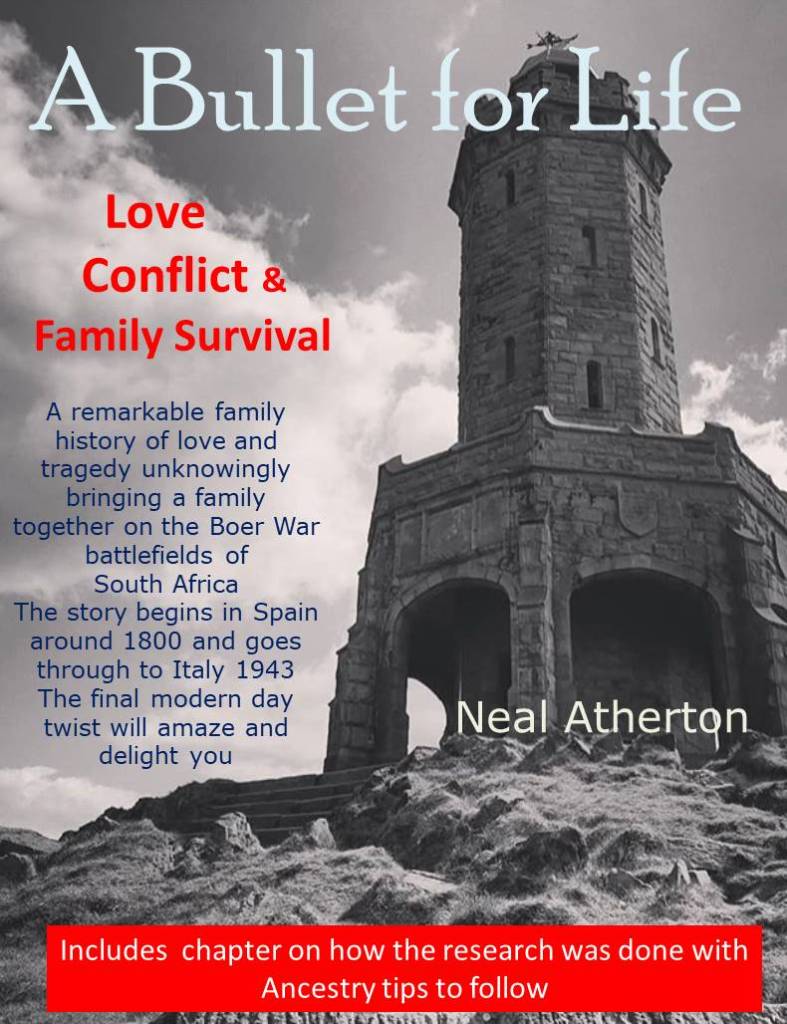


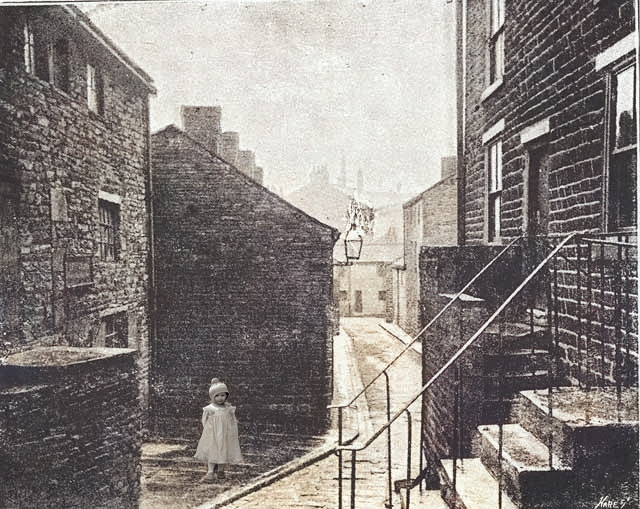
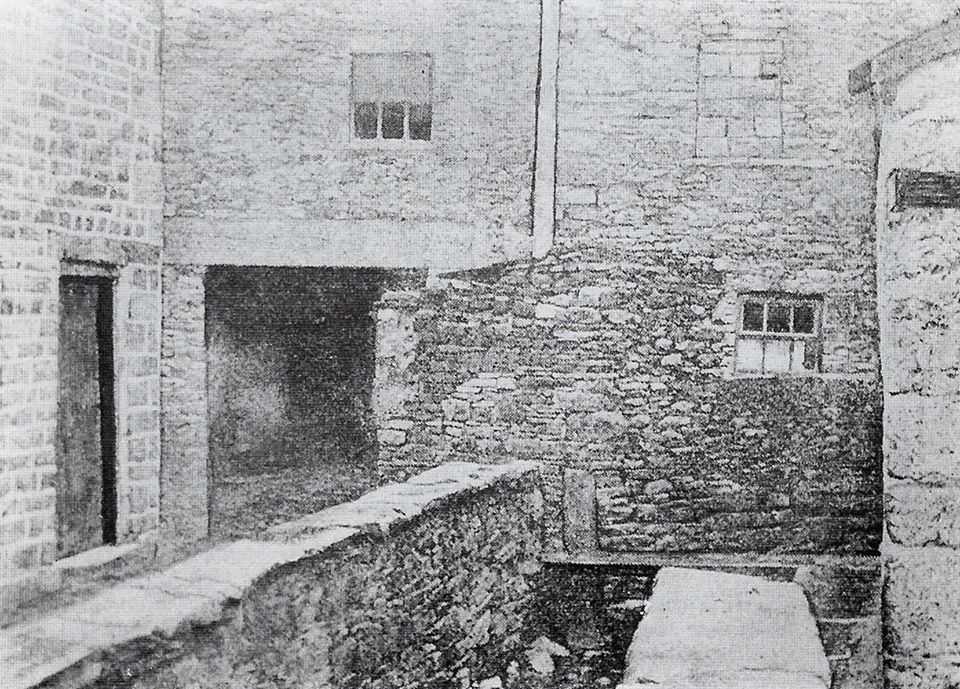

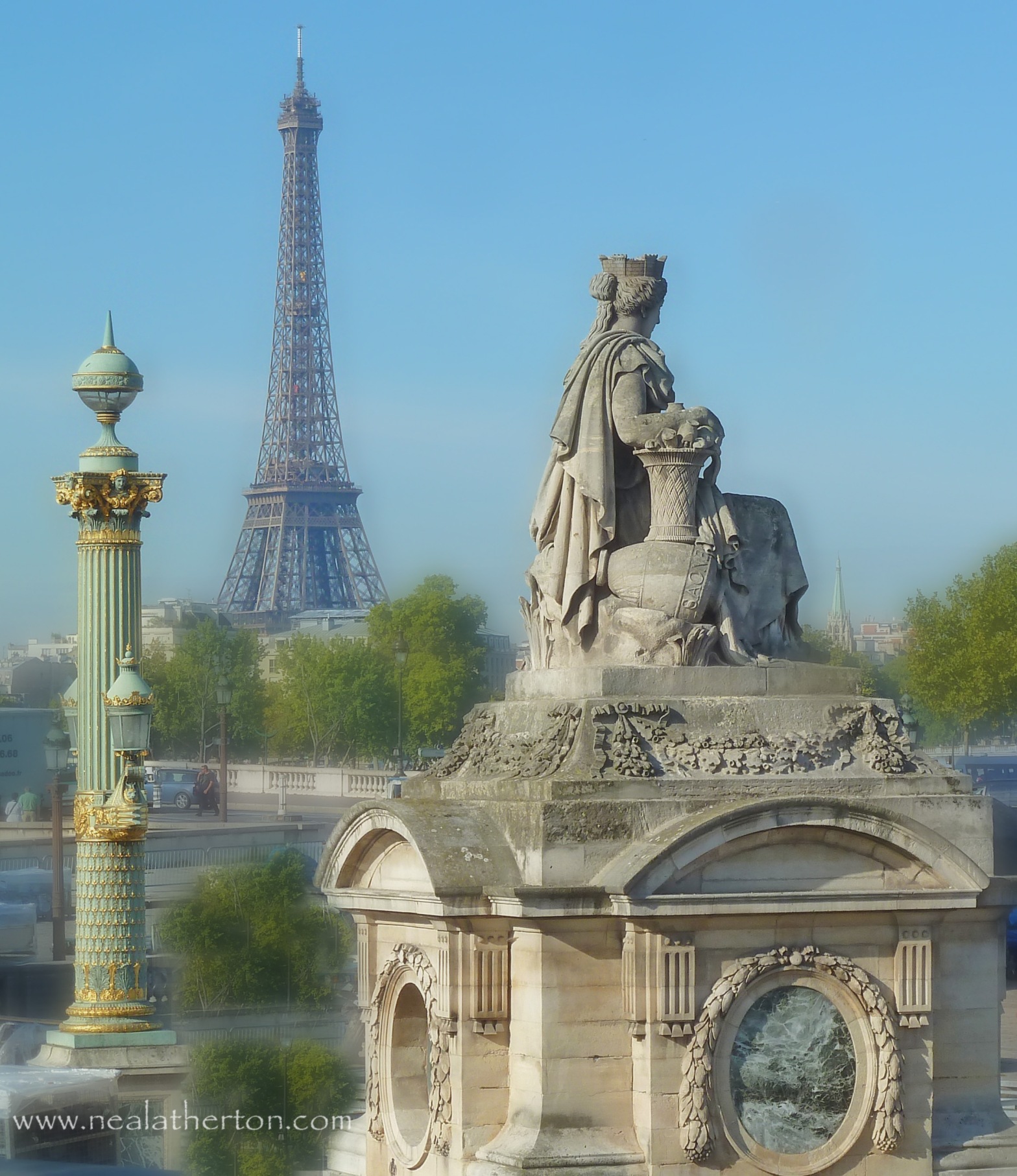

 Le Roussillon is one such establishment situated at the corner of Rue Cler and Rue Grenelle and is a bistro where we enjoyed a most enjoyable lunch with attentive service. Where Rue Cler scores highly is that away from the congregated throngs around Café Du Marche there are so many authentic Parisian shops. Wine and cheese stores, vegetable and grocers shops, butchers and delicatessens and of course the regular street markets. You will really get much more out of this area however if you look beyond Rue Cler and these are a few places we have found and enjoyed over the years in this popular neighbourhood of Paris.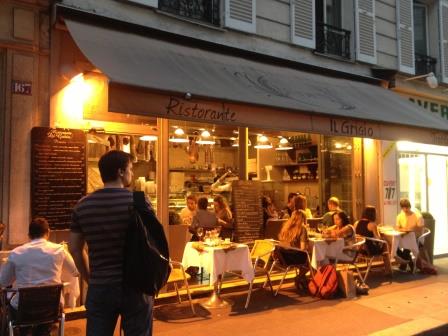
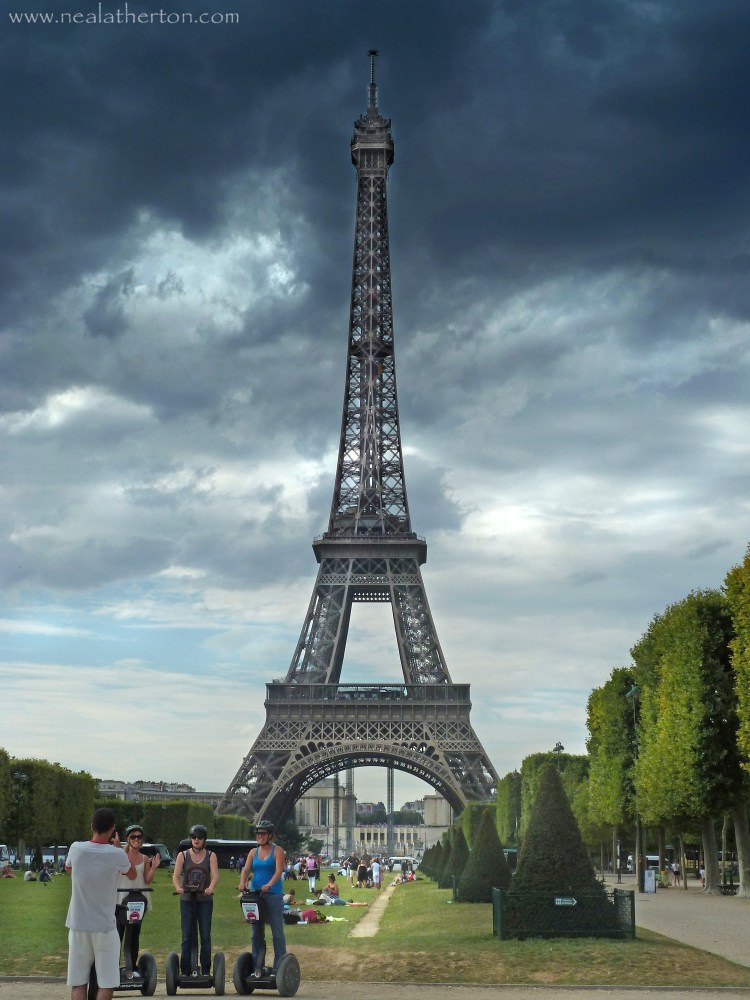
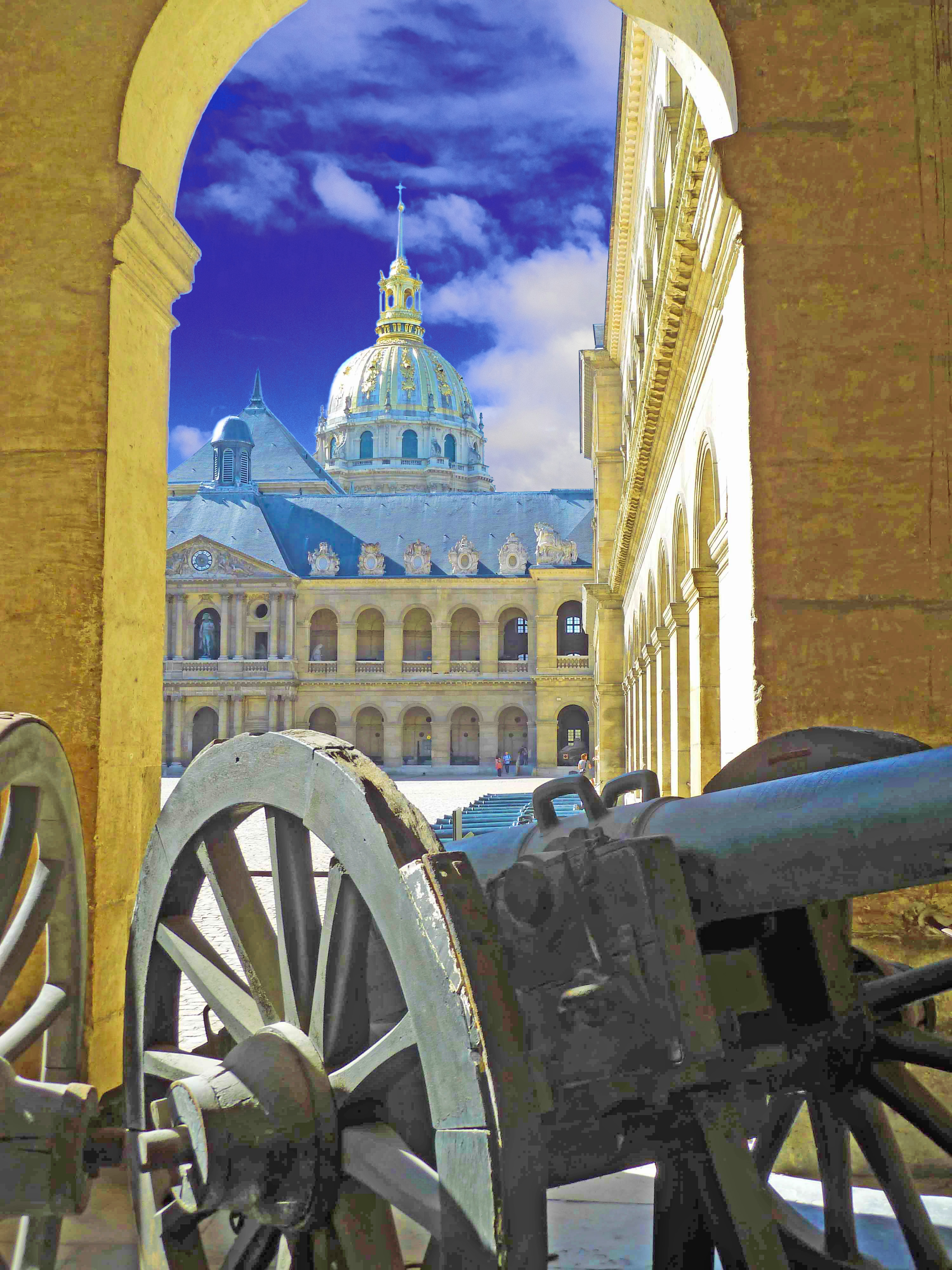


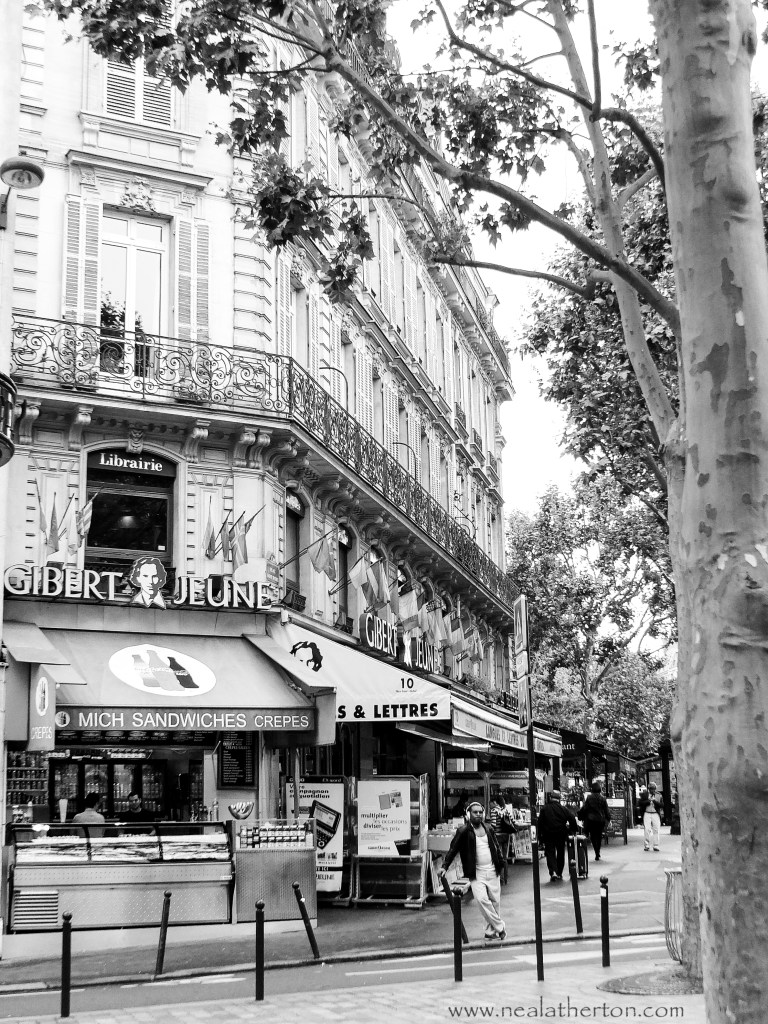


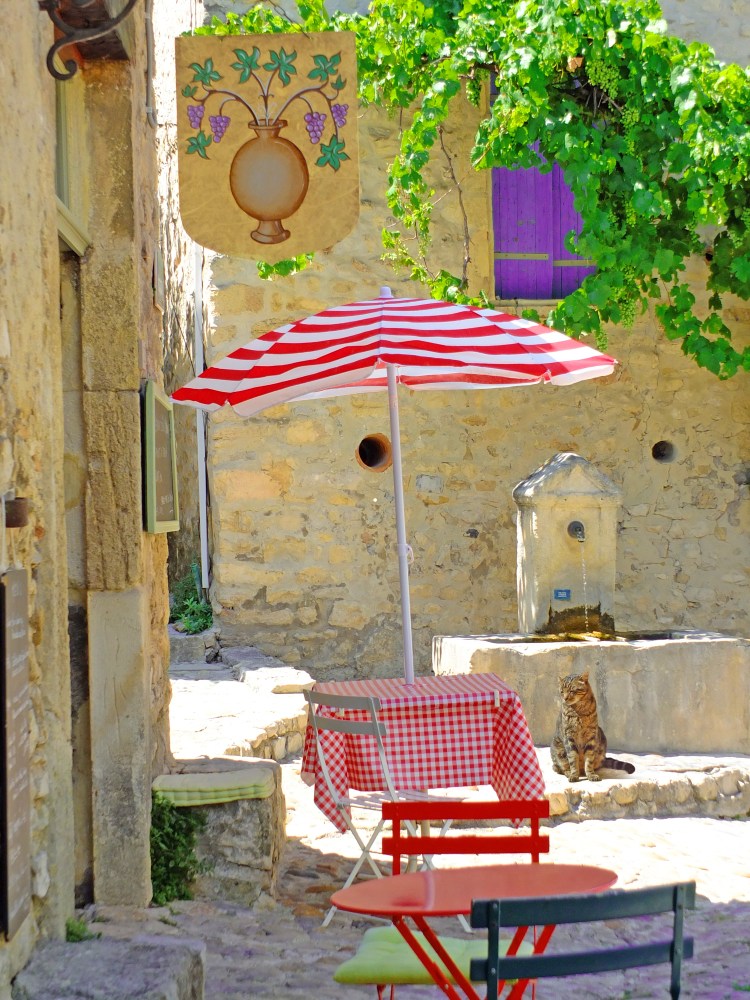

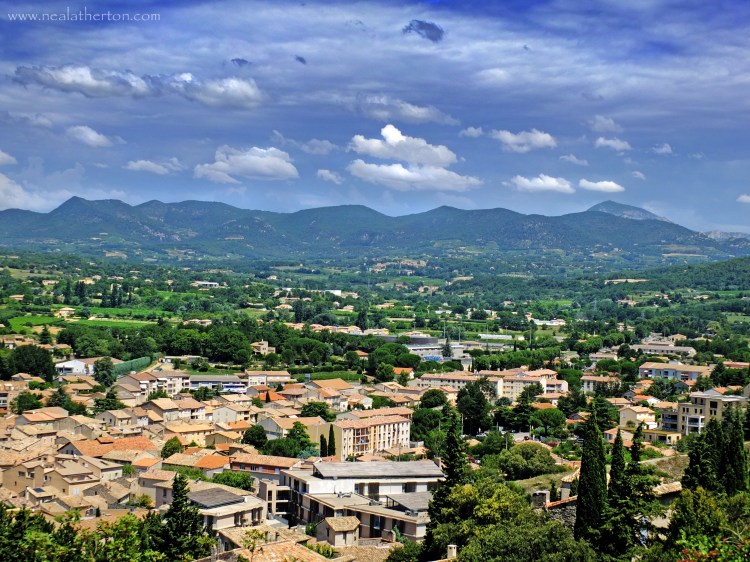
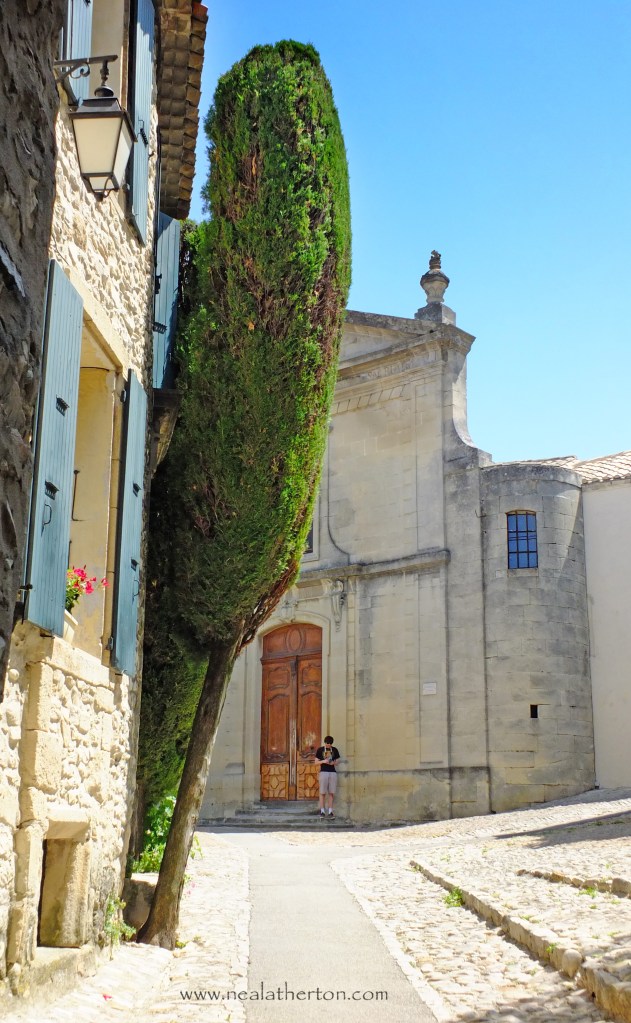
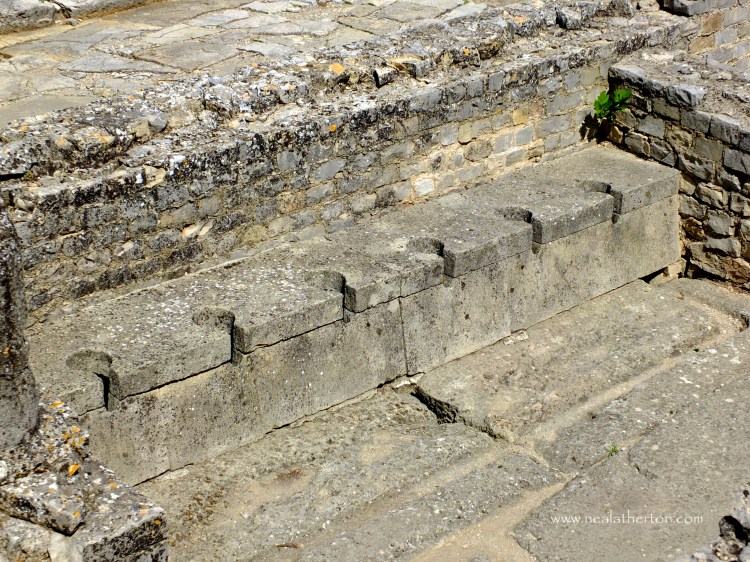
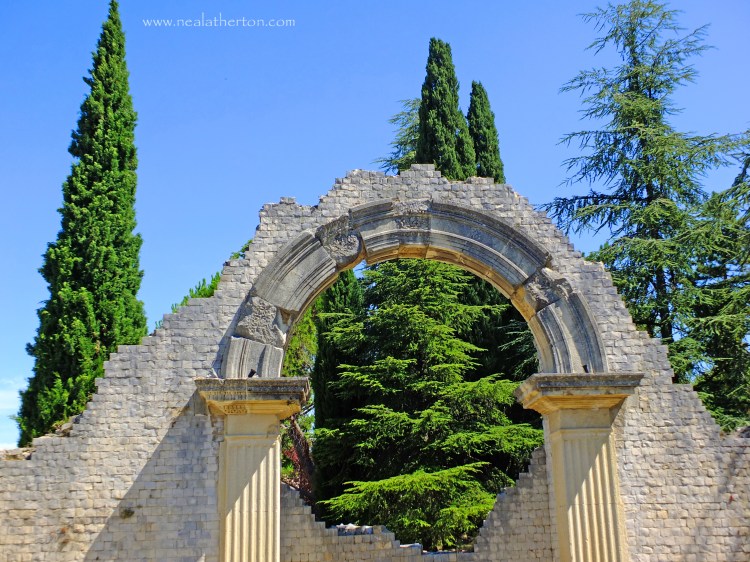


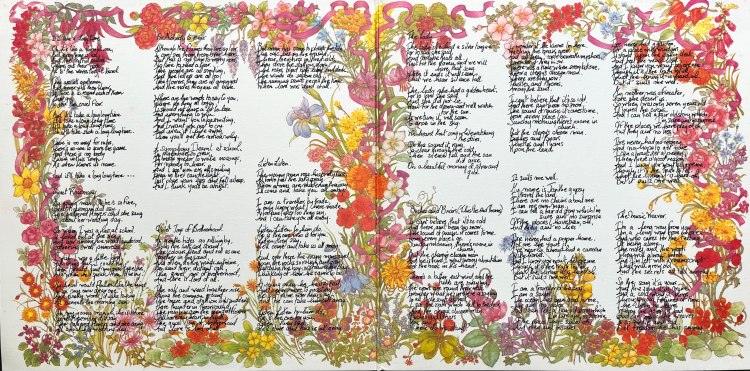
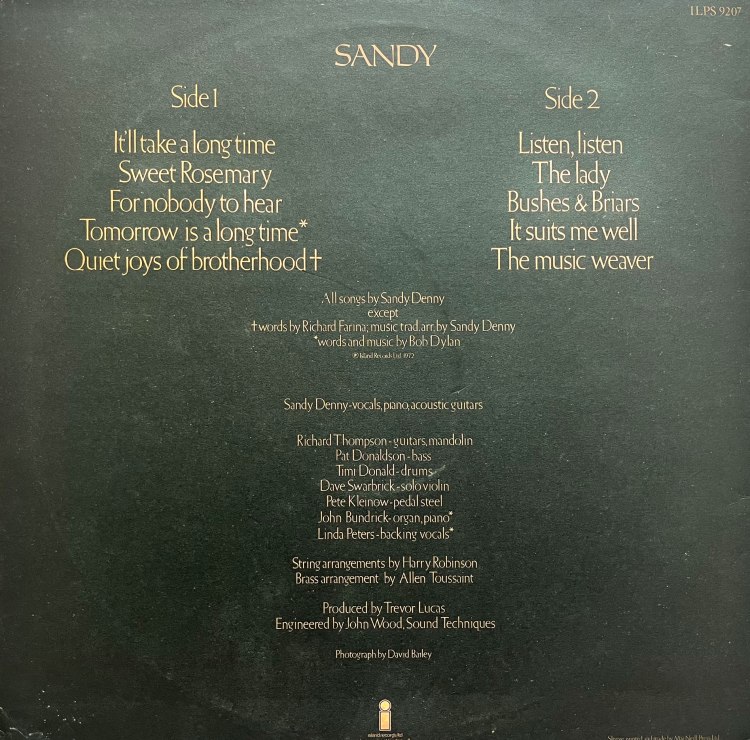
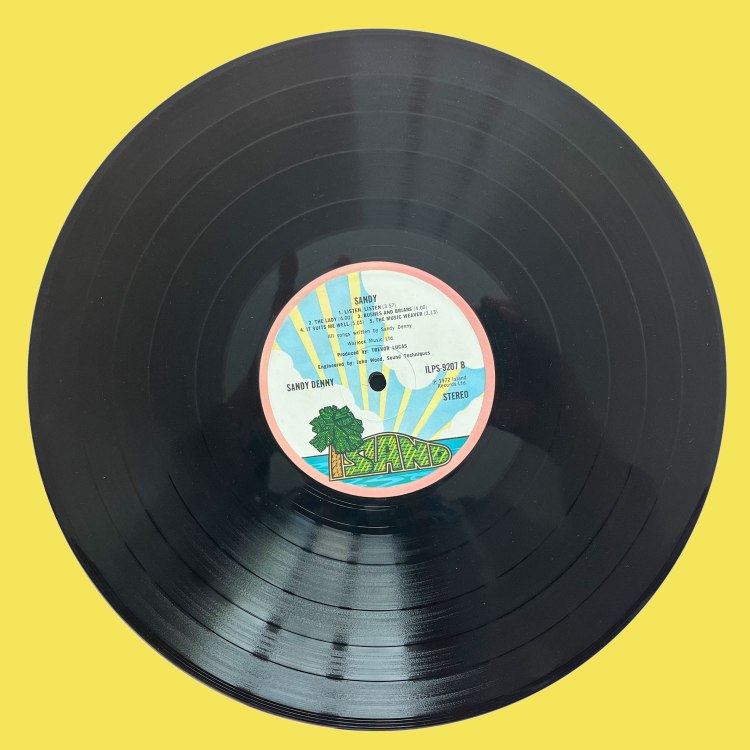




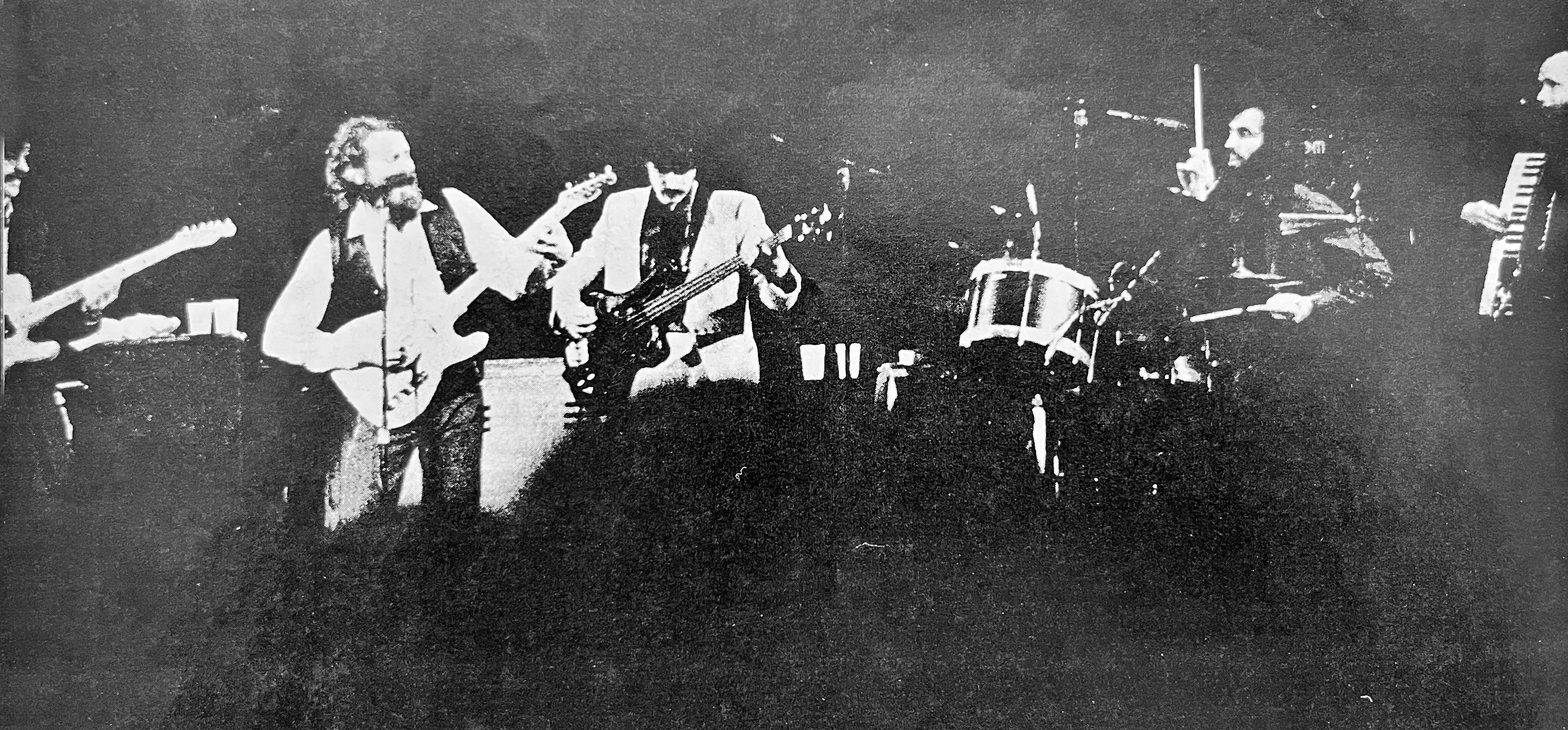


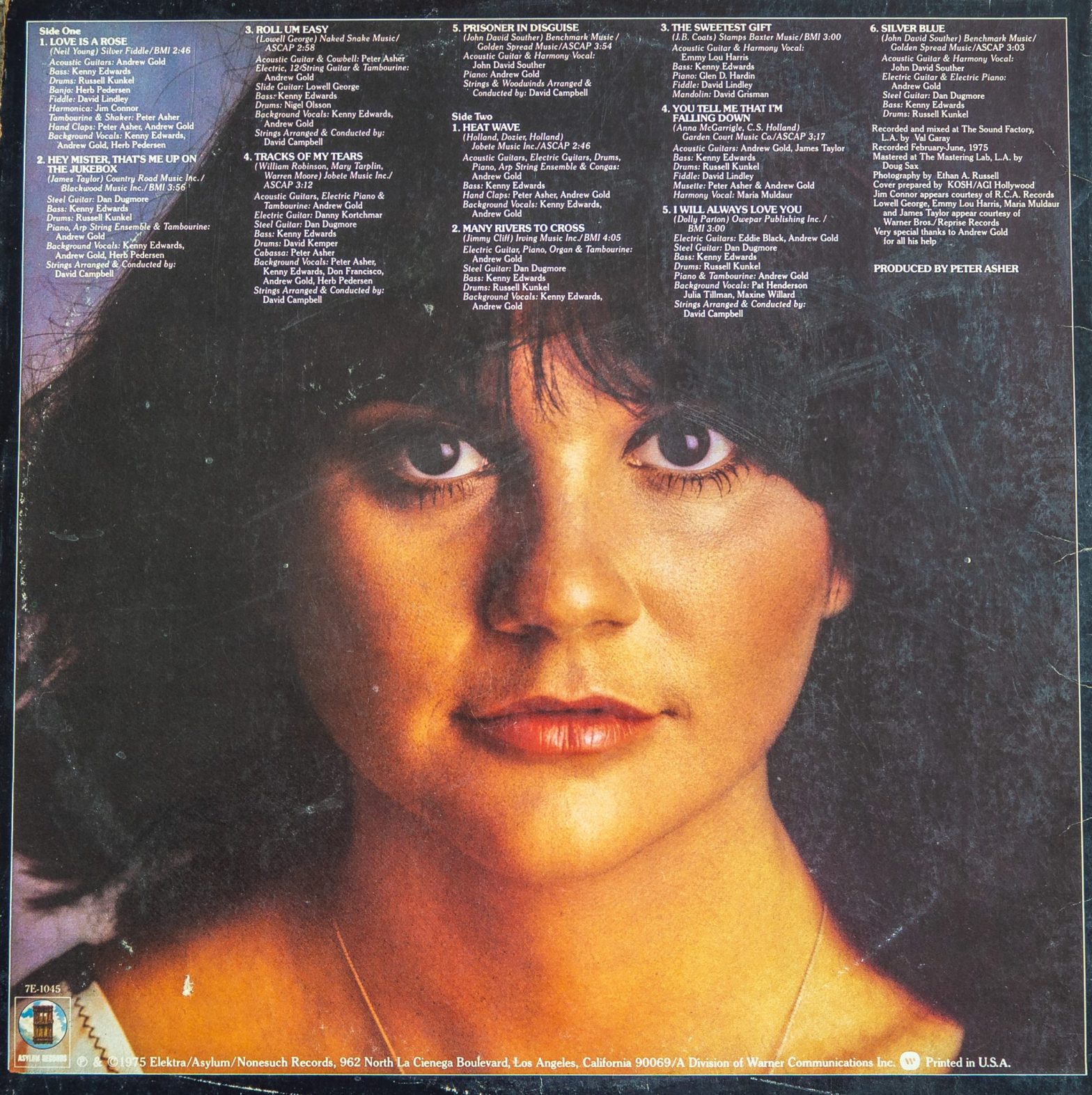

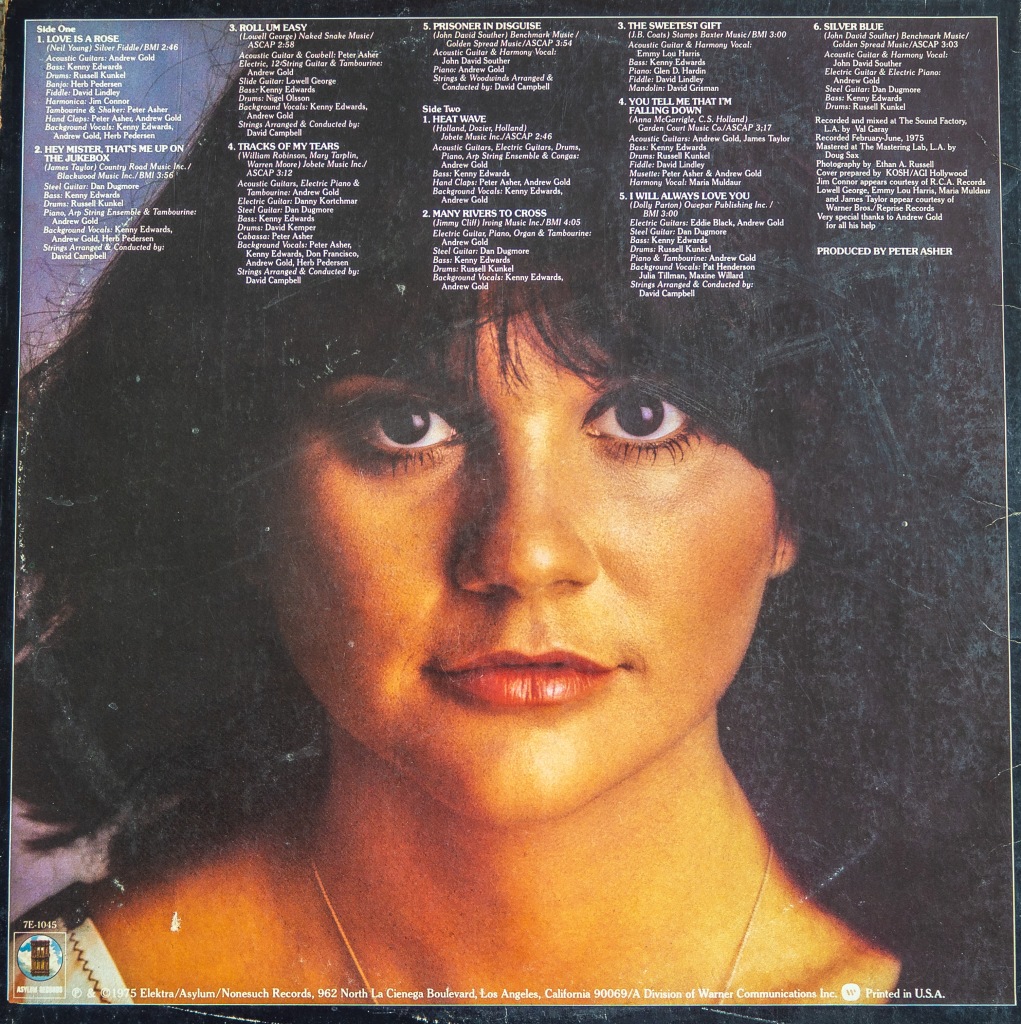




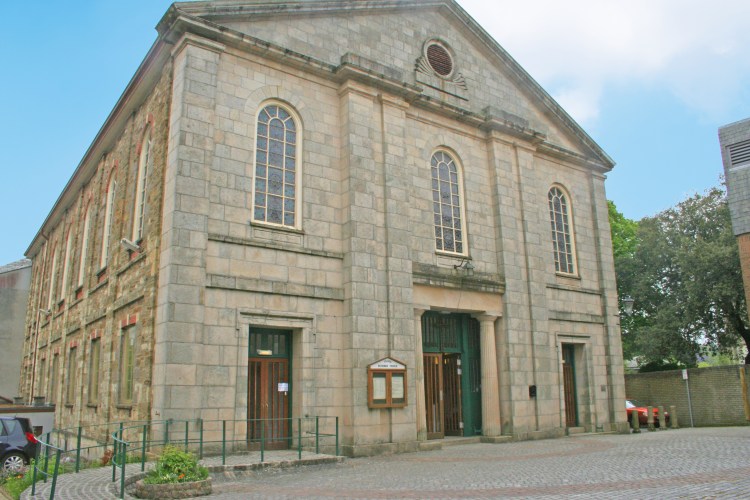

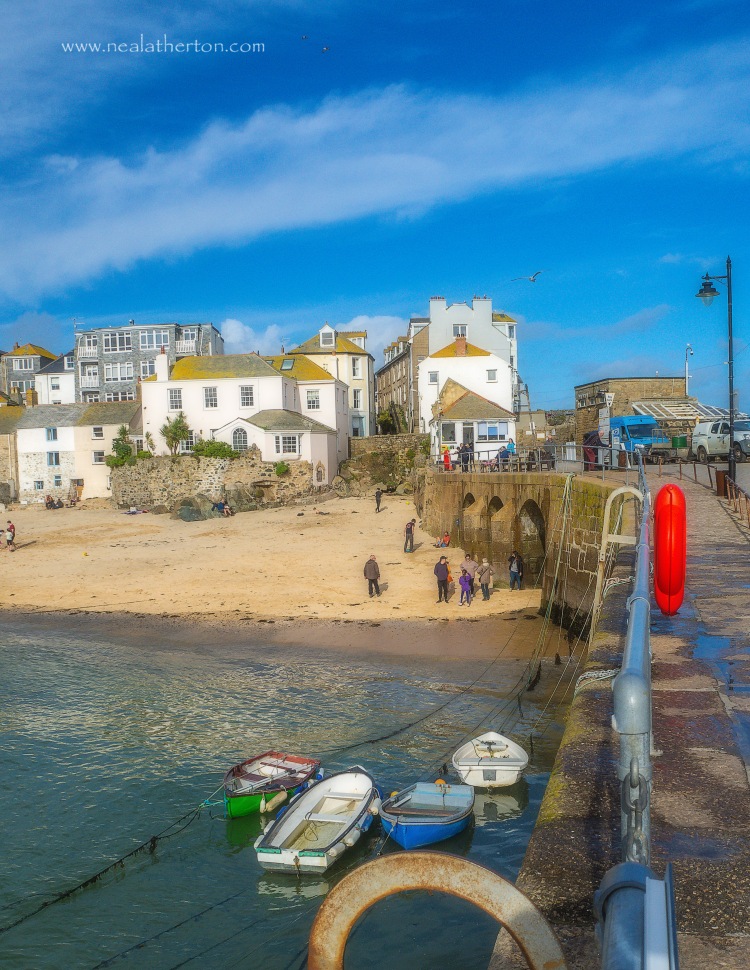
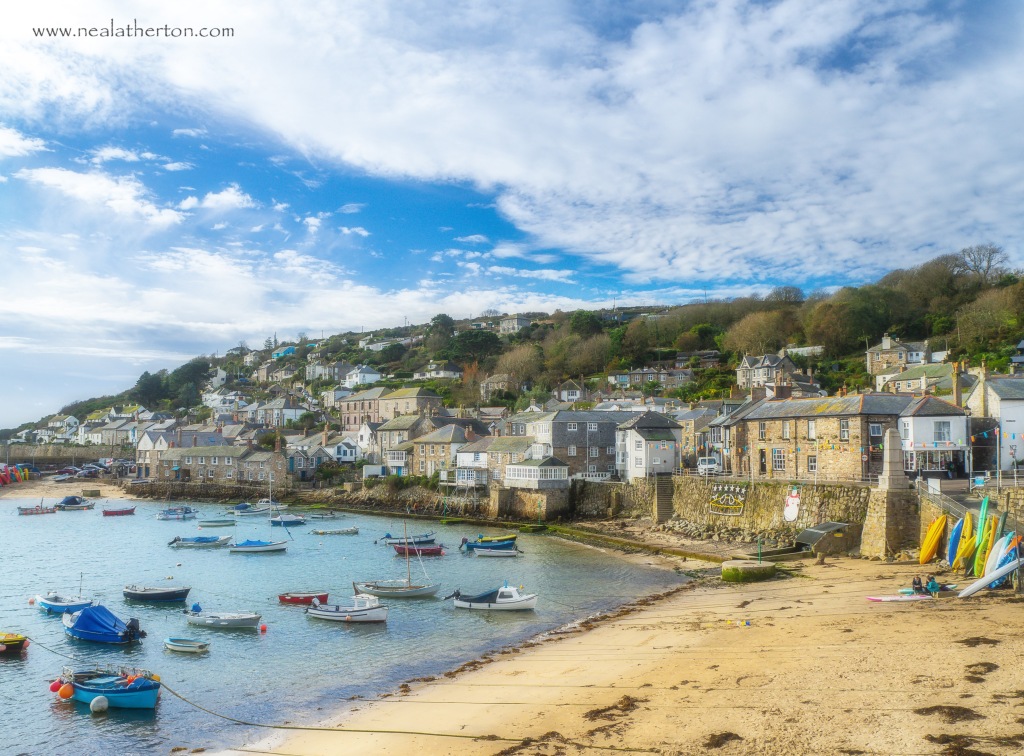

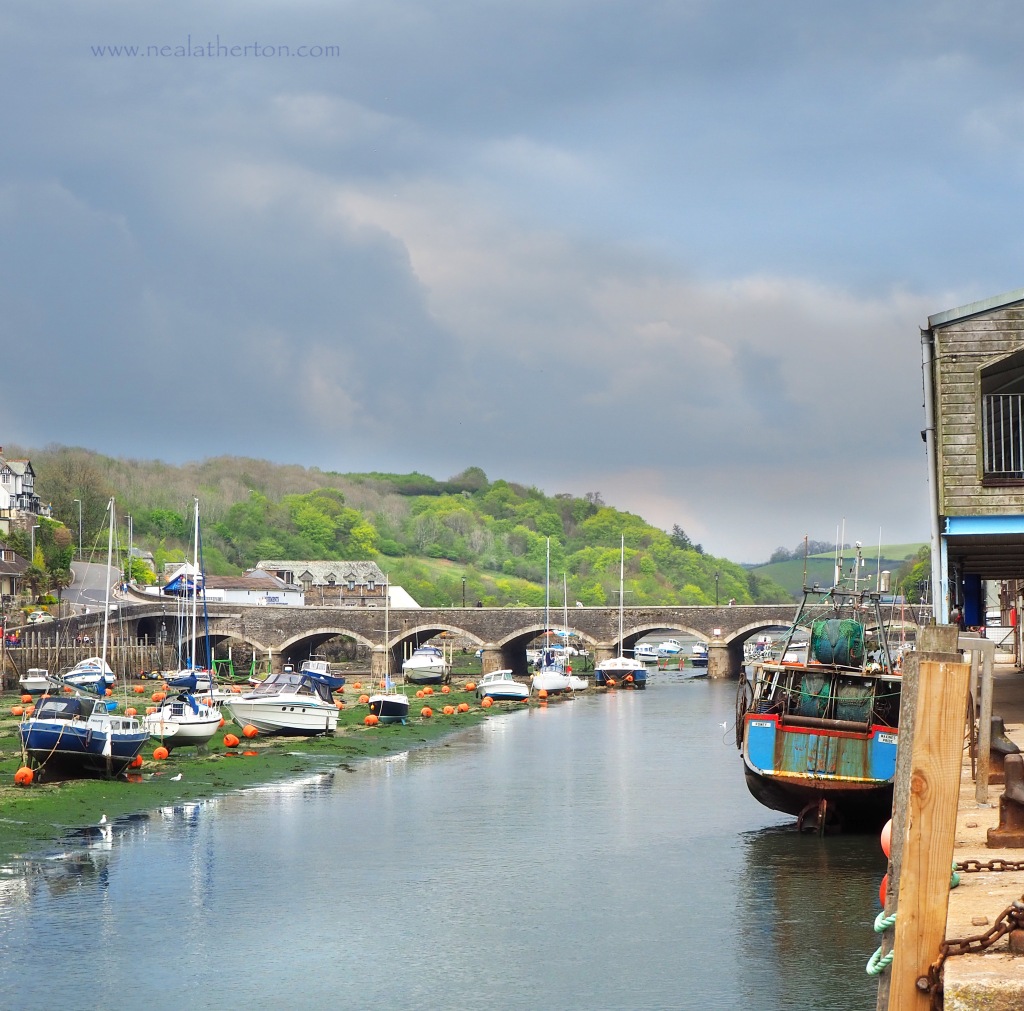
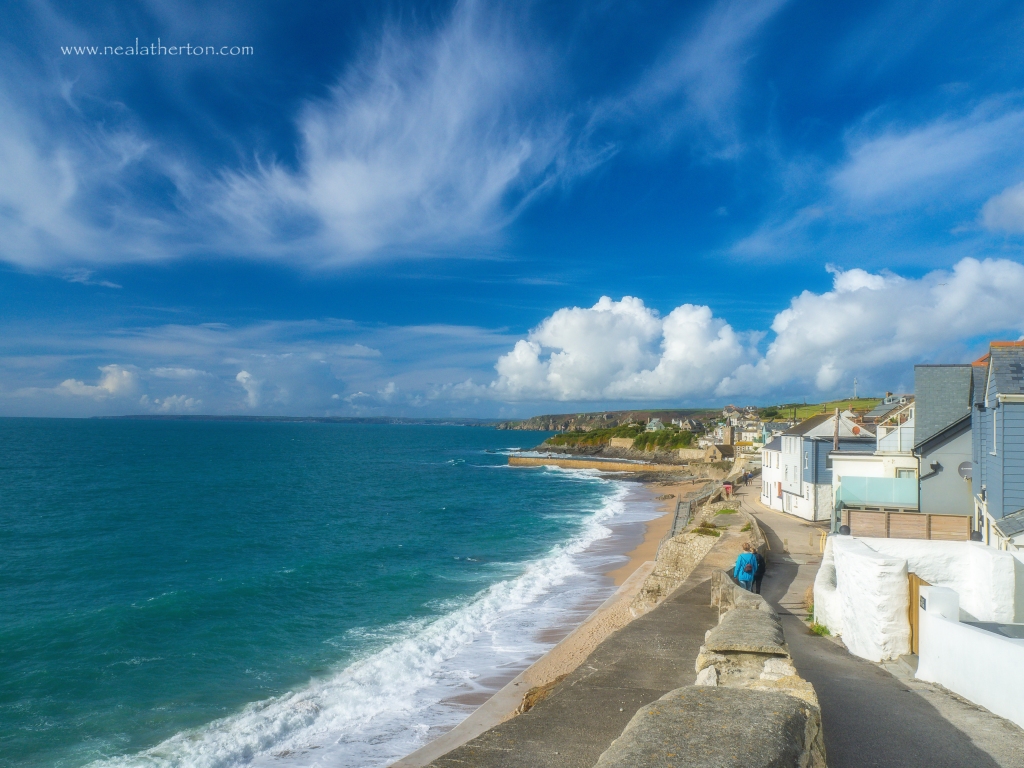


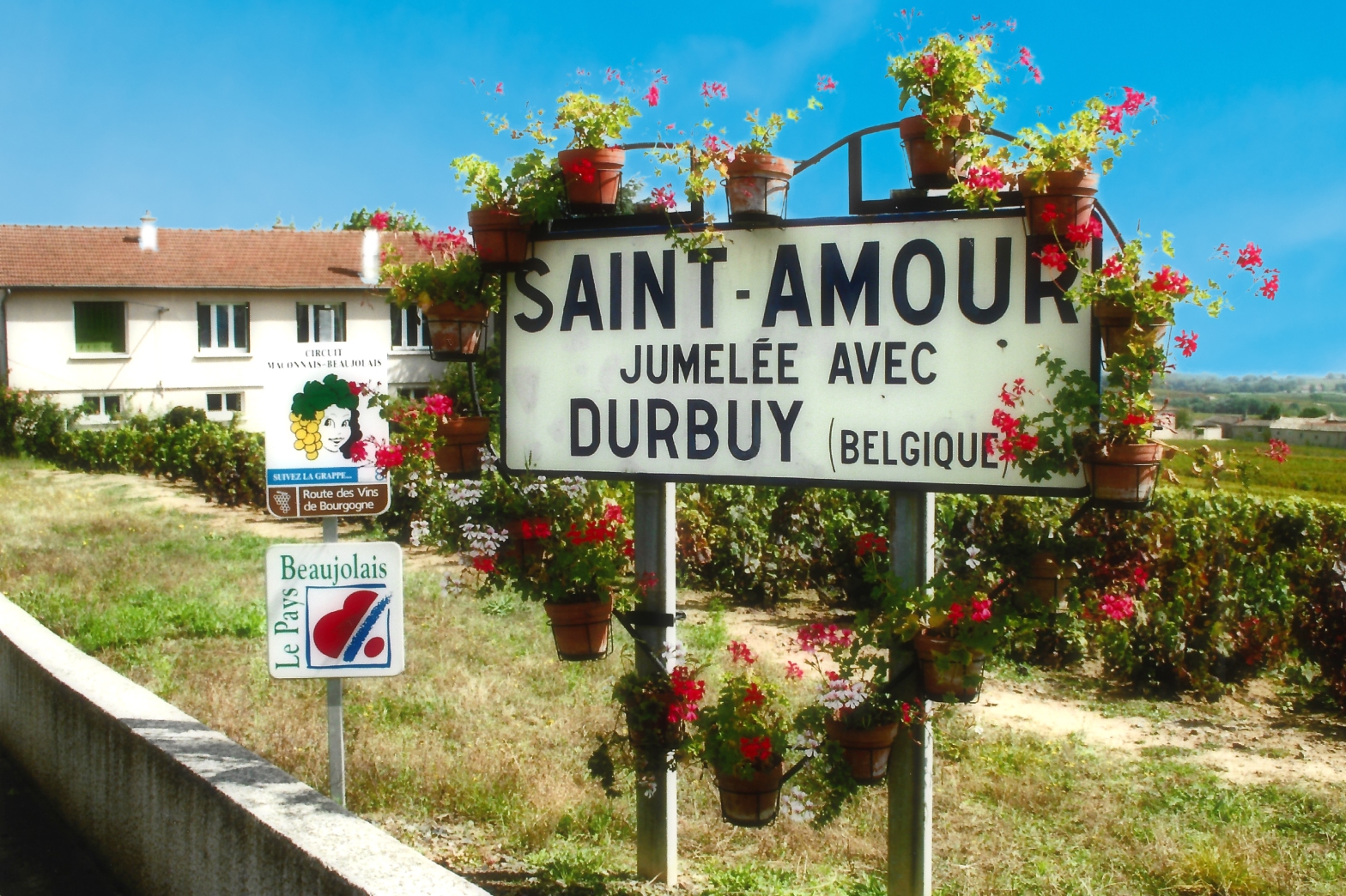


 French Travel Books - France, Paris, Provence & French Food & Wine
Leave a comment