Front well worn cover of my vinyl copy of Barclay James Harvest Live
Barclay James Harvest – Live
At the time an interest in the English band Barclay James Harvest was a bit unusual, moving me well away from the mainstream – no ‘glitter & the rouge’ with these Northern lads that is for sure. In some ways it was quite natural I should see what they had to offer as they were formed around Oldham just over the moors from my hometown of Darwen. Not one of the country’s cultural high spots it is true, but BJH were a gem found in that bleak moorland area. Anyone of a certain age will remember that BJH were always condescendingly referred to as ‘The Poor Man’s Moody Blues’. They even wrote a song with that title. True, in their early days there was a certain Moody Blues pretentiousness about them but by the time of this Live album they were to my mind head and shoulders above Moody Blues and had a style completely their own.
The song writing was strong and at times quite sensitive. Combining these lyrics with some melodic, almost classical tunes the effect was stunning and particularly when seen live in Concert. Much of their energies and resources went into their live shows but drained the patience to some extent of the record company accountants. I feel this album captures the spirit and appeal of the band perhaps more than their studio albums. Listening back to it nearly fifty years later I can say that it has worn well. My memories of their live shows are well captured and still sound fresh and innovative – no ‘Poor Man’s Moody Blues’ at all.
Part of the inner fold of the Live album
The album captures a live performance from 1974 from Drury Lane London and Liverpool that sounds quite seamless and a little like a concept album telling a story. That is probably close to the mark as the time period had an obsession with concept albums and you sense BJH wanted a stage show that followed a pattern. Musically it does and has some delightful moments that burst with orchestral type riffs that were their trademark. Introductions were a strong point and all the work up front was underpinned by some ferocious drumming from Mel Pritchard who could just as easily slip into delicate, soulful drumming on the sensitive parts. Les Holroyd’s guitar style is unique, lilting along with the flow before breaking out to the front of the mix with a robust riff or solo. The sound was gorgeously underpinned by the keyboards – Mellotron especially – of Woolly Wolstenholme, creating a distinct atmosphere. The light and shade created by these creatively talented musicians was their trademark and although quite a 70’s style that had many imitators they still sound wonderfully innovative today. Now, I mean this in a good way, Northern humour not withstanding, – they reminded me visually a little of the Muppet Show band, all pounding away in a world of their own, but BJH would always be producing a glorious harmonic whole.
The song writing was exceptional with John Lees taking most of the credits with Les Holroyd & Woolly Wolstenholme adding material and some collaboration from all of the band. Looking back from this distance it is the poignancy of their writing that stands out. They were a fine tight unit for many years. Sadly, their heady success in the UK was of a relatively limited duration and their strongest fan base was of course around Manchester and Lancashire. As a live band they would fill up halls around the country on their annual Autumn shows. They strangely and wonderfully went on to have remarkable success in Europe and especially in Germany where they are revered. In 1980 they played to some 175,000 fans in Berlin by the historic Reichstag. Later, just before the wall came down they enthralled an even larger audience in East Berlin. For a Western band this was an amazing, unheard-of event. Listening back, I can sense why they became popular in Germany. They fitted the time period and the atmosphere in a divided Germany. The later classic song ‘Berlin’ shows that they understood the city and the country – they were loved for it.
I saw BJH many times in concert and when in Manchester, always to a packed audience at the Apollo or the Free Trade Hall. However, in contrast to the 175,000 they appeared to in Berlin there was another concert that was somewhat lacking in attendees. One of the dates on their tour around 1974 was in Blackpool at the Opera House (if my memory serves me well). The weather was appalling, truly apocalyptic, eventually making travel virtually impossible. We however had headed to Blackpool earlier in the day and were on site before the weather turned really nasty. As showtime approached it was still possible to count very quickly just how many people were in the hall. We reckoned it to be around 50 hardy souls. To their credit BJH came on stage, asked everyone to ignore their seat numbers and just come to front. We were thrilled as they then played the full show as if the hall was packed. I can’t remember how we got home but what a special, unexpected gig this was.
They were at their best as a live band, having a real bond and rapport with their audience and this they developed in the great success they achieved in Germany. They were also generous in their respect for their fans, you could always be sure that they would play at least an Autumn tour all around the country and often a Spring one as well. We would always try to go, even if we had only seen them a few months earlier.
My vinyl copy of Barclay James Harvest LIVE from 1974
A wonderful band, an underrated one by the Southern dominated music press in the UK but a part of my musical life that I treasure. Their music is readily available to stream – I recommend that you have a listen. They wear it well.
Front Cover of the 1966 album Parsley Sage Rosemary & Thyme
Simon & Garfunkel – Parsley, Sage, Rosemary & Thyme
I had been familiar and enjoyed Paul Simon’s songs for some time because of a friend’s obsession with him. This album was the first one I bought featuring his writing. Maybe not my favourite album that Simon & Garfunkel produced – I prefer ‘Bookends’ personally. It has not entirely stood the test of time as there is an element of being stuck in the time period with a couple of songs. Feeling groovy – well not these days really. It was an important album for me in that the writing was intriguing, deep in places, but captivating. It also has some songs and singing of exceptional beauty. Paul Simon’s guitar playing is farther up the mix on this album and all the better for it. The production is crystal clear and still sounds fresh through the headphones.
Inner period piece sleeve that CBS used in the early 70’s
One song especially was important to me in my musical development. Not the music really but the words. ‘Dangling Conversation’ is thought by some critics to be a bit pretentious. I would imagine Paul Simon thinks so to a degree looking back. It was that very pretentiousness though that stopped me in my tracks. It was like nothing I had heard before. I wrote the lyrics out by hand to try to make sense of it. In the end I just enjoyed the word structure, the poetry of it, the references to Emily Dickenson. Who was she? Do I need to know? It was all new, another world. From this track I wanted more, more words, more meaning. I found that not just with Paul Simon but particularly in the work of Jackson Browne and Joni Mitchell. But that was to come.
Hand written lyrics that I wrote out in the early 70s of ‘Dangling Conversation’
There is a lot on here that gets your mind in overdrive. ‘Poem on an Underground Wall’ is a wonderful short piece of writing. A cinematic journey below the New York streets. Almost a word picture to accompany the photography on their first album ‘Wednesday Morning 3am’. Simon hints at a sinister purpose of the ‘poet’ and you can see the scene as the train passes and he gets to work. A picture drawn from life in his home city.
One or two tracks are on the face of it quite lightweight but carry meaning and also worth reading the words away from the music. ‘Flowers Never Bend with the Rainfall’ is a case in point. Musically it sound a touch throwaway, but it is a fine exercise in a young man looking ahead, what is coming and what does my life mean. Youth feels immortal but Simon knows that is not the case and he faces ‘tomorrow’ and what will come.
‘Homeward Bound’, Simon’s reflection of life on Widnes railway station, trapped in an endless cycle of gigs but without his love is contained on the streamed album. In my UK collection it is on ‘Sounds of Silence’ not on my vinyl copy here. One of his most enduring songs and a bookend if you pardon the pun to ‘Kathy’s Song.
‘Scarborough Fair’ is the song most associated with this album. A pleasant enough song and by connecting it with a version of his old song ‘On the Side of a Hill’ Simon takes it to a higher level. I still find it lightweight, but it has endured as a favourite with many. The vocals are superb as you would expect but I always have a sense that their hearts were not quite in this one, not convinced about it. Just my feeling. Of course, the background story to this is perhaps more interesting. Martin Carthy always insisted that his then friend Paul Simon stole the song and melody from him when they shared time together in London. Simon says they met many years later to put the record straight, that he did in fact pay royalties but someone close to Martin Carthy did not pass them on. One of those enduring tales from the heady days of the early sixties London music scene.
There are a couple of strange ones on here. ‘A Simple Desultory Philippic’ I can only conclude needs therapy to work out its meaning or presence on this album. Similarly, 7 O’clock news / Silent night carries that pretention on. Simon gets just that wrong side of serious poet mode on these.
‘Homeward Bound’ aside, there is one song that even if all the other eleven were duds would justify the album’s release. ‘For Emily, Wherever I may find Her’ is perhaps Simon’s most gorgeous song and melody. I still find it moving all these years later. Simon’s simple guitar picking carry the melody. Garfunkel is at his finest on the vocal that builds from gentle, soft singing to a crescendo that only he can produce. Whoever Simon is singing about, whoever Emily is, clearly is greatly loved. It is another short song but packs a punch above its length. His word pictures here show a joy in being with his love as he also does to great effect on ‘Kathy’s Song’. Is this also for Kathy but he spares her more immortality by using another name? I like to think so. Simon is more obscure about it, alluding to it being a search, a feeling about find that perfect love. It is so beautiful and passionate that I have to feel he is writing about someone specifically. I will always listen to it with that thought. It is breath-taking and if you get chance listen to the live version – that is even more evocative.
There is a personal postscript to this. I played this album almost to destruction and a friend of mine at the time loved this album – weepily so. She was from a home background that would not allow her to often spend money on records. So, generous to a fault, I bought another copy and gave her the chance to play this at home. However, and to this day I still cringe at the thought, I gave her my old copy.
My vinyl copy of Parsley Sage Rosemary and Thyme
I still think about being so condescending rather than generous – don’t we do some incredibly dumb things when we are young.
So, from a distance this album feels a little flawed now. It is though one of my most important albums. It is a place in time for me and it took me in to a direction with my musical tastes that I will always be grateful for – I have been captivated by Paul Simon ever since.
Rear cover of Parsley Sage Rosemary & Thyme – note that ‘Homeward Bound’ does not appear on the UK release
This account of Jonathan’s life is compiled from newspaper reports, known movements & actions of his battalion and other local sources including Cotton Town and thanks to Tony Foster for extra information on my relatives military service. It is not definitive but as accurate a story as I can portray from this distance in time. Hope you enjoy this look back at his life.
Private Jonathan Walkden 12120 of the 17th Battalion of the Lancashire Fusiliers is commemorated on the Thiepval Memorial near to the village of that name in Northern France. You will find him on Pier and Face 3C and 3D of that distinctive war memorial. You will not find the resting place of his body – that was never found and his parents had nowhere to grieve their son.
Jonathan is the son of Ada and Jonathan Walkden who have a total of twelve children born to them. On his only known photograph from the newspaper he looks a confident almost cocky lad, bright and good looking. He is born on the 5th of May 1886 at 42 Heys Lane Darwen. He becomes a regular member of the Duckworth Street Congregational Church and is one of the Boy Scouts at the church from an early age. He is small as are many in my family but probably due to the living conditions of the time in Darwen he does not really seem unusually so.
By the time that Jonathan joins the army there are only three children still alive and only Jonathan and his younger brother William are still living at the family home in Back Noble Street, Darwen, Lancashire. Like so many families of this time period living in the harsh conditions of severe poverty, coupled with the prevalence of disease including the self-inflicted one of syphilis that is rife in the slums of Central Darwen, many families lose up to 80% of the children born to these world weary mothers. These conditions to our modern day sensibilities are almost impossible to imagine and how these women suffered cannot be put into a context that we can easily understand, even if we today live in the same town that they did. Noble Street is a short row of small terrace house, some now joined together to make a larger dwelling. Back Noble Street does not survive in the present day but must have been a small collection of very substandard dwellings sharing communal facilities and lacking the basics required for a healthy lifestyle. These terrace streets made up most of the town and all lead down to the main road through the town which in turn meant that anyone could access the multitude of cotton and paper mills by means of the trams or for the Walkdens – on foot.
The Walkden family are on the verge of making good in the town with the advent of motor transport but this will come too late for this part of the family who suffer terribly in the industrial system of East Lancashire. At least young Jonathan’s father does not have to work in the mills but was a part of the family business of carting – basically moving goods around the area by horse and cart. Young Jonathan does not join his father in this but works as a labourer at Darwen Paper Mill which is a relatively short walk from his home. Jonathan is 18 years old when he joins the army and will be just turned 20 years of age at the time of his death.
My connection with the Walkden family is through my grandmother Florrie Walkden who is born in 1908 just eight years before the death of her uncle Jonathan. My grandmother’s father Harry is also part of the family carting business but I believe it would be her brother David that would reap the fruits of the expansion of this enterprise. David takes the business to another level by turning it into a motorised haulage business that has a fleet of vehicles and Walkden Haulage endures up until the 1970’s as a major enterprise in the town. It also becomes a coal merchant at a time when virtually every domestic dwelling has to use coal for heating and also many households need it to run the cooking ranges still so prevalent in many kitchens of the terraced properties.
I have a vivid clear recollection from when I was a child of going into the Walkden coal offices at the bottom of Kay Street in Darwen. Outside the premises there was a weighbridge that monitored the deliveries on the coal lorries to the townsfolk of Darwen. Inside of the office was set up and run rather like the house rates offices that the council had in the centre of town, a place that made you deliberately conscious of your place in society as you handed your weekly rent to the man sat at the raised counter. Likewise, the coal office made it clear it was you who needed them and you needed to be grateful of that. I feel sure that my mother never obtained any family discount on the coal purchases and the wealth of that side of my family as far as I can tell never filtered down outside of that immediate circle. Certainly young Jonathan Walkden and his family missed out on the good times.
I never really knew that part of the family but I did come to know my grandmother’s sisters Ethel and Nellie Walkden, it was impossible not to, especially with Ethel and my grandmother Florrie. To say they came across as being larger than life would be a considerable understatement. My grandmother was a loud enough character on her own, always laughing, especially after returning from the Bingo Hall in town just ever so slightly lubricated with a glass of sherry or some similar refreshment, always with a cigarette in hand. She use to pass on her cigarette cards to me of which there were hundreds and how I so wish I had kept them all. When she was out and about with her sister Ethel the noise and cackling laughter was almost unbearable, they were uncontrollable and I never felt I heard a serious thought being uttered when they were in each other’s company. It is fair to say they were a fun couple of sisters. Their other sister Nellie was different, much quieter and I only really got to know her much later in her life. She lived over the moor at Tottington near Bury, Lancashire, close to where the Orrell family were based. Her elderly husband Richard Leach was blind. They lived in a small terrace cottage on the left of the road just coming down off the moor and seemed a happy but quiet couple. Richard retained a degree of independence but did not often leave the cottage. They had family that lived close by on the other side of the road. Nellie’s passion in life was Bury Football (Soccer) Club. Bury are not really a club that has ever overly troubled the consciousness of most followers of the beautiful game but they have had their successful moments back in the early days of the organized game. Those glory days were long gone but Nellie was proud of the club and followed them avidly, going on the bus to all their home games at Gigg Lane in Bury. I was fortunate enough to be taken by her when I visited and I still vividly recall going to that game with much affection although she did not pass on her fanaticism for the club to me and I stayed loyal to my hometown club. Sadly the club lost its Football League status and folded due to financial mismanagement. Nellie would have been devastated to see this demise of her beloved Bury.
Florrie Walkden – my grandmotherFlorrie Walkden marrying John Atherton in 1928 – Nellie Walkden on left
Going back to the early history of the Walkden in modern times it turns out that the family arrived in Darwen from the town of Heywood near Rochdale in Lancashire. The employment they had left in Heywood in the early parts of the 19th Century was even worse if that is possible than the Atherton family endured in the mills of Darwen. The family all worked in the local tannery in Heywood, a place that was notorious for causing the foul smell that permeated the entire locality. The tanning process required a plentiful supply of clean and soft water that would run freely and the area of Heywood, close to the rain soaked Pennine Hills was ideal for suppling that in vast quantities. Unfortunately for the workers and residents that clean pure water did not stay fresh for very long once it had entered the stomach churning processes taking place in the tannery. Back in early Victorian times it was common for the process to use large quantities of urine and dog excrement or even the pulverised brains of the dead animal. My early ancestors must have returned home in an appalling state and it is impossible to imagine how they ever managed to become clean enough to eat their food safely. As would be expected disease was rife in the locality and the stagnant air around the tannery, a building that was located among residential houses was putrid. The long hours of work was conducted in this foul air and was very arduous as part of the preparation of the leather involved removing the fatty tissue and hairs from the hide, much of this done by scraping with a special knife – a truly filthy process that was backbreaking and damaging to the hand and fingers. It is one of those methods that actually works that makes you really wonder how anybody came up with the scientific reason for putting this together and making it successful. It was effective and the fine ladies of Manchester and Cheshire wore the softest of leather gloves but I am absolutely certain that these delicate females would have been totally unaware of the disgusting process that produced such fine embellishments to their expensive outfits.
Harry’s father Thomas had escaped from this life in Heywood and with other members of the Walkden family set up a fledgling carting business in Darwen. Most of the males in the family were engaged in this operation but it was hard work involving long hours and driving the horse and cart many miles around Lancashire in all weathers. They also had to care for their horses on which they depended and these were stabled basically at home in various locations around Darwen. The business did not make anyone rich at this point in time as there was much competition mainly in the movement of cloth to the factories in Preston or Manchester where the raw basic cotton from the Darwen Mills was turned into garments. There was however plenty of cloth to be made and the Walkden enterprise gave them a reasonable living that they had cause to consider was a step up in quality from a working life toiling in the mill. At least they got a lot more fresh air but back home the poverty was still ever present in the mind if not on the table and always they were in fear of going below the breadline if the carting business ran into a quiet and unproductive period. They always had one eye on the state of the economy in the mills and also the threat from the carting competition.
There is an interesting insight into the type of business that the Walkden family were engaged in during the early days of the business and this is recorded in the Blackburn Standard newspaper in February of 1900. Young Jonathan’s father has been to the local mill that morning and is transporting a cart load of cloth to Preston using two horses to pull the wooden cart which is piled with goods as high as possible without it falling over. He reaches Bolton Road, Blackburn some three miles from Darwen and as he proceeds slightly downhill into Blackburn on the last part of Bolton Road heading towards the railway bridge to continue his journey to Preston the rear horse gets its hind legs entangled in the cart shafts. This forces the cart into a lamppost which withstands the initial collision but Jonathan Walkden has to quickly uncouple the horses so as to get them separated from the shaft and be able to return them into proper harness. When Jonathan frees the lead horse the ungrateful animal bites him and it bolts towards a shop window at number 24 Bolton Road and on impact smashes it as well as putting its hoof through the skylight cellar window, a feature of these properties that anyone of a certain age that has lived in East Lancashire would be very familiar with. This incident causes cuts to the horse’s nose and leg and when Jonathan tries to restrain it and put it back into harness it bites him again a further two times. Jonathan’s language is not recorded by the newspaper. He does eventually manage to recouple the horses and successfully get on his way under the railway bridge and completes the journey to Preston without further delay and the load of cloth is safely delivered to the factory. There is no indication in the report that he paid for any repairs to the affected shop and he does not appear to have been prosecuted for having his horses go out of control. Clearly the newspaper was well informed about the incident, nothing escaped the gossip of the times, so I suspect Jonathan was obliged to make good the shop frontage. This accident occurred at seven o’clock in the morning and if you then take into account the time needed to get the horses fed, attached to the cart, the load ready and then travel the three miles into Blackburn it gives some indication of the long hours that must have been involved in conducting this family business.
At the time of this accident and only 14 years before his son Jonathan enlists in the army Jonathan Walkden has settled his family to be living in Heyes Lane Darwen. These properties would at the time have been relatively new houses and although ubiquitous terraced houses they were and still are today of a good standard of construction. Jonathan’s business must have been going fairly well at that time to have been living in a relatively new and quality property but seems to have taken a downhill turn shortly after this and they eventually found themselves in the reduced circumstances of Back Noble Street. From here they gathered to wave goodbye to their eldest surviving son Jonathan as he went away to enlist to fight in France. Perhaps the publicity from the incident with the out of control horse was not good for Jonathan’s business but it is more likely that he was finding carrying out this type of work more difficult as his health declined. He had seen his wife give birth to so many children in a very short space of time – virtually one a year between 1890 and 1900. During that time they had also lost nine of them, almost one child is born and one dies every single year during that time, a level of emotional suffering that you feel must have been impossible to bear. Ada dies just three years after she loses her son Jonathan at the Somme, she is physically worn out and broken hearted. Jonathan struggles on until 1937 but his life has been extremely hard and unfulfilling and the final years are sad and difficult. Once again my research in the family tree leaves me feeling somewhat incredulous that a man can put his wife through so much, and you feel that your real sympathies are with his wife Ada. Time and again I find, particularly in my family line, an ancestor giving birth to around ten and sometimes as many as eighteen children, giving birth to a child generally every year with many of these children dying in infancy. I feel sad that I can only make a harsh judgement on the husbands, many are my direct ancestors, particularly with the knowledge that some of these men passed on disease to their wives which only compounds the conflicting feelings I have about these relatives despite having to sympathise very much with the incredible poverty many of them suffered. Their reasoning at the time was surely that by producing more children it would eventually provide more income as they would be put to work at around 12 years of age in the mills. Their meagre wages would assist the family to stay out of poverty. In many of these cases it simply did not work and the children died young and we are left with the absolute certainty that it was the women who suffered the most and that treatment of them by a man who they loved is difficult to comprehend or justify.
Ada would first of all wave goodbye to her son Jonathan as he left to fight in the Great War but ultimately she would be left at home as her husband and youngest son also joined up later in the war.
Young Jonathan Walkden never marries or goes on to have a family of his own. As we mentioned previously Jonathan joins up to fight at the outset of the war in August 1914. Jonathan is initially attached to the 11th Battalion, part of the 104th brigade, 35th Division and by June 1915 these troops were concentrated as units in North Yorkshire at the market town of Masham, a place I know very well and as far as I am concerned most famous today as the home of the wonderful Black Sheep Brewery. In August 1915 they move to Salisbury plain for further extensive and repetitive training. Over the next weeks they move on once again to Chiseldon and Cholderton. In late June 1915 they receive orders to mobilize for operations in Egypt and are intended to ultimately be a part of the fated campaign in Gallipoli but these orders were rescinded. Jonathan passes several boring months in the South of England and he feels he has trained enough by now and is cheered that he and his Regiment are now travelling from Folkestone to Boulogne on the 28th January 1916. From there they journey south to Saint Remy, near to Abbeville located right on the Somme River and trained there until early February especially practicing the art of living and working in trenches. Life in the army was no longer fun for young Jonathan and the dire reality of living and working in these dreadful winter conditions was now very real to him. In writing of my family and how their lives were moulded by the Great War I do find it hard to grasp any possible reason that Jonathan spent around 18 months training for something that in the event of when he actually goes into battle the consequences were almost completely out of his control. Nothing and no length of time can ever prepare you to be sent ‘over the top’ and try to survive withering machine gun fire in the open fields of Northern France. You are left bewildered and angry at the pointlessness of it all. Jonathan might just as well have trained to land on the moon for all the good this endless repetitive ‘training’ did for him and his pals in the regiment when they left that trench for the very last time.
By late February of 1916 Jonathan and his regiment were located in the area of Maricourt on the far right of the British Sector of the Western Front, the front line located about half a mile away from his unit. Just to the west of them a small village called Carnoy was in British hands. Ahead of them the Germans held Fricourt, Mametz and Montauban. I will for the benefit of the story refer to these places as villages but in reality they were now just mounds of rubble and the whole landscape was becoming bereft of any noticeable landmarks. Jonathan is called on by the commanders located several miles behind the trenches to proceed with his pals to regularly try to hold the British Front line trenches. Eventually they gain much needed rest and a little recreation at the village of Suzanne located around two miles behind the lines and still relatively intact. They arrive for the first time at the billets at Suzanne but the timing is unfortunate as they are just in time to see the village shelled by the Germans and the battalion sustain a few casualties. The next day Jonathan’s unit relieve the troops holding the line just west of the village of Maricourt.
I have over the years seen many pieces of film showing the Allied troops behind the front lines building transport and communication links from the trenches back to the rear support depots. A popular method of keeping supplies moving from the rear to the front lines was by narrow gauge railway and Jonathan and his pals are active in building this rickety track on the very liquid foundations of the front as well as some road building and the deep burial of telephone lines as they try to avoid the German shells cutting off communication between the trenches and the rear. They engage in all this non-combat activity up until May of 1916. On the 24th of June an Allied bombardment of the German positions signals the start of the run up to the Battle of the Somme. Initially that battle was to begin on the 28th of June but the weather was unseasonably wet and overcast with reconnaissance by the Allied aircraft over the German lines proving to be impossible and so the Somme Battles as we all know today began on the 1st of July 1916. The information that the German lines have been pulverised into non-existence is wrong but fortunately in Jonathan’s sector the Germans are in a state of disarray after the bombing.
Jonathan and the unit arrive at the assembly spot called Cambridge Copse at around 10pm on the 30th of June with other support arriving at their side around midnight. Jonathan is not in the first wave of troops that he sees going into action at zero hour the next morning and unusually for the first day of the Somme the casualties in this sector are relatively light. At 8.30 am on the 1st of July Jonathan and his pals await the signal from their respected officer and when the whistle blows they go over the top of the trenches into an area already massively cratered by shell fire and the whole theatre of war in front of them is being swept across by steady withering machine gun fire from the German lines. To the left of the field a machine gun is taking a heavy toll of another regiment but the 17th battalion are not being spared either and their commanding officer is killed very soon into the fight. It seems incongruous looking back over time to call it a fight as very few got as far as to be able to come back and say they had been in a ‘fight’. For the most part they were sitting ducks and never fought in the true sense of the word – that was neither their fault nor indeed their decision. Jonathan and the men around him move on with great courage and reach the German front line but they do not actually know it as the devastation from the Allied shelling had been so effective that the trenches were unrecognizable. This causes them to move on to the second line of trenches which also are just a mass of craters and ditches and there is thankfully no problem with any uncut barbed wire. They are still under machine gun fire at this location and the exact point of fire is spotted and the gun destroyed at around 9am. The village and planned objective of Montauban is actually well prepared for defence by the Germans but in the event is discovered to be undefended and the regiment walk in to take possession taking any Germans still there as their prisoners. This is a rare success story on a day of truly catastrophic carnage for the British Army and Jonathan is still alive on this day of days.
By late afternoon this sector becomes quiet and stays that way until around 3am the following morning when German artillery fire begins and a German infantry attack has to be repulsed. This attack is stopped except for a small group that pins down a party of Jonathan’s 17th Battalion who for a time manage to hold out with grenades until being forced to retire from the position having suffered three or four casualties in the engagement. This finally leaves the regiment holding control of the village of Montauban and on the 3rd of July they are relieved by allied forces and are able to go back behind the lines. Jonathan has survived the first battle of the Somme but to keep beating the odds will be a tall order and he knows it.
The regiment has lost 8 officers and over 300 men in the operation and this we have to remind ourselves is considered a successful one. Every one of these men has a loved one back home and this is devastating to the regiment. Analysing the cold facts of the events surrounding the Battle of the Somme these casualties are quite small in number and the Regiment in the context of the ferocity of the battle has come out of it relatively intact.
The powers that be now decide that the only way forward in view of the limited successes of the first wave of attacks of the Battle of the Somme is to concentrate on capturing and breaking through at the village of Guillemont in the area that Jonathan has just fought in. Jonathan will not leave this area again and takes part in the next engagements through Trones Wood and on to Maltz Horn Farm. These objectives are met by the regiment until a withdrawal is ordered and Jonathan is engaged in much disputing of this territory over the coming two weeks. One particularly horrifying action he takes part in is in Bernafey Wood as the regiment attempts to clear the northern areas of Trones Wood. While Jonathan and his regiment are moving forward the Germans use gas in the shelling of the wood and combined with the drizzling rain it causes virtually zero visibility through their gas masks, ensuring that they make little progress and are unable to engage the enemy. After a tiring trek through the desolate and dangerous wood and undergrowth they finally regain contact with the other regiments and are able to hold the area for a time.
You may have seen the famous piece of black and white movie footage of the Lancashire Fusiliers in the sunken road close to these locations. This road was used in the prelude to the attack and also later when the 17th had to withdraw away from the repeated shelling. Was Jonathan in that film, there is a strong possibility that he was but more work would be needed to make a positive identification. The moving emotion about it is that he was there and these were his pals and many were soon to die. Jonathan again leaves the sunken road, having been ordered forward to occupy a trench south of Trones Wood but again they are beaten back to the sunken road and relative but uncomfortable safety.
Lancashire Fusiliers at the sunken road on the Somme offensive
On the 20th of July they are once again detailed to attack Maltz Horn Farm and Arrow Head Copse and to go on to take the German trenches, even though by now many, many lives had been lost in repeatedly taking and losing this same stretch of ground – all to no purpose. Jonathan has so far survived all the early events of the Somme but knows this could not continue indefinitely. He needs and secretly hopes for, a wound that will end his war but preserve his life – a ‘Blighty wound’. He will not get his wish.
There is a bombardment to cover a French attack on Jonathan’s right but in the end the attack by these allies is cancelled. Two companies of the regiment proceed forward and under massive machine gun fire the survivors reach and take a German trench but under continuous bombardment fail to hold that and have to retreat unable to take their dead with them. More attacks take place but are badly coordinated and the poor visibility of this day renders aircraft observation support impossible.
At 7pm on the 22nd of July another bombardment of the German positions begins but without any coordination of the attack all this does is to alert the Germans as to what is coming from the allied side. The attack lacks any real planning and only the absence of any moonlight protected the troops as they go forward once more. For Jonathan his fortune in battle has peaked and shortly after he goes back into the open ground in this action he is killed and because of the ferocity of the machine gun fire and the shelling that beat the soldiers back his body is never to be found. He is 20 years old and another statistic in the fruitless attempt to capture a few yards of desolate land in Northern France.
In November of 1916 his mother receives his personal effects and the money he has due to him to the day of his death – £2 15s 11d. She is given a gratuity relating to his death in service of £7. On the other side of the accounts ledger she has lost her eldest son.
Picture courtesy of Pixabay Joris1944
Please Enjoy my Travel, Music & Ancestry Books on Amazon – FREE on Kindle Unlimited https://bit.ly/bookneal
A true story of family survival against all the odds – it has a happy ending I promise
Please Enjoy my Travel, Music & Ancestry Books on Amazon – FREE on Kindle Unlimited https://bit.ly/bookneal
Roger Orrell Royal Irish Regiment 5th Battallion
Young Roger Orrell is a handsome man by any standards. Had he been born somewhere else but close to the mills of East Lancashire then his film star looks would have meant a more lucrative career than being a labourer in the local paper mill. At the outbreak of the Great War Roger is 20 years old. Young Roger is in love and before this war was declared felt his future was mapped out. He knows that escaping from the relatively poor financial circumstances of industrial Darwen is unlikely, but he accepts that situation as long as he can marry his beloved Nellie, a weaver in one of the local cotton mills. One thing he also accepts and without question was that as war has been declared he must go and fight. The urgings of his local contemporaries and management of the mill, plus the even greater pressure from the clergy in the pulpit at his church every Sunday, leaves him in no doubt that the cause was right and just and he has to do his duty. He can risk going to war far more than he can face walking the streets of Darwen as a fit able young man that has not enlisted.
As soon as he is able Roger joins the army and is initially enlisted in the Somerset Light Infantry and starts his training at their barracks in Taunton, Somerset. He is not there for long and is transferred to the Royal Irish Regiment and becomes Private Roger Orrell No: 896 of the 5th Battalion. The bare facts of this are interesting to me and are a coincidence in that I now live near Taunton after living most of my life where Roger did, and my wife’s family are from Ireland. Other than that, I cannot add anything as to why Roger ended up in an Irish regiment so far away from home, rather than being sent straight over to France after initial training. For Roger this seems to be the most exotic of postings to his young mind, but the reality is that conditions in Ireland prove to be harsh. British soldiers are not overly welcome, the political climate is gearing up towards an uprising. Leaving the training barracks is a rare occurrence so the posting to Ireland is a massive culture shock to Roger.
The exotic part of all this is the train journey to Liverpool and the crossing of the rough Irish Sea by boat to Ireland. That journey is a long distance and is the farthest Roger has travelled from his home town of Darwen. It is an exciting time for him to escape the narrow confines of the small mill town. Back home in Darwen the farthest he has journeyed would have been a tram ride into the neighbouring larger town of Blackburn. Even then, that is mostly taking the shorter distance to Ewood Park to watch Blackburn Rovers on the Saturday afternoon he always has free after working in the paper mill Saturday morning. Other than this brief foray outside of the Darwen boundaries he occasionally does ride the tram to the top of the hill just past the cemetery and walk over the moors to Edgeworth to see some of his Orrell relatives, to whom he has a close attachment.
The 5th Battalion Irish regiment were formed at Clonmel at the start of the war and they were destined to be sent to Gallipoli after their training. Training for Roger and his colleagues involves a lot of live ammunition practice and of course the cold steel of bayonet drills. His training does not last long as in early April of 1915, Roger Orrell is involved in a training accident involving live ammunition that leaves him seriously ill with a perforated bowel. The condition is assessed in Ireland and is deemed to be so serious that rather than leave him in Ireland, a long way from his Lancastrian home, he is shipped back as soon as is practicable to the UK. He begins to be treated and kept as comfortable as possible at the Moss Bridge Hospital in Darwen, at that time being used as a military facility for wounded servicemen. In the hospital at Moss Bridge Roger comes face to face with the reality of fierce combat in the actual theatre of war. He now realises why the troops were not home for Christmas, the war he now knows is not a game, but a place of horrific and senseless slaughter.
During his time at the hospital there arrives by train a contingent of Belgium and French wounded soldiers and it is this connection with the actual front line that leaves him in no doubt about the atrocities of war taking place on the continent of Europe. Ironically Roger himself has never reached the front line of combat but tragically had received similar injuries while awaiting his turn to serve at the front. Over many weeks Roger’s condition does not improve and he bravely endures a painful and ultimately fruitless fight for life for many weeks, before he finally dies on Thursday 15th July 1915, his family at his bedside, and attended by the nurses who provided such wonderful care in that hospital, much of which was given over to the soldiers from France and Belgium. He dies ultimately from septicaemia, suffering horribly for many weeks, to the distress of all those around him.
Roger Orrell obituary in the Darwen Advertiser July 1915
He has had the best possible care available for the times and thankfully does not have to suffer in a field hospital hundreds of miles from home. Rogers body is taken to rest at the home that he had shared with his sister and mother in Redearth Street, Darwen. As is the custom he is placed at repose with the family in the front parlour until the day of his funeral on the following Monday. The town of Darwen has already witnessed many funerals in the course of the pursuance of the war, but Roger’s service and procession is an outstanding tribute to a fine young man, one who was as well respected and loved as anyone in the town. His procession to his last resting place in Darwen Cemetery brings the town to a standstill. Any of the wounded soldiers from the Moss Bridge Hospital that were able to walk, line up outside the house on Redearth Street and followed the cortege to the cemetery. Roger’s coffin and hearse are completely covered with floral tributes to Roger. When the procession has made its slow progress up Bolton Road arriving at the gates of the cemetery, it is first of all met by twenty tearful nurses from the Moss Bridge hospital, all of whom have either treated the young man or been touched by his resilience and no doubt also his attractive looks and personality. Standing immediately behind the group of nurses and leading the way to the graveside are many uniformed soldiers, ones from the hospital that could not make the walk behind the cortege and had arrived by tram, alongside any that were home on leave at this time. There is a large contingent from the Irish Regiment. It is a colourful, impressive, though solemn scene, as the party moves through the open wrought iron gates, winding the way around the narrow paths to the graveside, a short distance up the hillside. Now after this display of respect the trams and traffic can once again use the main road in and out of Darwen.
Just opposite the cemetery gates today is a small section of preserved tram rail, a small reminder of the times that Roger lived in back in the early part of the 20th Century. The Reverend J. Hodges conducts the final service at the graveside, a grave I have visited often and one that is touchingly maintained by the children of a local school who have adopted it into their care. My great grandmother Sarah Atherton is heartbroken at the death of her brother but she still has more tragedy to come as her little boy Roger would die four years later in that road accident.
In the local paper, the Darwen Advertiser on the 23rd July 1915 there was a small notice inserted – it read:
Roger – In memorial from your sweetheart Nellie.
I have not been able to trace who Nellie was, other than the possibility that she was Nellie Entwistle, a possible cousin of Roger who lived and worked as a weaver in Darwen.
Did Nellie ever marry? Perhaps not. In my youth, my home town of Darwen was filled with elderly spinster ladies who never found love again after losing their fiancés in the Great War. Many of these lived together as if they were sisters and indeed many were actual fleshly sisters. These ladies were content, gentle, resigned women. It seemed they all shared a common sadness, a life unfulfilled, a situation thrown into their lives that they could never move on from. If truth be told they felt guilty if they even had the thought that they should move on with their lives. I really hope Nellie was not one of them but I suspect in view of what I witnessed among such women that she probably was – so very sad.
The well tended grave of Roger Orrell in Darwen old cemetery – CWGCA true story of family survival against all the odds – it has a happy ending I promise
Please Enjoy my Travel, Music & Ancestry Books on Amazon – FREE on Kindle Unlimited https://bit.ly/bookneal
Roger Orrell Royal Irish Regiment 5th Battallion
Young Roger Orrell is a handsome man by any standards. Had he been born somewhere else but close to the mills of East Lancashire then his film star looks would have meant a more lucrative career than being a labourer in the local paper mill. At the outbreak of the Great War Roger is 20 years old. Young Roger is in love and before this war was declared felt his future was mapped out. He knows that escaping from the relatively poor financial circumstances of industrial Darwen is unlikely, but he accepts that situation as long as he can marry his beloved Nellie, a weaver in one of the local cotton mills. One thing he also accepts and without question was that as war has been declared he must go and fight. The urgings of his local contemporaries and management of the mill, plus the even greater pressure from the clergy in the pulpit at his church every Sunday, leaves him in no doubt that the cause was right and just and he has to do his duty. He can risk going to war far more than he can face walking the streets of Darwen as a fit able young man that has not enlisted.
As soon as he is able Roger joins the army and is initially enlisted in the Somerset Light Infantry and starts his training at their barracks in Taunton, Somerset. He is not there for long and is transferred to the Royal Irish Regiment and becomes Private Roger Orrell No: 896 of the 5th Battalion. The bare facts of this are interesting to me and are a coincidence in that I now live near Taunton after living most of my life where Roger did, and my wife’s family are from Ireland. Other than that, I cannot add anything as to why Roger ended up in an Irish regiment so far away from home, rather than being sent straight over to France after initial training. For Roger this seems to be the most exotic of postings to his young mind, but the reality is that conditions in Ireland prove to be harsh. British soldiers are not overly welcome, the political climate is gearing up towards an uprising. Leaving the training barracks is a rare occurrence so the posting to Ireland is a massive culture shock to Roger.
The exotic part of all this is the train journey to Liverpool and the crossing of the rough Irish Sea by boat to Ireland. That journey is a long distance and is the farthest Roger has travelled from his home town of Darwen. It is an exciting time for him to escape the narrow confines of the small mill town. Back home in Darwen the farthest he has journeyed would have been a tram ride into the neighbouring larger town of Blackburn. Even then, that is mostly taking the shorter distance to Ewood Park to watch Blackburn Rovers on the Saturday afternoon he always has free after working in the paper mill Saturday morning. Other than this brief foray outside of the Darwen boundaries he occasionally does ride the tram to the top of the hill just past the cemetery and walk over the moors to Edgeworth to see some of his Orrell relatives, to whom he has a close attachment.
The 5th Battalion Irish regiment were formed at Clonmel at the start of the war and they were destined to be sent to Gallipoli after their training. Training for Roger and his colleagues involves a lot of live ammunition practice and of course the cold steel of bayonet drills. His training does not last long as in early April of 1915, Roger Orrell is involved in a training accident involving live ammunition that leaves him seriously ill with a perforated bowel. The condition is assessed in Ireland and is deemed to be so serious that rather than leave him in Ireland, a long way from his Lancastrian home, he is shipped back as soon as is practicable to the UK. He begins to be treated and kept as comfortable as possible at the Moss Bridge Hospital in Darwen, at that time being used as a military facility for wounded servicemen. In the hospital at Moss Bridge Roger comes face to face with the reality of fierce combat in the actual theatre of war. He now realises why the troops were not home for Christmas, the war he now knows is not a game, but a place of horrific and senseless slaughter.
During his time at the hospital there arrives by train a contingent of Belgium and French wounded soldiers and it is this connection with the actual front line that leaves him in no doubt about the atrocities of war taking place on the continent of Europe. Ironically Roger himself has never reached the front line of combat but tragically had received similar injuries while awaiting his turn to serve at the front. Over many weeks Roger’s condition does not improve and he bravely endures a painful and ultimately fruitless fight for life for many weeks, before he finally dies on Thursday 15th July 1915, his family at his bedside, and attended by the nurses who provided such wonderful care in that hospital, much of which was given over to the soldiers from France and Belgium. He dies ultimately from septicaemia, suffering horribly for many weeks, to the distress of all those around him.
Roger Orrell obituary in the Darwen Advertiser July 1915
He has had the best possible care available for the times and thankfully does not have to suffer in a field hospital hundreds of miles from home. Rogers body is taken to rest at the home that he had shared with his sister and mother in Redearth Street, Darwen. As is the custom he is placed at repose with the family in the front parlour until the day of his funeral on the following Monday. The town of Darwen has already witnessed many funerals in the course of the pursuance of the war, but Roger’s service and procession is an outstanding tribute to a fine young man, one who was as well respected and loved as anyone in the town. His procession to his last resting place in Darwen Cemetery brings the town to a standstill. Any of the wounded soldiers from the Moss Bridge Hospital that were able to walk, line up outside the house on Redearth Street and followed the cortege to the cemetery. Roger’s coffin and hearse are completely covered with floral tributes to Roger. When the procession has made its slow progress up Bolton Road arriving at the gates of the cemetery, it is first of all met by twenty tearful nurses from the Moss Bridge hospital, all of whom have either treated the young man or been touched by his resilience and no doubt also his attractive looks and personality. Standing immediately behind the group of nurses and leading the way to the graveside are many uniformed soldiers, ones from the hospital that could not make the walk behind the cortege and had arrived by tram, alongside any that were home on leave at this time. There is a large contingent from the Irish Regiment. It is a colourful, impressive, though solemn scene, as the party moves through the open wrought iron gates, winding the way around the narrow paths to the graveside, a short distance up the hillside. Now after this display of respect the trams and traffic can once again use the main road in and out of Darwen.
Just opposite the cemetery gates today is a small section of preserved tram rail, a small reminder of the times that Roger lived in back in the early part of the 20th Century. The Reverend J. Hodges conducts the final service at the graveside, a grave I have visited often and one that is touchingly maintained by the children of a local school who have adopted it into their care. My great grandmother Sarah Atherton is heartbroken at the death of her brother but she still has more tragedy to come as her little boy Roger would die four years later in that road accident.
In the local paper, the Darwen Advertiser on the 23rd July 1915 there was a small notice inserted – it read:
Roger – In memorial from your sweetheart Nellie.
I have not been able to trace who Nellie was, other than the possibility that she was Nellie Entwistle, a possible cousin of Roger who lived and worked as a weaver in Darwen.
Did Nellie ever marry? Perhaps not. In my youth, my home town of Darwen was filled with elderly spinster ladies who never found love again after losing their fiancés in the Great War. Many of these lived together as if they were sisters and indeed many were actual fleshly sisters. These ladies were content, gentle, resigned women. It seemed they all shared a common sadness, a life unfulfilled, a situation thrown into their lives that they could never move on from. If truth be told they felt guilty if they even had the thought that they should move on with their lives. I really hope Nellie was not one of them but I suspect in view of what I witnessed among such women that she probably was – so very sad.
The well tended grave of Roger Orrell in Darwen old cemetery – CWGCA true story of family survival against all the odds – it has a happy ending I promise
Sometimes it pays to wake up early and today was one of those times. During a heavy shower the rain produced two stunning rainbows. Reaching right down to the water the highlighted the Grand Pier here in Weston Super Mare Somerset.
Please enjoy this beautiful display of natures beauty.
Please Enjoy my Travel, Music & Ancestry Books on Amazon – FREE on Kindle Unlimited https://bit.ly/bookneal
Early morning rainbow over Weston Super Mare Pier Somerset
Please Enjoy my Travel, Music & Ancestry Books on Amazon – FREE on Kindle Unlimited https://bit.ly/bookneal
View of Dunster Village from the Castle on a late Summers Day
Dunster, near to the Somerset coastline at Minehead is a popular town with visitors. The ancient castle on the hill overlooking the town is its most prominent feature of course and the above photograph was taken from the ramparts. The attractive main street, at the top of which is the old yarn market, is lined with attractive shops and cafes. Even if you have never visited Dunster it will still seem familiar to you as a well used film location – check out Agatha Christie’s Poirot for instance. The architecture is authentic and transports you to times past. The castle is now Nation Trust owned and even if castles are not your thing the gardens are spectacular, especially in late summer when the micro climate here extends the season for many Mediterranean and tropical specimens.
Dunster, Somerset, Ancient Yarn Market
The Yarn market is perhaps the towns most easily recognized landmark. It heads the High street and commands a fine view all the way to the castle on the hill at the far end. Built in 1609 it has played a long role in the history of Dunster. Often used in film and TV productions it has become famous the world over. If you get there make sure to photograph from the inside as well for some very atmospheric shots. You will find endless photo opportunities here.
Sumptuous Interior at Dunster Castle Somerset
Duster castle as you can see has an interior that is rather more attractive than the castle name suggests. Built following its bequest of thanks to a loyal retainer of William the Conqueror it went on to play an exciting and fascinating role in the English Civil War before becoming a comfortable residence into modern times.
Banana plant in Dunster Castle Gardens Somerset
It is in the gardens that you will find the most remarkable part of the castle visit. The climate here facilitates the growth of an astonishing range of plants from areas of the world you thought impossible to introduce plants from. Magnolias flowing in late summer and thriving olive trees. What will take your breath away are the magnificent trees, giant sequoias and redwoods towering into the sky from the river valley. Our visit was in mid September but it would be difficult to imagine that they could look any finer at any other time. For any garden lover this is a must see of the English countryside.
Olive Tree thriving at Dunster Castle Gardens Somerset
The photo below captures a favourite view in the garden This old bridge is one of a collection of ancient bridges close to the old water mill on the river below the castle.
Ancient Bridge in Dunster Castle Gardens Somerset
Please Enjoy my Travel, Music & Ancestry Books on Amazon – FREE on Kindle Unlimited https://bit.ly/bookneal
Seguret Village Provence French Travel Guide Books
Please Enjoy my Travel, Music & Ancestry Books on Amazon – FREE on Kindle Unlimited https://bit.ly/bookneal
Polruan ferry arrives at Fowey Harbour
It had been some 35 years since our last visit to Fowey, the small port town at the mouth of the Fowey River on the south Cornish coast. The day before we had been disappointed by a return visit to Looe just along the coast. Looe appeared shabby and uninviting; the cafes and shops did not tempt you inside. It did not appear to be making the best of its stunning location which was a shame. So has Fowey fared any better in the intervening years? We were a little apprehensive that we may be making another somewhat wasted journey. Fowey had indeed fared well, and this town was making the most of an even more stunning location.
Parking the car at the top of the town is easy and the charges reasonable. They have kindly put the disabled spaces close to the car park entrance. However, the walk down to the town is a fair distance and all steeply downhill with plenty of steps to add to the degree of difficulty. Anyone with mobility issues would need to be dropped off by the harbour before parking the car. The walk back to the car park will remove any calories gained from a Cornish cream tea.
It becomes clear as you reach the town centre and harbour area that Fowey hosts many fine, attractive independent shops. It may take some time to reach the river front. One of the first shops that catches your eye is ‘Any Old Lights’. The name is actually self-explanatory. It is a shop that has an eclectic display of vintage and retro old lights: Wall lights, ceiling lights, tripod lights, theatre lights, maritime pieces, clocks and more. An interesting start to the visit.
Just across the lane a little down the hill is a super antique shop featuring mainly jewellery. Anne Evans Jewellery is quite a treasure trove, and her prices are reasonable. We bought a beautiful silver heart shaped pendant for our granddaughter which she was delighted to receive. We could spent some time in here. But, we are really here for the views, especially if you enjoy your photography, so time to wind your way down to the harbour.
We resist the many other shops along the way and bypass the Fowey aquarium, turning the corner to enjoy the extensive view across the river to Polruan. The ferry to the ancient fishing village of Polruan leaves on an almost continual loop during the day and is very popular. It is fascinating to spend a few minutes watching the ferry thread its way across the river mouth, slipping between all the moored vessels and avoiding the craft of varying sizes moving up and down the river. From the harbour you can hire a boat for self-driving and also you notice that it is possible to paddle board in the river. Fowey river entrance is one of the most attractive riverscapes in the country.
From Fowey Harbour across to the Fowey River looking upstream
Going between the enticing watering holes on the harbour square to the riverside you are confronted with a most disconcerting sculpture of a huge, menacing rook. If you have seen the Alfred Hitchcock adaptation of the book ‘The Birds’ starring Tippi Hendren (always thought that a wonderful name) you will easily sense the fear that this statue evokes in you. I watched this as a teenager, and it certainly put me off getting a budgie. Fowey is proud of its association with the writer Daphne Du Maurier and this sculpture commemorates the writer and one of her most enduring creations.
The Birds sculpture at Fowey Cornwall – Commemorating Daphne du Maurier
To the right of the sculpture is an angled plaque that informs of the role that the harbour at Fowey played prior to the D-Day landings on June 6th 1944. If you are somewhat unfamiliar with the events of that ‘Longest Day’ then you will be surprised at the extent of the role that many smaller towns and villages on the South coast played in the invasion. Fowey was one such town and as you travel the coastline of the region you will find similar commemorations of that day. Fowey was an important port for the loading of ammunition and also billeted hundreds of American troops prior to their departure and uncertain future. A poignant pause before you carry on your stroll around this delightful town.
D Day commemorative plaque at Fowey Cornwall
Moving farther right and down on the water below the quay was a beautiful wooden steam boat called Hilda. This example is not a particular old one, around forty years old, but what a beauty it is. Cornwall is home to some fine steamboats and a county that displays on summer rallies the finest ones from around the country. An evocative sight especially in such a setting as Fowey harbour.
Steamboat Hilda at Fowey Cornwall
Going back to the square the landing stages for the boat trips and Polruan ferry are continually busy. There is a steady stream of craft coming and going from the harbour steps. Many of the participants do not appear to have much marine experience but that is no obstacle to enjoying a safe trip on the river. Alternatively, just take one of the many seats around the harbourside, get an ice cream, and settle down to drink in the atmosphere. It is quite soporific.
The route out from the harbour forces you past more lovely independent shops as you work your way down Fore Street, but not before enjoying a pasty at the Cornish Bakery. They are so, so good. Around the harbour and along Fore Street there are some tempting choices for a lunch or evening meal at varying price points. A pasty might be just for you but there is a fine choice of restaurants and cafes to explore.
A shop that stands out on Fore Street, well two shops, are the branches of Brocante giftware. We made several purchases from this interestingly stocked shop, a tasteful range of homewares and gifts. Just the place to refresh your home and remind you of you visit to Cornwall. Fowey has several such shops and they will tempt you in, believe me. Certainly, they will tempt your wife or daughter (or granddaughter).
At the end of Fore Street you turn right to see the landing stage that has a distinguished history. Here is another plaque and this one commemorated the day in 1846 that Queen Victoria and Prince Albert disembarked and stepped onto the harbourside to begin a visit to Fowey. No doubt that day was a sight to behold as the mouth of the Fowey River would have been filled with craft of every shape and size, the town colourfully festooned with bunting and flags. A day still thought of as a highlight in the history of Fowey.
The visit of Queen Victoria and her consort
The town also is a fine advert for Cornish produce. You will not starve here nor go thirsty. The Deli is well stocked with quality foods and if you just need an evening drink later then Cornish gin is also there for your pleasure. Take a tasting first.
Fowey is a must see town in Cornwall, it is not too busy despite its beauty and attractions, and the photographer in you will be spoilt for choice of scenes.
Fore Street Fowey
Now for that hill.
All French Travel Books available on Amazon for Kindle Unlimited
OUT NOW on Amazon for Kindle, Kindle Unlimited, paperback & hardback
Please Enjoy my Travel, Music & Ancestry Books on Amazon – FREE on Kindle Unlimited https://bit.ly/bookneal
Taken from my NEW book ‘Off the Autoroute’ now on Amazon in Hardback, Paperback & Kindle
OUT NOW on Amazon for Kindle, Kindle Unlimited, paperback & hardback
Peaceful Trelly in the Manche region of Normandy
Normandy
Our first trip to France coincided with a change to my company car, almost to the very day. It is a long story but for a time I had been using a spare company vehicle after having, shall we say, a few misfortunes with my own allotted vehicle. Anyway, it was time to choose a brand new one and having done so, checked the delivery schedule, we looked set to make our first visit abroad in a lovely shiny new car. That was the plan anyway.
Needless to say, my car was trapped in some endless production line somewhere in Europe and information was impossible to come by. In the week coming up to our trip, I resorted in desperation to calling the transportation company scheduled to bring the car from the port to the retail garage. Finally, I got somewhere, some information that my disinterested dealer could not find. Again, to cut a long story short, the car was to arrive at the main dealer in Leeds, Yorkshire on the afternoon before we were due to travel. We had used this dealer, which was inconveniently a difficult 70-mile drive from home, because they gave the best trade in value on the unloved staff car I had been using. Sometimes you get what you pay for and clearly customer service was one of the optional extras mentioned in the small print.
However, I finally arrived home the proud owner of a beautiful new car, a travelling companion that would eventually do more than 40,000 miles around the regions of France, with just one stutter along the way. That is a story for later in the book, but it was quite a stutter. So, arriving home around 8pm we were finally all packed and ready to go, but it had been a close-run thing, especially as we had to be on our way by 2 am to drive down to Portsmouth for the early morning ferry to Cherbourg. The delay with the car meant that we could not do the sensible thing of taking an overnight stay close to the ferry port. From a purely selfish point of view, it also meant I had to put my own diesel in the car as the company supply was closed when I got back home. You remember petty things like that, particularly when you know that expense would have been better spent on another long French lunch. Such ingratitude! I am a generous soul really.
The dawn chorus was just thinking about making an appearance when we started our approach to the ferry terminal at Portsmouth. It was then that I realized why my mouth had gone so dry and my hands were shaking. I had not got the faintest idea of how to proceed to the ferry and an embarrassed fear set in. Where on earth do I go – what lane do I take? So focused had I been on the car situation that I had not even looked properly at the tickets to ascertain which operator we were travelling with. Fortunately, at this early hour the port was almost deserted, so I had time to stop, blocking a lane, assess what I was doing, and where to go. I eventually arrived at what turned out to be the correct operator booth and handed my ticket to the pleasant but sleepy young lady who was looking down on me from high above.
I had though made the mistake of going to a booth that was really for coaches and lorries, but she humoured me, and obviously there was no way I could turn round or reverse around the pantechnicon hugging the paintwork at the rear of my car. Fortunately, I could not see the driver, but I assume there was some vigorous shaking of the head going on. She asked me for the registration number of my vehicle, but she might just as well have asked me to explain the theory of relativity. I said I had just picked up the car from the dealer and implied with Northern humour subtlety as to how on earth she would expect me to know. Only one thing for it – get out and have a look at the front of the car and trust I could remember it during the few yards back to the booth. I did not raise my head to look at the driver behind who no doubt was being frustratingly delayed in getting his full English breakfast. I suppose if I had time to think rationally, I could have looked at the paperwork in the glovebox, but you just don’t think do you? The young lady gave me this complicated thing to hang on my mirror so that we would be directed to the correct ship, but I was all fingers and thumbs and never was good at DIY, so I threw it at my wife Niamh to sort out, drove off, and the bottleneck of lorries was released. I learnt an exceptionally fine lesson that morning and one that I would always follow as our travels developed in their complexity.
From that first debacle at the ferry port, I now always do my research. In the future I would always know where I was going and what I had to do when travelling. I particularly enjoy researching our plans and it saves a lot of potential embarrassment – not all, but most. I got so proficient in knowing how things worked in France that I was happy to share that with others who were making similar trips. A good friend of mine asked about how to use the toll booths on the French autoroutes. I was happy to explain to him how to hand over his euros or use his credit card to be able to proceed. On his first, and as it turned out his only car journey to France, he got to his first Autoroute toll, then blanked out completely and ended up just parking the car in front of one of the large concrete buttresses at the tolls. A gendarme eventually came over and instead of arresting him took pity on him and showed the way forward. Maybe it was the way I explained it, but I do know he has never taken his car to France again but only returned there on the Eurostar.
Once at Cherbourg I then had the perils of driving on the ‘wrong side of the road.’ I have to say I was terrified as the massive ferry doors opened to disgorge us from this cavernous space. Now after many years it is such a familiar and routine thing for me to do, but the first time was to put it mildly – a bit of a worry. My sensible plan was just to follow someone else for as long as I could. In reality, driving in France was not something I needed to be overly concerned about. Once we had escaped the port area and easily picked up the route we required, it was comforting to find that the roads were impossibly quiet compared to the UK. You had time to think and driving actually became a pleasure. Driving in France over the years always has been fun and satisfying. There is time to take in the scenery, stopping when you wish, and generally park your car freely. Touring France became one of our great pleasures in life and still is.
Our first destination on the continent was to Saint Vaast la Hougue at its delightful hotel – Hotel de France Restaurant les Fuchsias. This hotel and restaurant had and still does have a fine reputation, particularly for the food on offer. We were destined to arrive early having made good time so far on the journey and so decided to call in at the little fishing port of Barfleur on the eastern side of the Cotentin Peninsula. From there it would be just a short journey on to Saint Vaast. The early April day was bitterly cold, in fact it was close to freezing with a raw wind coming into the harbour from the east. We had expected it to be just a little milder, we were not overly prepared for such low temperatures, but I managed to persuade Niamh that the little port village – our very first experience of one of Les Plus Beaux Villages de France – was worth braving the Siberian cold. The hard granite buildings of the port made it feel and appear even colder than it was. The water in the harbour would not have sustained your life for long should you have fallen from the unprotected sea wall. Barfleur has a fascinating history. It was the starting port for the invasion of Britain and the subsequent battle of Hastings in 1066. It was also the scene of a great sea battle that finally destroyed the hopes of King James the II of England in his bid to regain his throne.
For a small settlement of this size Barfleur has played an astonishingly significant role in the history of England. Some fifty-four years after William the Conqueror set sail to claim the throne of England a great tragedy unfolded on the rocks around the port of Barfleur. It was a shipwreck – The White Ship. It was said of that devastating night that ‘No ship ever brought so much misery to England.’ The pristine new ship Blanche-Nef sank just beyond the harbour, impaled on the infamous Quillebeuf reef. It was not the loss of the ship that was so devastating to England, but the tragedy suffered by the human cargo on board, the flower of England’s up and coming youth, along with a vast array of the nobles of England. Worst of all, the heir to the throne of Henry I of England, his son Prince William, was lost in the wreck. The story is a fascinating one. It is redolent of images that could be imagined today, of youths on a rowdy night out, drinking more than is good for anyone, but stepping into a vehicle to inevitable doom. King Henry had been offered this ship for his own passage, all showroom new and modern, but he had already given his word to travel on another vessel. He left the harbour before the White Ship and arrived safely home. He allowed his excited, headstrong son to travel with his friends and entourage on this fabulous, sleek, pristine vessel, on its maiden voyage after being stunningly crafted for an owner who descended directly from the Conqueror. To have such Royal patronage was a prestigious bonus. For Prince William and his lively companions, a good night out was called for before attempting to catch up with his father travelling in his modest, slow but reliable craft. From all accounts all in the party were fully inebriated by the time they boarded the White Ship and the revelries continued on board. More importantly the crew had also been willing participants in the alcoholic generosity of Prince William. Some sober passengers wisely disembarked along with an extremely ill cousin of William, young Stephen of Blois who needed to be no more than a few paces from a bathroom, in no condition to sail. His good fortune in missing the boat comes back to haunt all England in years to come.
The riotous company on board are brought back to sobriety within minutes when the glorious White Ship is torn apart on the reef, travelling at tremendous speed on a wrong course set by the drunken captain. Prince William is initially saved on the only boat available, but, hearing the cries of his sister he orders the craft back to the sinking vessel. His small craft is overwhelmed by desperate, drowning passengers seeking safety and Prince William is swept away. His body is never found. There is only one survivor, a butcher named Bertold from Rouen. He had been pursuing debts owed to him by the nobles in Henry’s entourage, following them all the way from Rouen onto the boat before being stranded on it as it sailed out of port. The shipwreck ripped the heart out of the English nobility and caused a crisis regarding the heir to King Henry. Stephen of Blois, whose need of the toilet had saved him, ultimately takes the throne despite the rightful heir being nominated as Henry’s daughter. This sets off a vicious time of civil war in England and ferocious atrocities are carried out during this time of anarchy before Stephen finally dies. The uncertainty continued after his death and all this because of a drunken night out by headstrong youths.
Outside this infamous harbour there are still natural mussel banks in the waters off the coast, providing the bounty of the Moules de Barfleur. The mussels are harvested from small boats from the harbour at Barfleur. These particular seasonal mussels are known as ‘Barfleur blondes’ and have been allocated for some years now the quality charter ‘Moule de Barfleur Normandie Fraîcheur Mer.’ Just like French wine they have their own appellation, and this is something you will find distinguishes local produce all over France. From chickens to cheese and everything in between. The French will always put a label on quality and regional excellence. Sadly, this is not a time for contemplation of French produce or French regional architecture. It is mind numbingly cold here and made worse by the wind whipping across the undeniably attractive harbour at Barfleur.
Niamh has all the historical facts she needs from me and so we head to the sanctuary of the car. The heater and heated seats are immediately turned up to full volume. We just hope that the weather turns at least a few degrees warmer, allowing us to enjoy Normandy out in the open and not from inside the shelter of a warm car. Even in darkest Lancashire I would never expect to encounter such cold in April. We head to our hotel in Saint Vaast – Hotel de France Restaurant les Fuchsias. This is a lovely, very French hotel, not grand but homely and authentic – and yes there is an abundance of fuchsias around the building. We are shown to our room which is across a rear garden courtyard area that blooms with some hardy spring bluebells. The accommodation is quite separate from the main building which houses the restaurant, Les Fuchias. It has to be said the room is not really shabby chic, rather shabbier than chic. It is spotlessly clean though and has all we need but clearly getting to the point where a makeover is required. The view back over the garden from the first-floor room makes it feel as if you are surrounded by garden allotments. We look forward to enjoying some produce from this very local garden served in the restaurant in the evening. The view from the front of the room is onto the main street in Saint Vaast.
We will find the next morning it is a lively and popular street on a Saturday morning. Finding as many warm clothes as possible from our limited supply and despite the bitter cold, we head out into the town and port of Saint Vaast to explore our new unfamiliar surroundings. If you have read some of my other writings, you will know that I love to cook, and my favourite produce is fish and seafood. For that reason, we head to the harbour and port, an enterprise that is still commercially active. Possibly a lot of the fish is Cornish, but that is for others to argue the rights and wrongs over, as we know today that battle is still disputed over. I always find these quaysides fascinating and have great admiration for these hardy souls who risk their lives out on the ocean providing this wonderful fresh produce. It is a hard living, and the rewards are difficult and unpredictable to come by, but a port like Saint Vaast and others on the Normandy coast have a long and proud relationship with the sea. Alongside the fishing port there is a sizeable marina displaying that sailing is a serious activity here. The harbour of Saint Vaast is an extremely desirable and attractive location to moor a craft. The fishing boats docked on the quayside have their support trades including fishmongers occupying the buildings lining the quay.
Opposite these buildings, on staging pontoons stretching from the other side of the harbour, the yachts and pleasure craft are moored. Berthed on a stone jetty from the quayside, fishing boats are located, and this leads the eye to a small lighthouse at the harbour entrance. Beyond the harbour wall there is an island called Tatihou which sounds like it should be out in the Pacific Ocean. Our old friend from previous escorted travels, Vauban the architect of Louis XIV, created the Tour Vauban de la Hougue on the island. He was responsible, as he was throughout France, for strengthening port defences. At low tide you can reach the island on foot or by an amphibious vehicle. You will see the oyster beds of the prized local delicacy that grows slowly in these rich pure waters of the Contentin coast.
We extended our stroll in the numbing cold to an exposed area where there is a small chapel – La Chapelle des Marins or Chapel of the Sailors. This chapel is the choir of the old church of Saint-Vaast-la-Hougue originally built in the 11th Century. In the early 1700’s a square tower was added on the south side, embellished with a modest spire. In 1805, the parish priest added a side nave, also a chapel on the north side and had a sacristy built. Today, this chapel is dedicated to the sailors, the fishermen who are always in peril at sea. This is brought home to you by the many commemorative plaques dedicated to these men. It is a quiet reflective place that impels you to have a moment of meditation about how the produce you love can cost the ultimate price. As we make our way back to the hotel down the fishing quay we come to a small well equipped and modern fishing boat. The name seems quaint as we try to pronounce it – Cachalot (CASH – A – LOT). Oh, I get it now, CATCH – A – LOT. A little French joke on the Cornish perhaps. Mmm, very funny.
Feeling refreshed after a hot shower, but hungry, we make our way down to Les Fuchsias dining room. It is richly elegant, the tablecloths are crisp, the glasses and cutlery beautifully polished and of course some fresh flowers are on the tables. The welcome is a little stiff and formal but efficient. This is not a Michelin star restaurant, but you feel it has pretentions in that direction. Unusually at this early time of around 7pm the French clientele are already in their seats and the dining room is full. The atmosphere is still a little reserved and conversation is quiet and stilted but it does loosen up considerably as the meal progresses and the wine flows. I can only describe the clientele as a little bourgeoisie, it is a room composed of people who like fine dining, they dress appropriately. It is not that we feel underdressed as we have made quite an effort considering our poor Lancastrian peasant background but there are some expensive dresses and suits in here with a few dazzling embellishments on the ladies. This is our first taste of how the French really take going out for a meal extremely seriously. In England we tend to dress down for most things these days but that is not the case here. An evening meal in a restaurant for the French is to be savoured, you should look your best. They certainly do here.
The exquisitely dressed lady at the next table catches your eye with her beautifully tailored dress and exquisite pearl necklace. It is only after you have taken that in that you notice there is sitting on her lap the most perfectly presented small Pekinese dog. It is not the red bow in its hair that surprises you but the fact that it is there at all. This is something else we will have to get used to in France. The meal is a delight, and we accompany the beautiful fresh dish of John Dory with a fine bottle of Sancerre. The dessert course is a work of art, an unbelievably delicious one of millefeuille with the freshest of fruit accompaniment. With an Armagnac to finish, after a long day of travelling and seeing new sights we are happy to call it a day to now sleep soundly. Well, we slept soundly but only for a fixed amount of time.
My bleary-eyed look at my watch did indeed confirm that the tremendous clash of steel against steel has taken place at 5am. Hoping that it is safe to peer through the curtains I take a glance into the half-light outside. This is our first experience of a French market, and it will not be the last time we are roused from our beds when this sacred tradition of French life is enacted outside our bedroom window. I am not going to complain, and I never will as we will grow to love French markets, starting from today. The street is a hive of frantic activity and that in itself is quite unusual in France. A host of white vans are disgorging every conceivable type of fresh produce and household goods including of course that fixture on a French market – a mattress stall. There are no concessions to the sleeping inhabitants of the surrounding houses as the boisterous chatter from the stallholders combines with the noise from erecting the stalls. As early as 7am there are local customers, well-worn bag in hand, arriving at the market to be first to buy the prime produce on display. Immediately below our bedroom window is a large fruit and vegetable stall that takes up the entire width of the street.
It is a colourful display that looks like a breakfast buffet set up just for us. Looking over the rooftops down the main street of Saint Vaast you can see the full extent of this sprawling market. The air is damp and cold and rising from a section of stalls there is a blanket of steam that exaggerates just how cold the morning is. These stalls of course are hosted by the vendors of roast chicken and potatoes, a display that is an ever-present pleasure to behold and taste on a French market. We are a little behind the locals in getting to the market despite it starting just outside our hotel bedroom – I could almost have stepped out into the street. After a buffet breakfast of limited choice but constructed with quality ingredients we stroll out into the now bustling town. French markets are irresistible to us even in the intense cold of this early April morning. Sadly, we are not self-catering on this trip. Despite the superb range of produce on offer we must pass it all by and feel a little embarrassed in accepting regular samples from the enthusiastic vendors. The stalls are set up right outside the shops that permanently trade in the town and some of the stalls are selling exactly the same range of products as the shop they have built their stall in front of. Perhaps that is why this type of market is so uncommon in England. I doubt many shopkeepers back home would take a tolerant view of a competitor blocking their shop front and entrance for a few hours on a couple of days a week.
A cultural difference that we happily get used to. There is a store in Saint Vaast that certainly must be affected to a degree on market days as it sells such a wide range of goods. It is a remarkable shop to find in such a relatively small town. One of the finest stores you will find anywhere outside of Paris, La Maison Gosselin is reminiscent of Fortnum and Masons in London but not quite on such a grand scale. They are basically an épicerie selling fine foods and wine with an array packaged beautifully for a thoughtful gift for friends and family. The range of goods extends widely and eclectically into kitchenware, toys, and perfume but it is the superb range of quality edible produce that makes this such a gorgeous place to browse. It is very much like a provincial version of Harrod’s food hall. If you are lucky, you may catch sight of the vintage delivery van on the streets of Saint Vaast. It is a step back in time to see all these fine foods with the traditions of the past respected and brought right up to date. It is an unexpected find in this area of France, a store that could easily be placed centre stage on a boulevard in Paris.
Other shops on the main street of Saint Vaast also raise their game in the retail stakes, encouraged no doubt by the example of M. Gosselin. Close by is the most attractive of butchers called Villeneuve with its lovely period wooden store front. The displays are extensive with a vast range of prime cuts of meat, sourced of course as locally as possible. None of their produce is alive thankfully, although that extra fresh condition is available on the market stalls. The area is famed for the rich pastureland and the quality of the meat reflects that. Salt marsh lamb is a speciality and not to be missed if you are a meat lover when you encounter it on a restaurant menu here in Normandy. As is customary in such a boucherie as Villeneuve you will find a range of the finest charcuterie and dairy products. Another feature that every self-respecting establishment of this type would always have outside the store is a chicken rotisserie. The one here is going at full steam and packed with succulent roast chicken, the fragrant juices dripping slowly to be absorbed into the potatoes cooking below. The shop owner is determined to match the efforts of the interlopers on the market but as always on market days there are enough customers for everyone, not a single chicken will go unsold.
Normandy is famous for the bounty that it produces, the quality is as high as it has ever been. In the times of the occupation during WWII Normandy was still able to keep a supply of wonderful produce going into Paris, either by traditional methods or more commonly illegal, black-market ones. The city was thankful but reliant on the green pastures of this land for sustaining them through those appalling times. Everyone in Paris wanted to claim they had a relative in Normandy that would filter such produce into the capital and provide safe cover for illegal purchases. To balance all this fine meat-based produce available either fresh from the boucherie or pre-prepared, exquisitely packaged in M. Gosselin, there are displays of the finest fruit and vegetables to delight the most fastidious of vegetarians or vegans. I feel slightly overwhelmed to be in a small town away from any large conurbation offering a bewildering array of fine things out of all proportion to the apparent modest status of the place. The contrast with England could not be more striking. That contrast extends to the seafront where the boats have returned after a night spent on the freezing choppy waters of the channel.
We cannot resist paying another visit to the quayside to observe this scene of urgent activity. Here there is more furious work enacted to compete with the bustling town and market that we can still hear is in full flow behind the harbour. Fish of the highest and freshest of quality is being unloaded, energetically, and noisily, by these tired fishermen who are concerned with getting their catch ashore and on sale as soon as possible. All along the quay are lines of white vans ready to speed the produce away to market. No doubt some will be on a restaurant menu in Paris today, maybe even by lunchtime. One or two townsfolk have gathered to buy some fish straight off the boat from an obliging fisherman. Again, I am so jealous of their ability to be able to source such produce simply a stone’s throw from their home. I will always find a visit to a French market exhilarating and even more so if I can buy some fresh produce to cook later. Sadly, not today.
Pointe du Hoc – scene of the daring assault by US Rangers on D-Day
The main theme of our visit to this part of Normandy will be historical and I will come to the events of D-Day relating to the beaches in more detail when we head to the conclusion of our French tour. I love history and I am particularly intrigued by the times of the occupation of France and the events surrounding the liberation. So, with lovely markets and shops, great food and wine in the restaurants, plus all the history of this part of France, I am in my element. It is an ideal place to start our independent travels in France. Before I get too engrossed in the impact of D-Day there is one event that occurred around that day close to our base here in Saint Vaast that I must share before we move on. It took place at a small commune called Sainte-Mère-Église, located just down the coast from Saint Vaast, coming inland from Utah beach.
Sainte-Mère-Église was the first town liberated by the allies and is as good a place as any to start a tour of the places of historical D-Day significance. It also makes a valid claim to be a must visit town because of an extraordinary event that took place there during a massive allied drop of paratroopers in the early hours of that fateful day of June 6th. The brave operation was varied in its initial success, lacking coordination, with many men and units becoming widely separated. However, despite suffering significant losses the American troops finally succeeded in taking the town on the night of June 6th, 1944. The town itself though was in danger of being burnt to the ground when a dominant property in the town square caught fire. The townsfolk bravely formed a human chain to get buckets of water to the scene and eventually the fire was contained preventing much more acute damage to the town. All this was done despite the threatening gunfire from the German garrison who were ordering the people back to their homes.
Sainte-Mère-Église as you may be aware, especially if you are an American reader, owes its fame not for this dramatic battle for the town, or for being the first liberated place in France, nor indeed for the bravery of the townspeople. It owes its fame to one man, a paratrooper named John Steele who was an onlooker witnessing all the drama and firefight that took place in the town that night. In fact, he had the finest possible vantage point although he would not have seen it in that light on that night. Private John Steele, paratrooper in 82nd Airborne Division, was helplessly hanging by his parachute from the church tower high above the square. As the bullets were flying around below him and explosions from the artillery crashed all around, he could only helplessly dangle on his perch, exposed to not only the elements, but in mortal danger from any stray bullet or mortar. Like many of his comrades he had been dropped in error directly over the village. John Steele despite his incredibly dangerous position was one of the fortunate ones as the paratroopers were easy targets for the German ground troops. Many from his battalion did not survive the night.
John Steele, despite being wounded in the foot, played dead by staying as still as possible for over two hours before the Germans eventually took him down, thinking they were just retrieving a body. Had he shown signs of life during the battle he would have been shot. In fact, he owed his life to two of his comrades. One had also been left hanging by his parachute some metres below him. The other had landed in front of the church and was shot by a German immediately he descended to the street. Believing the young sergeant to be dead the German turned his gun up to the other two helpless Americans. The paratrooper he had shot was not dead and summoned enough strength to draw his gun and kill the German before he could fire at the two paratroopers. It was the young man’s last act as he fell to the ground and died, having undoubtedly saved his comrades. The other man managed to cut his strings and release himself to the ground and escape, believing the motionless John Steele to be dead. John Steele having been taken into captivity still managed to escape from the Germans that night and returned to his regiment. He continued his service throughout Normandy and on into Germany, surviving the war.
When you visit the town, you will be drawn to the most dominant feature in the square, an effigy of John Steele, complete with parachute, hanging from the church. Apparently, it is on the wrong side of the building, but its position is better placed for tourists. There is an Auberge in the town named after him and an entire industry of memorabilia keeps many a local in euros. It is an extraordinary story and the bravery and courage under fire of John Steele has become legendary through the book and film ‘The Longest Day. John Steele, although able to bask in the fame of these exploits, did not have a happy life afterwards and died quite young from cancer. He also never mentioned his other two colleagues which would have rounded out the story and there is some controversy that lingers to this day about why he took all the attention, including being feted at the release of the film. Ultimately, his was the more interesting story, he was the one left in position on the church. Nobody remembers who was second, but the full story including the bravery of his comrades is being told today and we can look at it in more accurate detail now, rather than relying on the Hollywood version of events.
Blue is in my top three albums of all time. It was not always that way, in fact it was a slow burner to say the least. I bought this album quite early on in my collection compiling. I gave that first copy away at the local record exchange. I just could not get into this at all. Joni helped me get my English Literature exam pass as I used ‘Big Yellow Taxi’ as inspiration for my essay. This was not accessible in the same way. I could not connect with it on the level I could with Tapestry or James Taylors music. They were all singer songwriters, but Blue was just too deep for me the first time around. My experience of life out in the big wide world was still pretty sheltered. The girls I had known were from school and they had tended to mother me, I seemed to inspire that reaction as a relatively naïve, innocent young man. I had not got the faintest idea what Joni was on about. Musically it was quite complex, the melodies ever changing and fighting to keep up with the words. This was an adventurous album, and I was not yet ready for it.
I clearly needed a reality check. That came soon enough and the emotions I needed to feel when understanding Joni Mitchell songs started to come, if not hitting me like a sledgehammer. So, I bought another copy.
There is no real argument about the status this album has in the history of contemporary music (Rolling Stone rates it No:3 of all time – but whose quibbling?), although some felt at the time and still do that she bared her soul too much. Some singer/songwriters felt she was wrong to pile so much pressure on them to also reveal what was in their hearts and minds. I love the way she wrote this album. We would not criticise romantic poets of old for putting their feelings raw on the paper so let us be thankful for Joni putting blood on the tracks.
The importance and influence of this album I feel is displayed by two songs that were it is argued written by others about Joni Mitchell (allegedly of course before you all write in). ‘Our House’ by Graham Nash was written pre the Blue album. It is a paean to domestic bliss. It has not stood the test of time and seems almost cringeworthy in its portrayal of an unrealistic scene that couldn’t possibly last. By contrast ‘Fountain of Sorrow’ by Jackson Browne was written post Blue and is deep and gets to the soul of a complicated but irresistible woman. Blue divides the two songs, and the effect of this album is clear. Singer songwriters had to up their game – some do, others are left sprawling in her wake.
This album isn’t just blood on the tracks, it is body and soul – she leaves nothing for herself, no secrets to treasure. It is all here. The relationships may in retrospect be guessed at. There has been endless speculation and research these last fifty years. Which song is James Taylor? Which is Graham Nash? Where does Leonard Cohen fit in? Carey the ‘redneck on a Grecian Isle’ is in the public domain and a fascinating interview with Cary Raditz shows the friendship was a complicated and long lasting one. Having said that, ‘Blue’ really is all about gaining an insight into the mind, loves and losses of Joni Mitchell and how they can move us with regard to our life experiences. Really, we do not need to know exactly who the songs relate to. An album cannot be considered one of the greatest works of all time just on that level. Blue is so powerful because it reveals so much about the listener also. That is why it did not work for me first time around – I had nothing to reveal. If you have, if you have found just a fraction of the emotions that Joni works her way through, then the album takes on another dimension – it is about the listener also.
Listening to it 50 years on it has lost nothing – it will endure as surely as Shakespeare’s finest will endure. This album in many ways makes you feel that youthful age again, a pleasant dream through a time of loves, life and a sure feeling that you are glad you can still feel these emotions through this most beautifully written album.
Some of the emotions here are hidden in plain sight. ‘Little Green’ comes across as lightweight filler at first and can be skipped past by some.
Listen.
At the time not everyone was aware that Mitchell had put a child up for adoption. This is Little Green. Her sentiments in this seemingly innocent, gentle song are in fact heart wrenchingly powerful when you have the background. She reflects on the joys that her child will see and enjoy but reminds her out of reach child that there will be sorrow. She hopes her child has a happy ending. It is a contrasting emotion mixed in with her pouring out about her loves and where her life is now. She later returns to the now grown-up child in her song ‘Chinese Café’ which she pairs with the standard ‘Unchained Melody’. Her feelings of love for an ‘unknown’ child are still deep.
The album in the main deals with her romantic relationships. She commits fully and deeply and by her own admission a little too easily. Despite this theme there is also a thread, particularly in ‘All I Want’ and ‘Last Time I saw Richard’ where she also lets slip that maybe, just maybe, she really wants domestic stability. She wants to knit that sweater and maybe she is jealous of that bride of her former lover who has that dishwasher. It is extraordinary writing to convey a full range of emotions in so few words and do it so vividly. With ‘Last Time You saw Richard’ you are in a cinematic experience and fully absorbed.
These thoughts of potential long-term domestic love in ‘All I Want’ appear to be about her relationship with James Taylor. An unlikely possibility as Taylor was in the throes of a dangerous heroin addiction despite being in a most successful and creative high in his career. She was in deep though, her writing here is dreamy, unrealistic but it is how she is feeling, she cannot stop this pouring out. It was not to be but here she is writing more in the present or immediate future tense, love endures.
The inner sleeve allows you to be absorbed in Joni’s words
The same is true with ‘River’, one of her finest compositions. She wrenches all her emotions out in this one and you feel the pain, the loss, the regret, that she bleeds onto the vinyl. The simple, almost one finger piano intro leads to her spreading her heartbreak down this icy river. Her voice soars in that Joni way, conveying pain and a cry for help. What did she do to drive him away – why did he cry at her actions. Well, she was hard to deal with, selfish, moody. She tells us and she has lost her best man. She has got to Christmas but there is no one there. A great song but the vocal stretches the emotion further than mere words. A classic.
‘A Case of You’ may be about her relationship with Leonard Cohen. If it is then it was an impossible one, but she was going there even though the warning from his ‘female relative’ who had his features was to be prepared for the real dangers to her emotions. She would be hurt for sure but she was drawn and could not resist – trapped but happy to go there.
The song that stands out to many is ‘Carey’. Here as in the connected song ‘California’ there is pure joy about where she has been and loved. Gentle resentment also, she was not totally treated well, but she had found a contrast to her life in L.A. that appealed to her – she was herself here and not this emerging star in L.A.. The village of Matala, Crete, a chef in the local taverna, inspired this beautiful song. Again, it is cinematic, you can see it up there in the wide screen in your mind, the sun reflecting in the bay and Joni enjoying this fleeting release from her suffocating surroundings back home. Yes, he did have a cane, there was a Mermaid Café, he was a mean old daddy but he insists he was not a redneck. It is an experience that was unlikely and unexpected, she really should have been back in L.A. making music. Carey is an escape, maybe not a deep love, but he was an enduring part of her life, he came out of the cave and taverna and did not lose touch.
And then there is ‘California’. Perhaps my favourite on the album. Simply because she passes through Paris and sits in that park, a city I love so much. I can see her on that chair. It is a final resonating moment on an album that takes you into her world, letting you go along for the ride, keeping those emotions on hand for future reference.







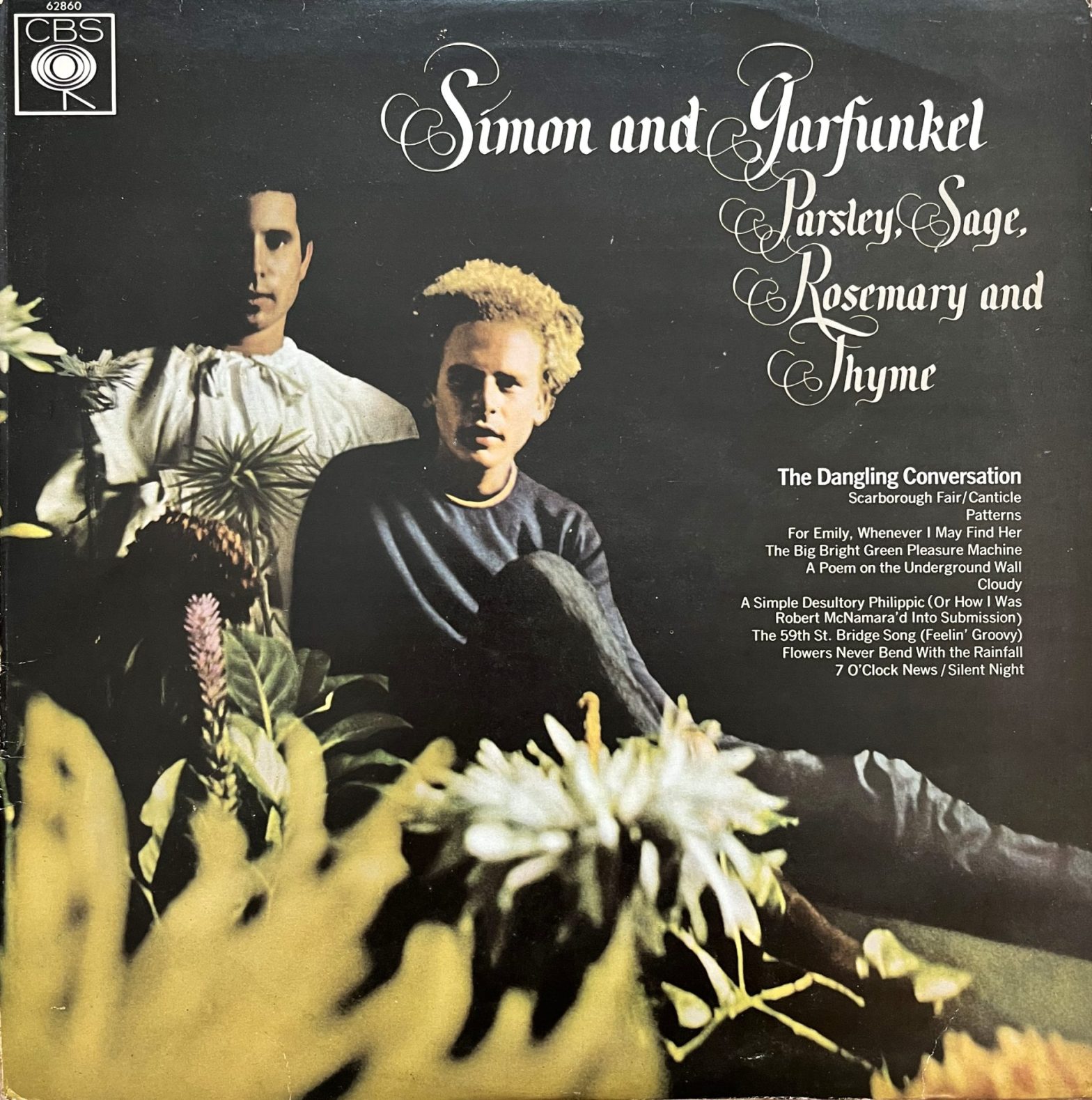

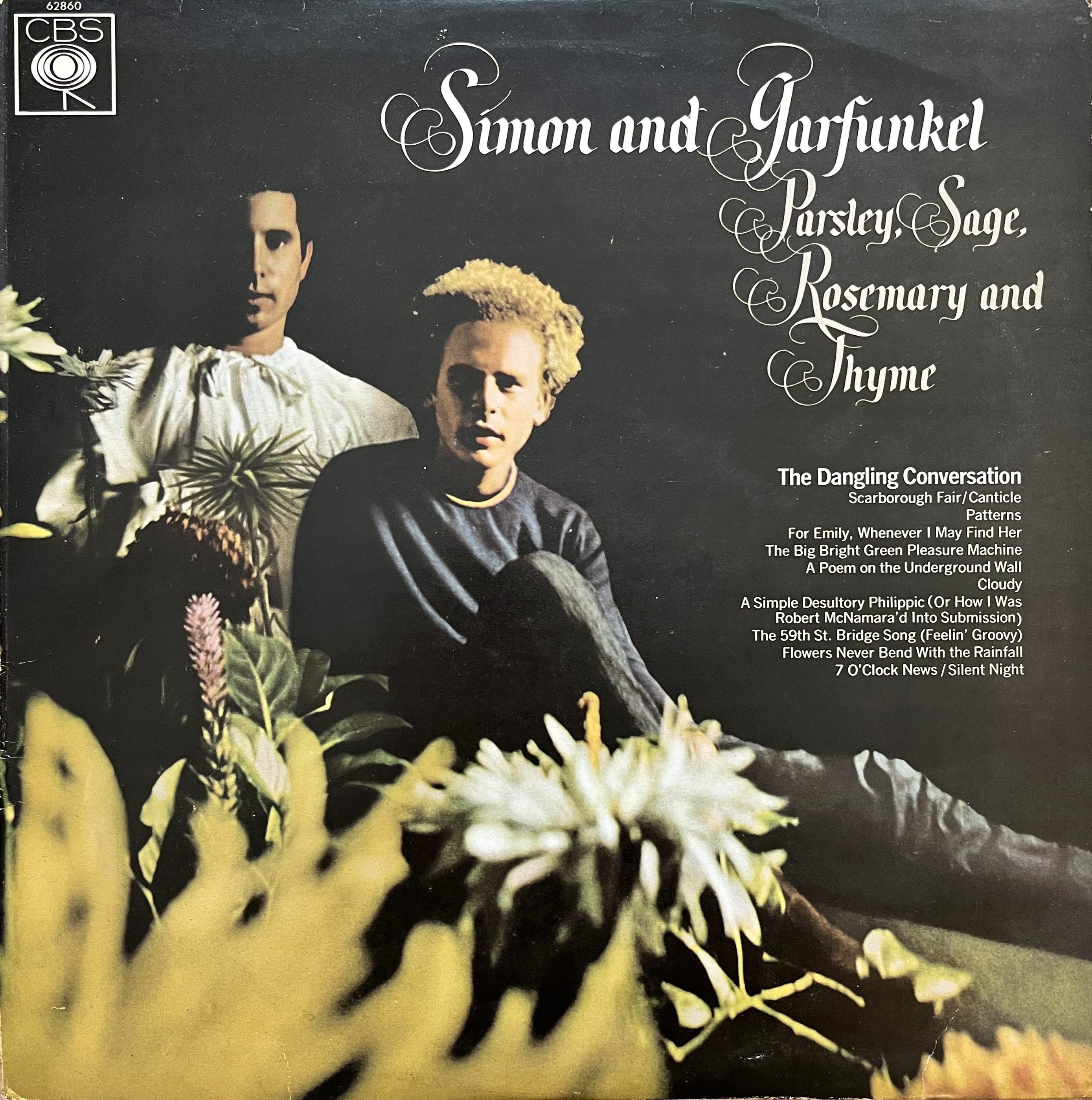


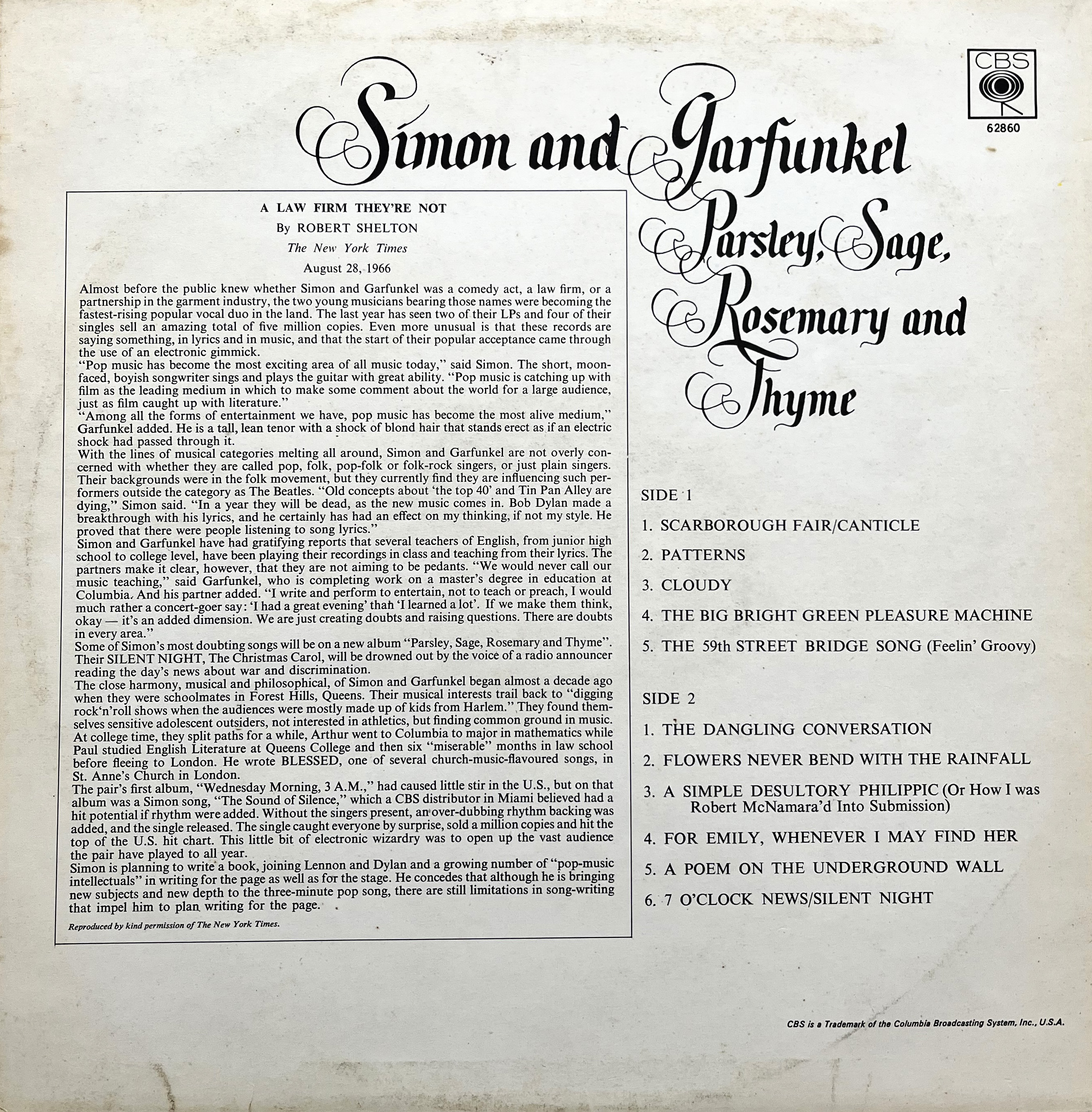


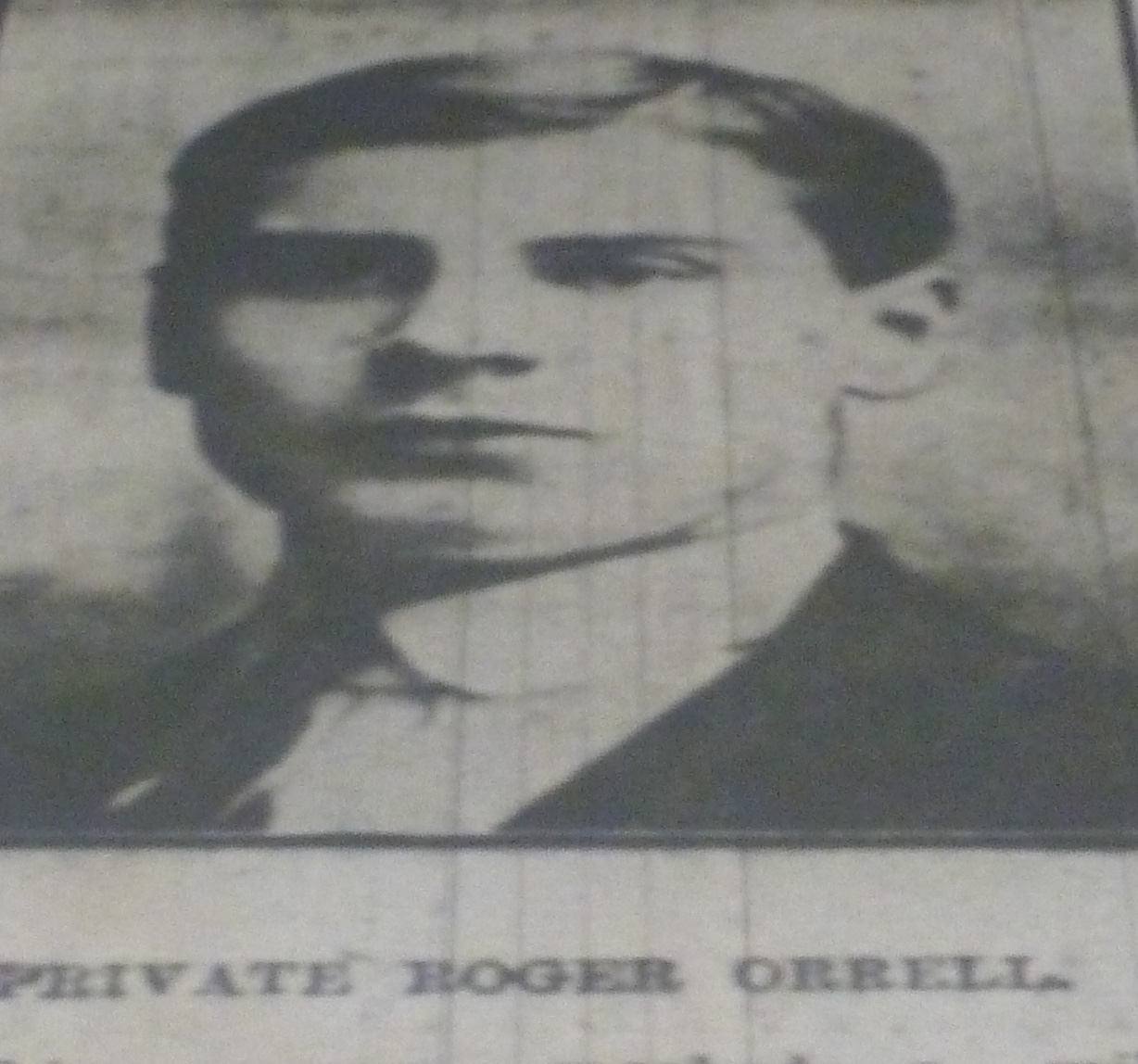


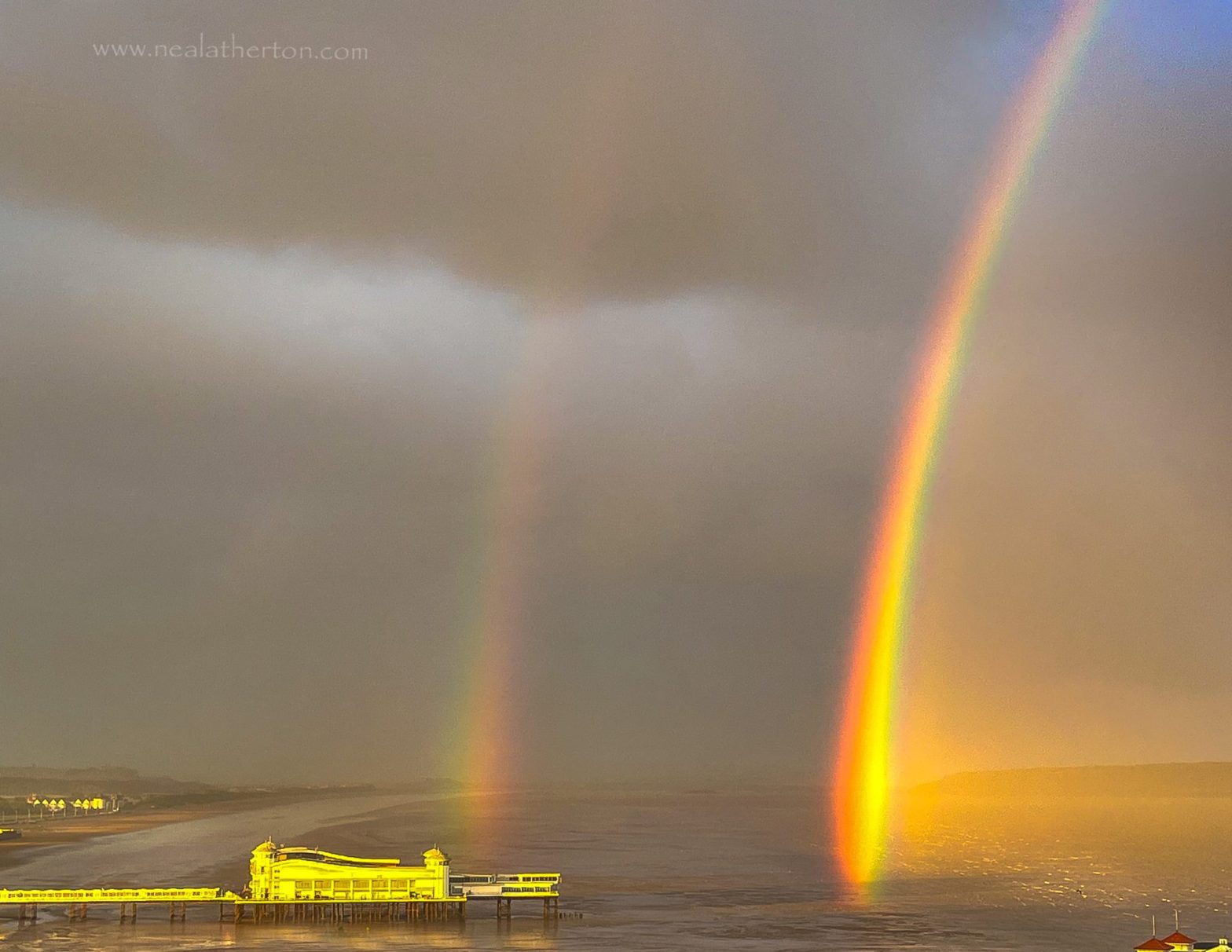


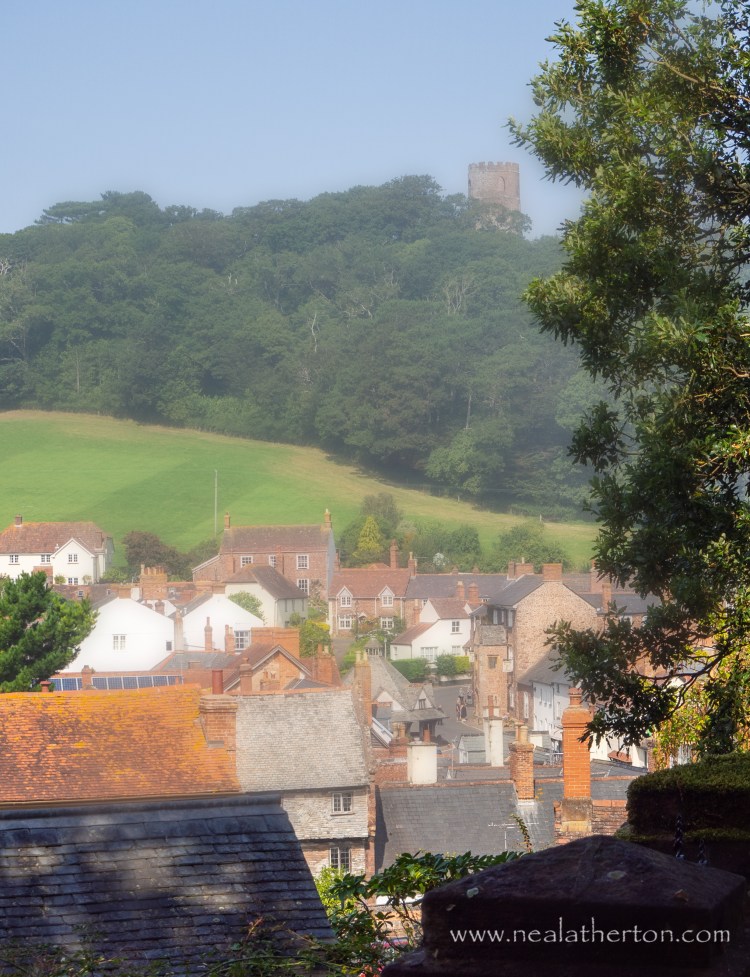



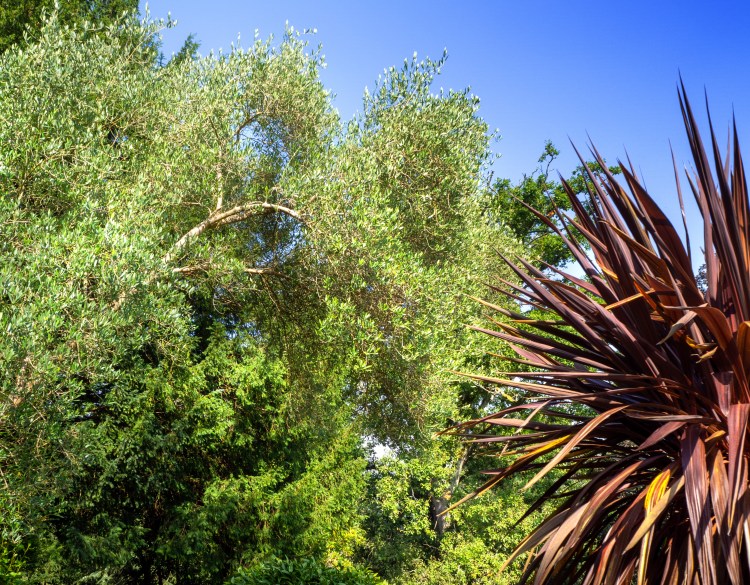



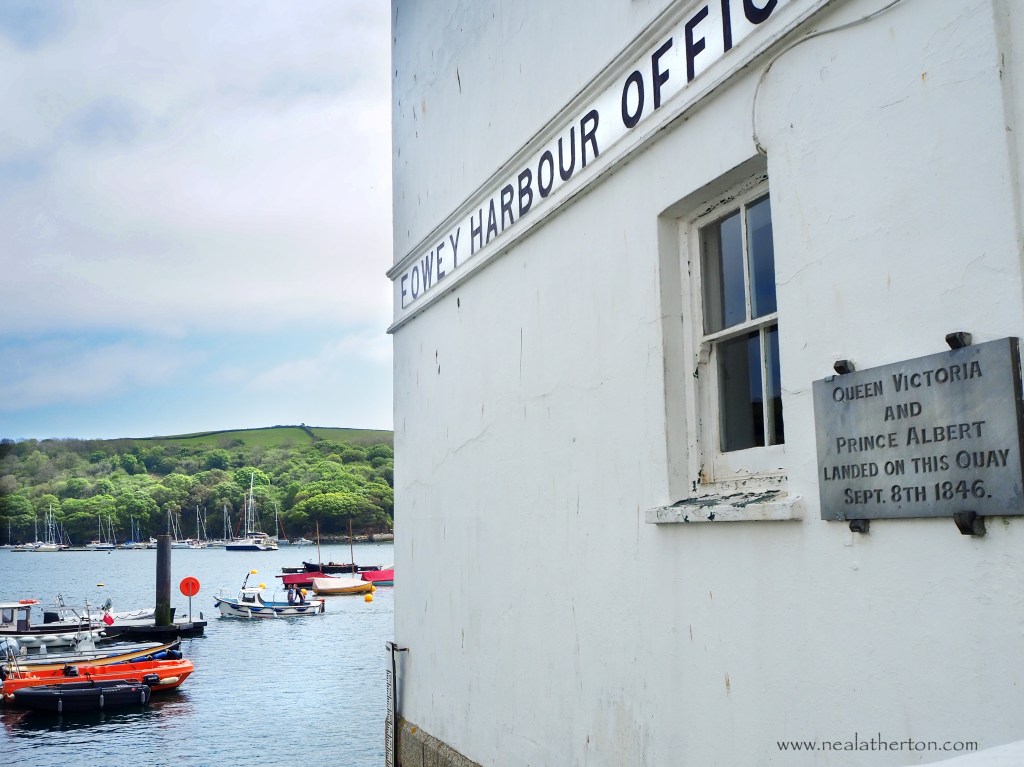


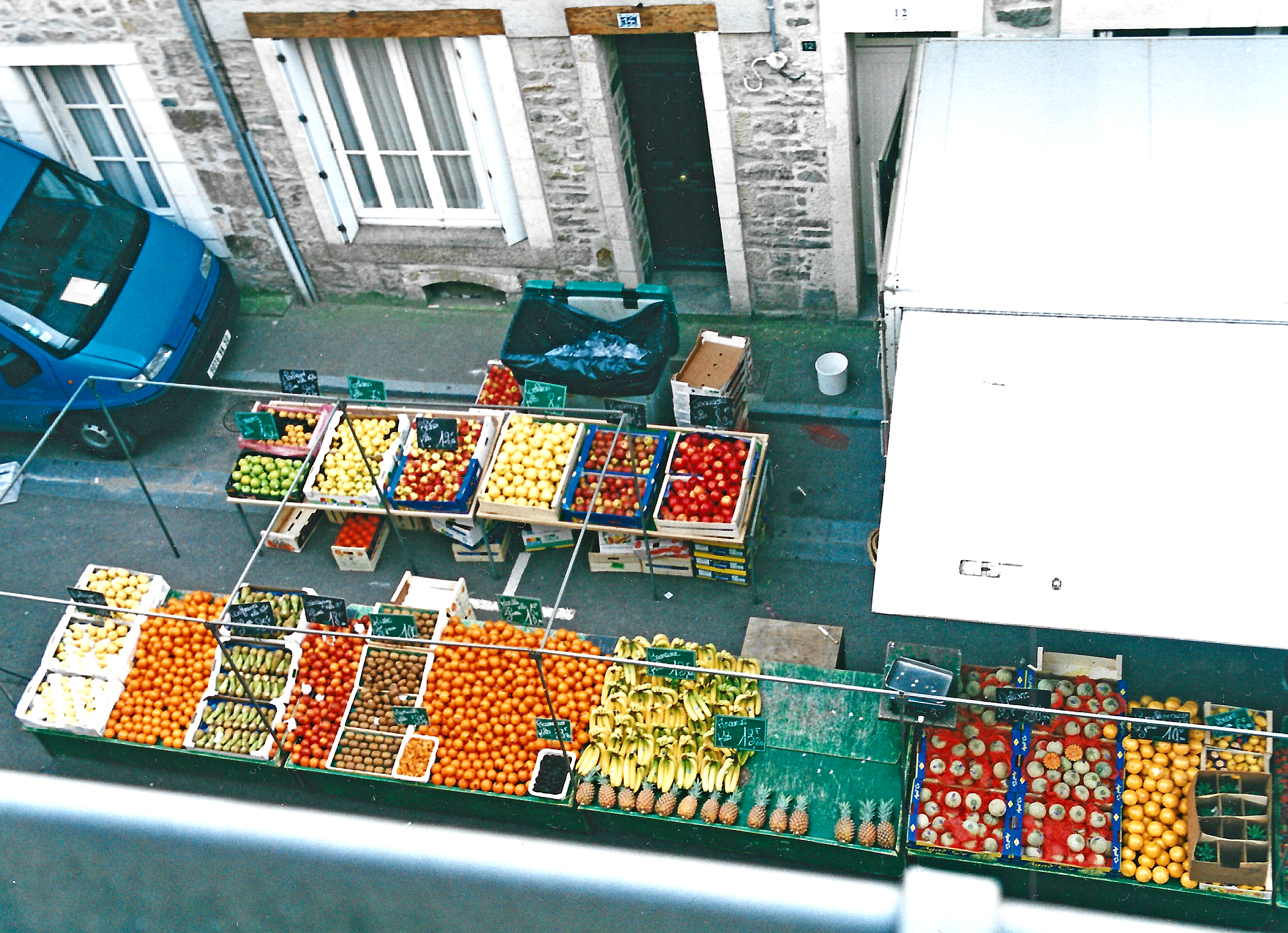

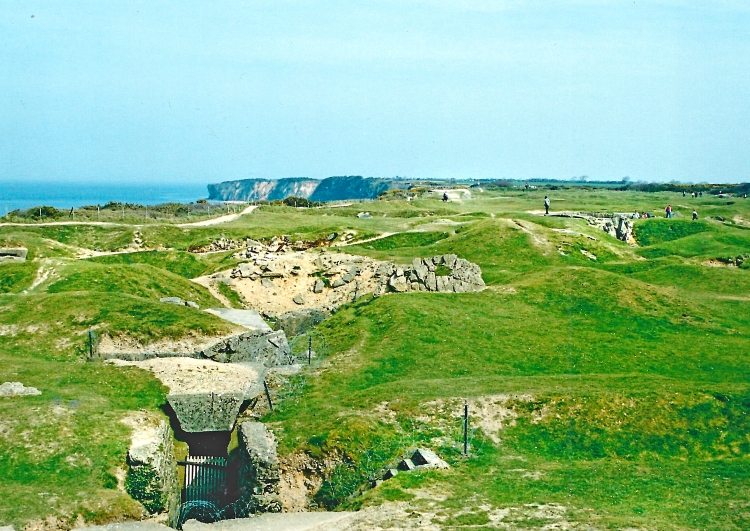



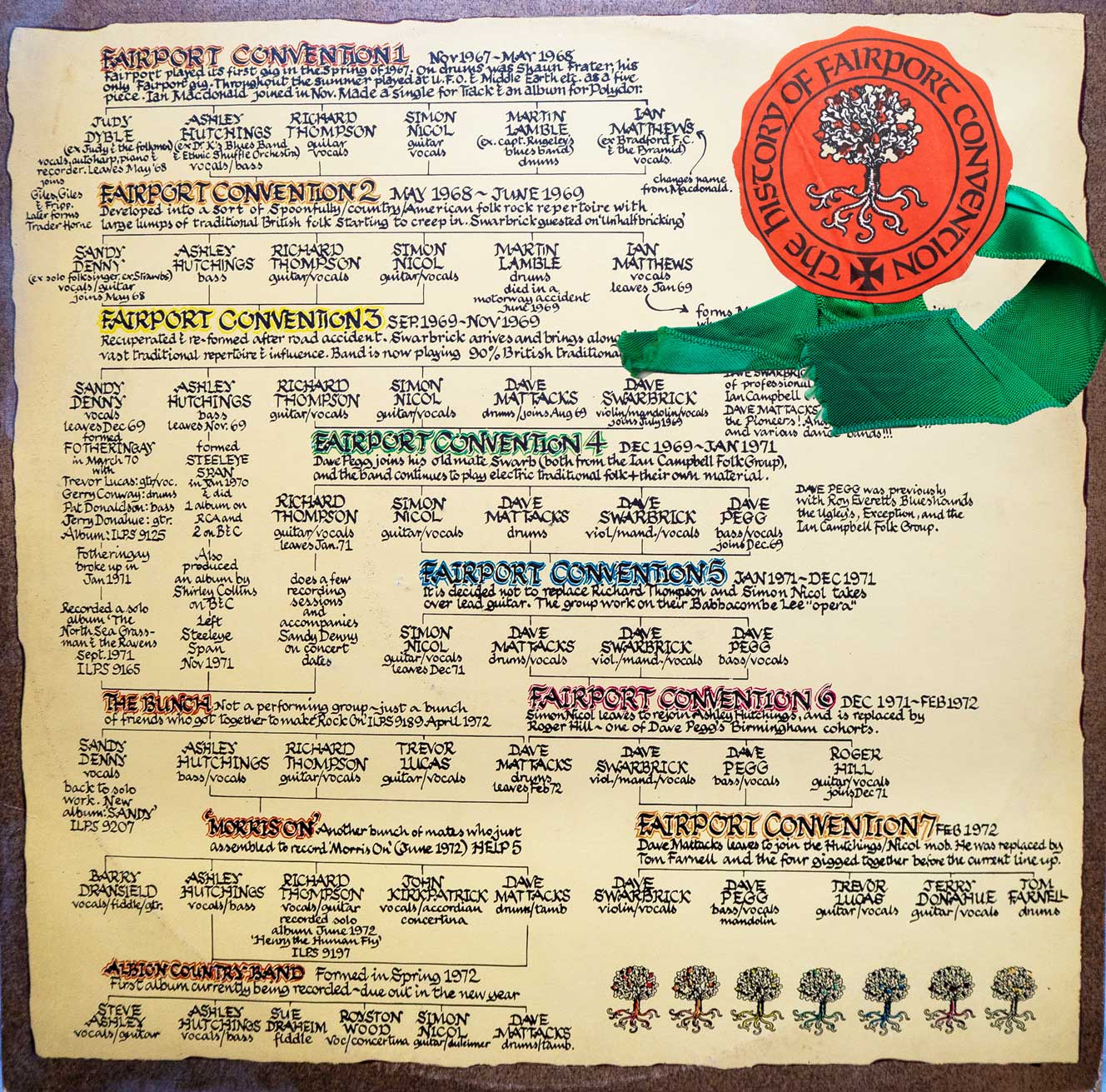
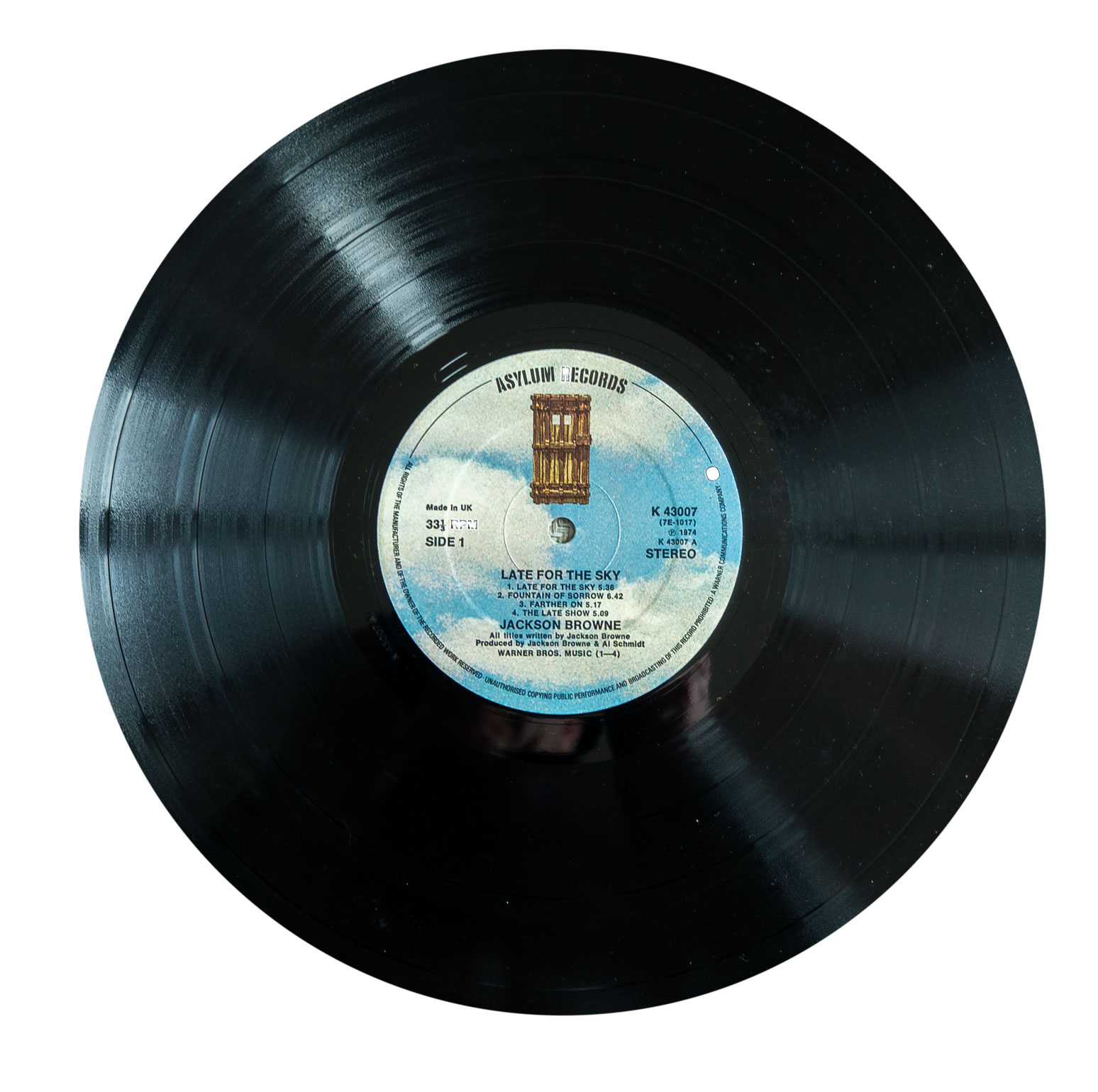
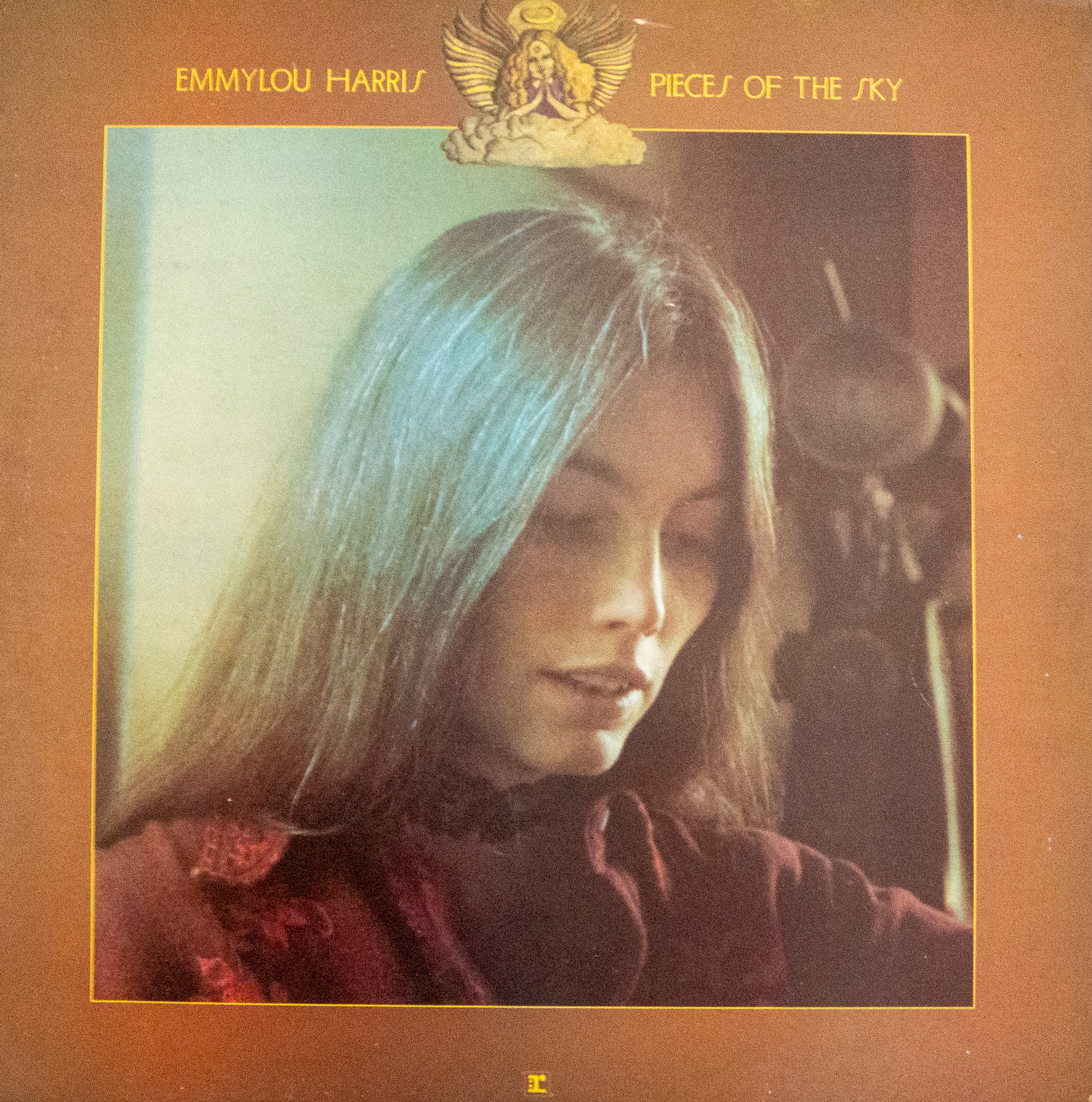
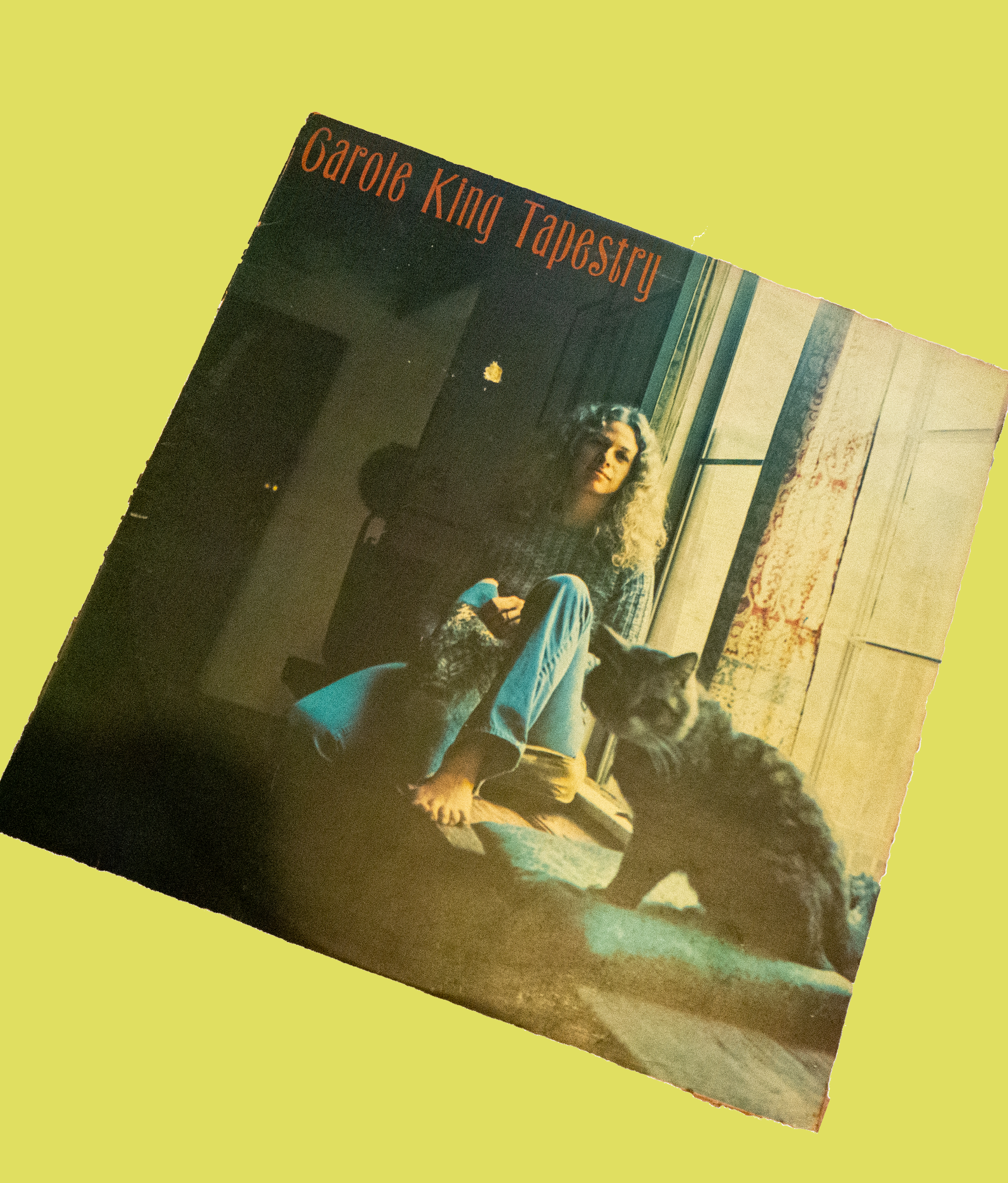

 French Travel Books - France, Paris, Provence & French Food & Wine
Leave a comment