Please Enjoy my Travel, Music & Ancestry Books on Amazon – FREE on Kindle Unlimited https://bit.ly/bookneal
This excerpt is from my forthcoming French travel book, the fifth in my Series of French travel memoirs. Please enjoy and the book will be released in the spring. It will take you on a tour of France from Calais to the South and back through Brittany and Normandy.
Arifat Bed and Breakfast in medieval Cordes
It is time to move on, and this time to a new region for us – Lot et Garonne.
Our destination was the town of Cordes Cur Ciel, and our visit coincided with the nearing completion of the astonishing bridge, the Millau Viaduct. The earthworks and operational area for the bridge extended for miles around the site. It forced a slight detour as we came down from the height we had travelled on to wind our way carefully down into the valley below. This incredible feat of engineering, one of the most astonishing in the world, spans nearly 2500 metres above the valley below. As we travelled around the construction area, we felt exceedingly small indeed, sharing the area with some enormous construction vehicles. The road deck is suspended around 250 metres above the ground. I recall watching a documentary on the construction process, marvelling at how they actually pushed the road deck out from the end of the bridge into the void to traverse the viaduct piers. It is amazing engineering and a shared design of the English architect Norman Foster. It would be a few years before we had the opportunity to travel over the viaduct, which we did heading north up to the Loire valley. Niamh does not recall it at all – she had her eyes firmly closed as I drove across. I also barely recall the view as I just kept my eyes on the road, it is a long way down if you manage to crash over the side, but on reflection I think the safety features would have prevented that.
We eventually made our way to Rodez and on to Cordes as the rain started to pour down. Little did we know that it would not stop for the entire length of our three days stay. I was attracted to a beautiful property called Aurifat situated just outside the ancient walls, with a view overlooking the valley below. Standing at a viewpoint below the property you get a real understanding of the multi floored medieval property. It sits well with the old town architecture framing the backdrop behind the house. Cordes, with its ancient narrow streets, is a special challenge for a car driver. Eventually I threaded our way through to Aurifat and carefully took the car down to a parking space. The property has changed hands since our visit and now has Dutch owners who have maintained its fine reputation. Ian Wanklyn and his wife Penelope were the charming owners at the time we visited. They greeted us hospitably and urged us to get out from the driving rain and into our cosy room for the stay.
Ian and Penelope are comfortable hosts, not intrusive, but always available to ease your way into a new area of France. They show us the kitchen that is available for the use of guests. Hopefully we can use this later but just now the torrential rain is intruding into this summer kitchen and a stout pair of wellingtons may be needed to cook my fish supper. At least I can keep the wine above water.
Sadly, the rain will not stop at all for the three days we spend at Aurifat. Our visit to Albi, that beautiful, colourful cathedral town is curtailed by our being soaked, even under a substantial umbrella. Exploring Cordes is done by dashing from shop or restaurant doorways, but you could argue the rain adds to the atmosphere of this ancient town. We manage a couple of visits to wine makers, producers who are getting increasingly concerned with the potential damage being inflicted by this extraordinary, extended downpour. We find one activity that will give pleasure when we get back home. At the end of the drive to Aurifat there is a large, mature walnut tree. Under its spreading bows we can shelter, taking the opportunity to gather as many walnuts as we can. A large boxful is filled and as long as we can dry these, and keep them dry, they will be much appreciated back home in England.
As we peer through our steamed-up car windows the region does seem to be a very interesting area, one that is crying out to be explored. We do have accept defeat on this trip however, one day we will return, and explore this region when it is no longer under water.
A stormy day on Cordes-sur-Ciel
On our final rain-soaked day we endeavour to make a final attempt to take in the fascinating architecture and character of Cordes. As the rain penetrates every part of our skin, through completely sodden clothes, it is obvious we must get inside. At least the rain is warm, hot almost and there is the possibility it will steam dry when indoors. Being after twelve noon it seems the sensible thing to find a place to eat and enjoy a fine bottle of local wine. There must be a final compensation to this somewhat ruined visit to this historical area. We shall not be beaten. Cordes sur Ciel is home to a fine gastronomic restaurant – Le Grand Ecuyer. This is the flagship restaurant of Yves Thuriès, a giant of French cuisine. This restaurant leads the way in the region and regularly entertains celebrities, prime ministers, and even English royalty. Sadly, I do not feel it will be serving us today. I am inclined not to make an inevitably large puddle in such an eminent establishment. Fortunately, Yves Thuriès also owns a bistro in Cordes. Hostellerie du Vieux Cordes – I do feel they may allow us to dry by the fire. The narrow streets, running freely with streams of water, eventually lead to this bistro. We crash through the door seeking shelter and feel very intrusive and inappropriately attired for what is, although a bistro, undoubtedly an upmarket one. Our cagoules do indeed with remarkable rapidity leave a shining expanse of water in the foyer.
‘Do you have a table for two?’ I ask, expecting to be shown the door rather than get an answer in the affirmative.
‘Of course, Monsieur’. Follow me.
For a bistro the establishment is very well presented. If this is his bistro, how fine is the main restaurant? Glad we did not risk desecrating that one. The maître d’ shows us to a large, very large, round table, sort of King Arthur style and size. Niamh I can see in the distance, opposite me on the other side of this vast structure. I cannot imagine what we look like, tiny dots at the vast table, still dripping water onto a beautiful carpet and now to cap it all a gathering cloud of steam above our heads. Oh, and my glasses are steamed up – where is the menu?
But, we are slowly starting to dry off. The food of course is cooked to order, giving us more time to disperse the water from our bodies. By the time it arrives we are almost comfortable. The food as you would expect is extraordinary, fine local produce cooked to perfection and presented with immaculate aplomb. At last, it has been worth the long journey and the endurance we have shown in the face if this almost Biblical storm of the last three days. The best though is yet to come – the dessert. Our charming waiter explains that the chocolate fondant with crème anglaise will take around thirty minutes to prepare and cook to a state of complete perfection. Although he didn’t add the last part it does apply to the dish presented to me half an hour later. We have eaten often and well of the produce found all around this wonderful country. Memorable as many dishes have been there is occasionally something that forces its way to the top of the charts as regards the best dishes you have ever eaten. This was one of those and so extraordinary fine was it that I feel on reflection it has never lost the top spot. As we all know chocolate fondant is the easiest way to crash and burn in the kitchen. It takes a special talent to get it to perfection. Now that I was almost dry, I was able to fully appreciate this moment. Cordes – we will come again even if you send another downpour on me.
During our meal the dining room had filled up with a large party of elderly diners. The ‘facilities’ here were down some steep winding stairs that we could see from our vast circular vantage point. They were well used. Still to this day Niamh and I are convinced and still smile about being convinced that we counted one less back up than went down. Will we ever stop people watching? Probably not.
There is a perverse curtain call to our stay in Cordes. As we left the town to journey on, there was an amazing sky stretching out in front of us. From the dry enclosure looking out at the torrential rain crashing onto our windscreen you could see the end of the pitch-black clouds. Beyond the cloud line was a bright blue ribbon of sky on the horizon. We reached the edge of the region and as we crossed into the Langudeoc before heading North the rain stopped. A few miles farther on and the straight edge of the cloud canopy was passed, the sun burst through, and we never saw another cloud for over a week. This bizarre few days display of natural forces gave way as if by magic to the most wonderful summer weather. Just what we expected in the Lot as well, but the visit was still memorable.
It always seems a shame to just head home, that mad dash to Calais and the ferry that so many English tourists seem to take to end their stay in France. Rather let us take our time as travel through Brittany and along the Normandy coast, reaching Calais refreshed and well satisfied with our grand tour of France. The drive up through France to Brittany is a pleasant one, taking in some high-level pasture and occasional signs of past volcanic activity. In fact, there is a grand stopping point on the Autoroute where you can have a panoramic view of the Auvergne volcanoes. You find this by pulling into the Aire des Volcans d’Auvergne on the A71 just noreth of Clemont-Ferrand. Beats Newport Pagnall anyday. It is an expansive landscape and one to put in the memory bank for a future visit. Driving north on the western side of France the roads are relatively quiet and delays virtually unheard of.
Please Enjoy my Travel, Music & Ancestry Books on Amazon – FREE on Kindle Unlimited https://bit.ly/bookneal
Please Enjoy my Travel, Music & Ancestry Books on Amazon – FREE on Kindle Unlimited https://bit.ly/bookneal
Taken from my NEW book now on Amazon in Hardback, Paperback & Kindle
OUT NOW on Amazon for Kindle, Kindle Unlimited, paperback & hardback
Peaceful Trelly in the Manche region of Normandy
Normandy
Our first trip to France coincided with a change to my company car, almost to the very day. It is a long story but for a time I had been using a spare company vehicle after having, shall we say, a few misfortunes with my own allotted vehicle. Anyway, it was time to choose a brand new one and having done so, checked the delivery schedule, we looked set to make our first visit abroad in a lovely shiny new car. That was the plan anyway.
Needless to say, my car was trapped in some endless production line somewhere in Europe and information was impossible to come by. In the week coming up to our trip, I resorted in desperation to calling the transportation company scheduled to bring the car from the port to the retail garage. Finally, I got somewhere, some information that my disinterested dealer could not find. Again, to cut a long story short, the car was to arrive at the main dealer in Leeds, Yorkshire on the afternoon before we were due to travel. We had used this dealer, which was inconveniently a difficult 70-mile drive from home, because they gave the best trade in value on the unloved staff car I had been using. Sometimes you get what you pay for and clearly customer service was one of the optional extras mentioned in the small print.
However, I finally arrived home the proud owner of a beautiful new car, a travelling companion that would eventually do more than 40,000 miles around the regions of France, with just one stutter along the way. That is a story for later in the book, but it was quite a stutter. So, arriving home around 8pm we were finally all packed and ready to go, but it had been a close-run thing, especially as we had to be on our way by 2 am to drive down to Portsmouth for the early morning ferry to Cherbourg. The delay with the car meant that we could not do the sensible thing of taking an overnight stay close to the ferry port. From a purely selfish point of view, it also meant I had to put my own diesel in the car as the company supply was closed when I got back home. You remember petty things like that, particularly when you know that expense would have been better spent on another long French lunch. Such ingratitude! I am a generous soul really.
The dawn chorus was just thinking about making an appearance when we started our approach to the ferry terminal at Portsmouth. It was then that I realized why my mouth had gone so dry and my hands were shaking. I had not got the faintest idea of how to proceed to the ferry and an embarrassed fear set in. Where on earth do I go – what lane do I take? So focused had I been on the car situation that I had not even looked properly at the tickets to ascertain which operator we were travelling with. Fortunately, at this early hour the port was almost deserted, so I had time to stop, blocking a lane, assess what I was doing, and where to go. I eventually arrived at what turned out to be the correct operator booth and handed my ticket to the pleasant but sleepy young lady who was looking down on me from high above.
I had though made the mistake of going to a booth that was really for coaches and lorries, but she humoured me, and obviously there was no way I could turn round or reverse around the pantechnicon hugging the paintwork at the rear of my car. Fortunately, I could not see the driver, but I assume there was some vigorous shaking of the head going on. She asked me for the registration number of my vehicle, but she might just as well have asked me to explain the theory of relativity. I said I had just picked up the car from the dealer and implied with Northern humour subtlety as to how on earth she would expect me to know. Only one thing for it – get out and have a look at the front of the car and trust I could remember it during the few yards back to the booth. I did not raise my head to look at the driver behind who no doubt was being frustratingly delayed in getting his full English breakfast. I suppose if I had time to think rationally, I could have looked at the paperwork in the glovebox, but you just don’t think do you? The young lady gave me this complicated thing to hang on my mirror so that we would be directed to the correct ship, but I was all fingers and thumbs and never was good at DIY, so I threw it at my wife Niamh to sort out, drove off, and the bottleneck of lorries was released. I learnt an exceptionally fine lesson that morning and one that I would always follow as our travels developed in their complexity.
From that first debacle at the ferry port, I now always do my research. In the future I would always know where I was going and what I had to do when travelling. I particularly enjoy researching our plans and it saves a lot of potential embarrassment – not all, but most. I got so proficient in knowing how things worked in France that I was happy to share that with others who were making similar trips. A good friend of mine asked about how to use the toll booths on the French autoroutes. I was happy to explain to him how to hand over his euros or use his credit card to be able to proceed. On his first, and as it turned out his only car journey to France, he got to his first Autoroute toll, then blanked out completely and ended up just parking the car in front of one of the large concrete buttresses at the tolls. A gendarme eventually came over and instead of arresting him took pity on him and showed the way forward. Maybe it was the way I explained it, but I do know he has never taken his car to France again but only returned there on the Eurostar.
Once at Cherbourg I then had the perils of driving on the ‘wrong side of the road.’ I have to say I was terrified as the massive ferry doors opened to disgorge us from this cavernous space. Now after many years it is such a familiar and routine thing for me to do, but the first time was to put it mildly – a bit of a worry. My sensible plan was just to follow someone else for as long as I could. In reality, driving in France was not something I needed to be overly concerned about. Once we had escaped the port area and easily picked up the route we required, it was comforting to find that the roads were impossibly quiet compared to the UK. You had time to think and driving actually became a pleasure. Driving in France over the years always has been fun and satisfying. There is time to take in the scenery, stopping when you wish, and generally park your car freely. Touring France became one of our great pleasures in life and still is.
Our first destination on the continent was to Saint Vaast la Hougue at its delightful hotel – Hotel de France Restaurant les Fuchsias. This hotel and restaurant had and still does have a fine reputation, particularly for the food on offer. We were destined to arrive early having made good time so far on the journey and so decided to call in at the little fishing port of Barfleur on the eastern side of the Cotentin Peninsula. From there it would be just a short journey on to Saint Vaast. The early April day was bitterly cold, in fact it was close to freezing with a raw wind coming into the harbour from the east. We had expected it to be just a little milder, we were not overly prepared for such low temperatures, but I managed to persuade Niamh that the little port village – our very first experience of one of Les Plus Beaux Villages de France – was worth braving the Siberian cold. The hard granite buildings of the port made it feel and appear even colder than it was. The water in the harbour would not have sustained your life for long should you have fallen from the unprotected sea wall. Barfleur has a fascinating history. It was the starting port for the invasion of Britain and the subsequent battle of Hastings in 1066. It was also the scene of a great sea battle that finally destroyed the hopes of King James the II of England in his bid to regain his throne.
For a small settlement of this size Barfleur has played an astonishingly significant role in the history of England. Some fifty-four years after William the Conqueror set sail to claim the throne of England a great tragedy unfolded on the rocks around the port of Barfleur. It was a shipwreck – The White Ship. It was said of that devastating night that ‘No ship ever brought so much misery to England.’ The pristine new ship Blanche-Nef sank just beyond the harbour, impaled on the infamous Quillebeuf reef. It was not the loss of the ship that was so devastating to England, but the tragedy suffered by the human cargo on board, the flower of England’s up and coming youth, along with a vast array of the nobles of England. Worst of all, the heir to the throne of Henry I of England, his son Prince William, was lost in the wreck. The story is a fascinating one. It is redolent of images that could be imagined today, of youths on a rowdy night out, drinking more than is good for anyone, but stepping into a vehicle to inevitable doom. King Henry had been offered this ship for his own passage, all showroom new and modern, but he had already given his word to travel on another vessel. He left the harbour before the White Ship and arrived safely home. He allowed his excited, headstrong son to travel with his friends and entourage on this fabulous, sleek, pristine vessel, on its maiden voyage after being stunningly crafted for an owner who descended directly from the Conqueror. To have such Royal patronage was a prestigious bonus. For Prince William and his lively companions, a good night out was called for before attempting to catch up with his father travelling in his modest, slow but reliable craft. From all accounts all in the party were fully inebriated by the time they boarded the White Ship and the revelries continued on board. More importantly the crew had also been willing participants in the alcoholic generosity of Prince William. Some sober passengers wisely disembarked along with an extremely ill cousin of William, young Stephen of Blois who needed to be no more than a few paces from a bathroom, in no condition to sail. His good fortune in missing the boat comes back to haunt all England in years to come.
The riotous company on board are brought back to sobriety within minutes when the glorious White Ship is torn apart on the reef, travelling at tremendous speed on a wrong course set by the drunken captain. Prince William is initially saved on the only boat available, but, hearing the cries of his sister he orders the craft back to the sinking vessel. His small craft is overwhelmed by desperate, drowning passengers seeking safety and Prince William is swept away. His body is never found. There is only one survivor, a butcher named Bertold from Rouen. He had been pursuing debts owed to him by the nobles in Henry’s entourage, following them all the way from Rouen onto the boat before being stranded on it as it sailed out of port. The shipwreck ripped the heart out of the English nobility and caused a crisis regarding the heir to King Henry. Stephen of Blois, whose need of the toilet had saved him, ultimately takes the throne despite the rightful heir being nominated as Henry’s daughter. This sets off a vicious time of civil war in England and ferocious atrocities are carried out during this time of anarchy before Stephen finally dies. The uncertainty continued after his death and all this because of a drunken night out by headstrong youths.
Outside this infamous harbour there are still natural mussel banks in the waters off the coast, providing the bounty of the Moules de Barfleur. The mussels are harvested from small boats from the harbour at Barfleur. These particular seasonal mussels are known as ‘Barfleur blondes’ and have been allocated for some years now the quality charter ‘Moule de Barfleur Normandie Fraîcheur Mer.’ Just like French wine they have their own appellation, and this is something you will find distinguishes local produce all over France. From chickens to cheese and everything in between. The French will always put a label on quality and regional excellence. Sadly, this is not a time for contemplation of French produce or French regional architecture. It is mind numbingly cold here and made worse by the wind whipping across the undeniably attractive harbour at Barfleur.
Niamh has all the historical facts she needs from me and so we head to the sanctuary of the car. The heater and heated seats are immediately turned up to full volume. We just hope that the weather turns at least a few degrees warmer, allowing us to enjoy Normandy out in the open and not from inside the shelter of a warm car. Even in darkest Lancashire I would never expect to encounter such cold in April. We head to our hotel in Saint Vaast – Hotel de France Restaurant les Fuchsias. This is a lovely, very French hotel, not grand but homely and authentic – and yes there is an abundance of fuchsias around the building. We are shown to our room which is across a rear garden courtyard area that blooms with some hardy spring bluebells. The accommodation is quite separate from the main building which houses the restaurant, Les Fuchias. It has to be said the room is not really shabby chic, rather shabbier than chic. It is spotlessly clean though and has all we need but clearly getting to the point where a makeover is required. The view back over the garden from the first-floor room makes it feel as if you are surrounded by garden allotments. We look forward to enjoying some produce from this very local garden served in the restaurant in the evening. The view from the front of the room is onto the main street in Saint Vaast.
We will find the next morning it is a lively and popular street on a Saturday morning. Finding as many warm clothes as possible from our limited supply and despite the bitter cold, we head out into the town and port of Saint Vaast to explore our new unfamiliar surroundings. If you have read some of my other writings, you will know that I love to cook, and my favourite produce is fish and seafood. For that reason, we head to the harbour and port, an enterprise that is still commercially active. Possibly a lot of the fish is Cornish, but that is for others to argue the rights and wrongs over, as we know today that battle is still disputed over. I always find these quaysides fascinating and have great admiration for these hardy souls who risk their lives out on the ocean providing this wonderful fresh produce. It is a hard living, and the rewards are difficult and unpredictable to come by, but a port like Saint Vaast and others on the Normandy coast have a long and proud relationship with the sea. Alongside the fishing port there is a sizeable marina displaying that sailing is a serious activity here. The harbour of Saint Vaast is an extremely desirable and attractive location to moor a craft. The fishing boats docked on the quayside have their support trades including fishmongers occupying the buildings lining the quay.
Opposite these buildings, on staging pontoons stretching from the other side of the harbour, the yachts and pleasure craft are moored. Berthed on a stone jetty from the quayside, fishing boats are located, and this leads the eye to a small lighthouse at the harbour entrance. Beyond the harbour wall there is an island called Tatihou which sounds like it should be out in the Pacific Ocean. Our old friend from previous escorted travels, Vauban the architect of Louis XIV, created the Tour Vauban de la Hougue on the island. He was responsible, as he was throughout France, for strengthening port defences. At low tide you can reach the island on foot or by an amphibious vehicle. You will see the oyster beds of the prized local delicacy that grows slowly in these rich pure waters of the Contentin coast.
We extended our stroll in the numbing cold to an exposed area where there is a small chapel – La Chapelle des Marins or Chapel of the Sailors. This chapel is the choir of the old church of Saint-Vaast-la-Hougue originally built in the 11th Century. In the early 1700’s a square tower was added on the south side, embellished with a modest spire. In 1805, the parish priest added a side nave, also a chapel on the north side and had a sacristy built. Today, this chapel is dedicated to the sailors, the fishermen who are always in peril at sea. This is brought home to you by the many commemorative plaques dedicated to these men. It is a quiet reflective place that impels you to have a moment of meditation about how the produce you love can cost the ultimate price. As we make our way back to the hotel down the fishing quay we come to a small well equipped and modern fishing boat. The name seems quaint as we try to pronounce it – Cachalot (CASH – A – LOT). Oh, I get it now, CATCH – A – LOT. A little French joke on the Cornish perhaps. Mmm, very funny.
Feeling refreshed after a hot shower, but hungry, we make our way down to Les Fuchsias dining room. It is richly elegant, the tablecloths are crisp, the glasses and cutlery beautifully polished and of course some fresh flowers are on the tables. The welcome is a little stiff and formal but efficient. This is not a Michelin star restaurant, but you feel it has pretentions in that direction. Unusually at this early time of around 7pm the French clientele are already in their seats and the dining room is full. The atmosphere is still a little reserved and conversation is quiet and stilted but it does loosen up considerably as the meal progresses and the wine flows. I can only describe the clientele as a little bourgeoisie, it is a room composed of people who like fine dining, they dress appropriately. It is not that we feel underdressed as we have made quite an effort considering our poor Lancastrian peasant background but there are some expensive dresses and suits in here with a few dazzling embellishments on the ladies. This is our first taste of how the French really take going out for a meal extremely seriously. In England we tend to dress down for most things these days but that is not the case here. An evening meal in a restaurant for the French is to be savoured, you should look your best. They certainly do here.
The exquisitely dressed lady at the next table catches your eye with her beautifully tailored dress and exquisite pearl necklace. It is only after you have taken that in that you notice there is sitting on her lap the most perfectly presented small Pekinese dog. It is not the red bow in its hair that surprises you but the fact that it is there at all. This is something else we will have to get used to in France. The meal is a delight, and we accompany the beautiful fresh dish of John Dory with a fine bottle of Sancerre. The dessert course is a work of art, an unbelievably delicious one of millefeuille with the freshest of fruit accompaniment. With an Armagnac to finish, after a long day of travelling and seeing new sights we are happy to call it a day to now sleep soundly. Well, we slept soundly but only for a fixed amount of time.
My bleary-eyed look at my watch did indeed confirm that the tremendous clash of steel against steel has taken place at 5am. Hoping that it is safe to peer through the curtains I take a glance into the half-light outside. This is our first experience of a French market, and it will not be the last time we are roused from our beds when this sacred tradition of French life is enacted outside our bedroom window. I am not going to complain, and I never will as we will grow to love French markets, starting from today. The street is a hive of frantic activity and that in itself is quite unusual in France. A host of white vans are disgorging every conceivable type of fresh produce and household goods including of course that fixture on a French market – a mattress stall. There are no concessions to the sleeping inhabitants of the surrounding houses as the boisterous chatter from the stallholders combines with the noise from erecting the stalls. As early as 7am there are local customers, well-worn bag in hand, arriving at the market to be first to buy the prime produce on display. Immediately below our bedroom window is a large fruit and vegetable stall that takes up the entire width of the street.
It is a colourful display that looks like a breakfast buffet set up just for us. Looking over the rooftops down the main street of Saint Vaast you can see the full extent of this sprawling market. The air is damp and cold and rising from a section of stalls there is a blanket of steam that exaggerates just how cold the morning is. These stalls of course are hosted by the vendors of roast chicken and potatoes, a display that is an ever-present pleasure to behold and taste on a French market. We are a little behind the locals in getting to the market despite it starting just outside our hotel bedroom – I could almost have stepped out into the street. After a buffet breakfast of limited choice but constructed with quality ingredients we stroll out into the now bustling town. French markets are irresistible to us even in the intense cold of this early April morning. Sadly, we are not self-catering on this trip. Despite the superb range of produce on offer we must pass it all by and feel a little embarrassed in accepting regular samples from the enthusiastic vendors. The stalls are set up right outside the shops that permanently trade in the town and some of the stalls are selling exactly the same range of products as the shop they have built their stall in front of. Perhaps that is why this type of market is so uncommon in England. I doubt many shopkeepers back home would take a tolerant view of a competitor blocking their shop front and entrance for a few hours on a couple of days a week.
A cultural difference that we happily get used to. There is a store in Saint Vaast that certainly must be affected to a degree on market days as it sells such a wide range of goods. It is a remarkable shop to find in such a relatively small town. One of the finest stores you will find anywhere outside of Paris, La Maison Gosselin is reminiscent of Fortnum and Masons in London but not quite on such a grand scale. They are basically an épicerie selling fine foods and wine with an array packaged beautifully for a thoughtful gift for friends and family. The range of goods extends widely and eclectically into kitchenware, toys, and perfume but it is the superb range of quality edible produce that makes this such a gorgeous place to browse. It is very much like a provincial version of Harrod’s food hall. If you are lucky, you may catch sight of the vintage delivery van on the streets of Saint Vaast. It is a step back in time to see all these fine foods with the traditions of the past respected and brought right up to date. It is an unexpected find in this area of France, a store that could easily be placed centre stage on a boulevard in Paris.
Other shops on the main street of Saint Vaast also raise their game in the retail stakes, encouraged no doubt by the example of M. Gosselin. Close by is the most attractive of butchers called Villeneuve with its lovely period wooden store front. The displays are extensive with a vast range of prime cuts of meat, sourced of course as locally as possible. None of their produce is alive thankfully, although that extra fresh condition is available on the market stalls. The area is famed for the rich pastureland and the quality of the meat reflects that. Salt marsh lamb is a speciality and not to be missed if you are a meat lover when you encounter it on a restaurant menu here in Normandy. As is customary in such a boucherie as Villeneuve you will find a range of the finest charcuterie and dairy products. Another feature that every self-respecting establishment of this type would always have outside the store is a chicken rotisserie. The one here is going at full steam and packed with succulent roast chicken, the fragrant juices dripping slowly to be absorbed into the potatoes cooking below. The shop owner is determined to match the efforts of the interlopers on the market but as always on market days there are enough customers for everyone, not a single chicken will go unsold.
Normandy is famous for the bounty that it produces, the quality is as high as it has ever been. In the times of the occupation during WWII Normandy was still able to keep a supply of wonderful produce going into Paris, either by traditional methods or more commonly illegal, black-market ones. The city was thankful but reliant on the green pastures of this land for sustaining them through those appalling times. Everyone in Paris wanted to claim they had a relative in Normandy that would filter such produce into the capital and provide safe cover for illegal purchases. To balance all this fine meat-based produce available either fresh from the boucherie or pre-prepared, exquisitely packaged in M. Gosselin, there are displays of the finest fruit and vegetables to delight the most fastidious of vegetarians or vegans. I feel slightly overwhelmed to be in a small town away from any large conurbation offering a bewildering array of fine things out of all proportion to the apparent modest status of the place. The contrast with England could not be more striking. That contrast extends to the seafront where the boats have returned after a night spent on the freezing choppy waters of the channel.
We cannot resist paying another visit to the quayside to observe this scene of urgent activity. Here there is more furious work enacted to compete with the bustling town and market that we can still hear is in full flow behind the harbour. Fish of the highest and freshest of quality is being unloaded, energetically, and noisily, by these tired fishermen who are concerned with getting their catch ashore and on sale as soon as possible. All along the quay are lines of white vans ready to speed the produce away to market. No doubt some will be on a restaurant menu in Paris today, maybe even by lunchtime. One or two townsfolk have gathered to buy some fish straight off the boat from an obliging fisherman. Again, I am so jealous of their ability to be able to source such produce simply a stone’s throw from their home. I will always find a visit to a French market exhilarating and even more so if I can buy some fresh produce to cook later. Sadly, not today.
The main theme of our visit to this part of Normandy will be historical and I will come to the events of D-Day relating to the beaches in more detail when we head to the conclusion of our French tour. I love history and I am particularly intrigued by the times of the occupation of France and the events surrounding the liberation. So, with lovely markets and shops, great food and wine in the restaurants, plus all the history of this part of France, I am in my element. It is an ideal place to start our independent travels in France. Before I get too engrossed in the impact of D-Day there is one event that occurred around that day close to our base here in Saint Vaast that I must share before we move on. It took place at a small commune called Sainte-Mère-Église, located just down the coast from Saint Vaast, coming inland from Utah beach.
Sainte-Mère-Église was the first town liberated by the allies and is as good a place as any to start a tour of the places of historical D-Day significance. It also makes a valid claim to be a must visit town because of an extraordinary event that took place there during a massive allied drop of paratroopers in the early hours of that fateful day of June 6th. The brave operation was varied in its initial success, lacking coordination, with many men and units becoming widely separated. However, despite suffering significant losses the American troops finally succeeded in taking the town on the night of June 6th, 1944. The town itself though was in danger of being burnt to the ground when a dominant property in the town square caught fire. The townsfolk bravely formed a human chain to get buckets of water to the scene and eventually the fire was contained preventing much more acute damage to the town. All this was done despite the threatening gunfire from the German garrison who were ordering the people back to their homes.
Sainte-Mère-Église as you may be aware, especially if you are an American reader, owes its fame not for this dramatic battle for the town, or for being the first liberated place in France, nor indeed for the bravery of the townspeople. It owes its fame to one man, a paratrooper named John Steele who was an onlooker witnessing all the drama and firefight that took place in the town that night. In fact, he had the finest possible vantage point although he would not have seen it in that light on that night. Private John Steele, paratrooper in 82nd Airborne Division, was helplessly hanging by his parachute from the church tower high above the square. As the bullets were flying around below him and explosions from the artillery crashed all around, he could only helplessly dangle on his perch, exposed to not only the elements, but in mortal danger from any stray bullet or mortar. Like many of his comrades he had been dropped in error directly over the village. John Steele despite his incredibly dangerous position was one of the fortunate ones as the paratroopers were easy targets for the German ground troops. Many from his battalion did not survive the night.
John Steele, despite being wounded in the foot, played dead by staying as still as possible for over two hours before the Germans eventually took him down, thinking they were just retrieving a body. Had he shown signs of life during the battle he would have been shot. In fact, he owed his life to two of his comrades. One had also been left hanging by his parachute some metres below him. The other had landed in front of the church and was shot by a German immediately he descended to the street. Believing the young sergeant to be dead the German turned his gun up to the other two helpless Americans. The paratrooper he had shot was not dead and summoned enough strength to draw his gun and kill the German before he could fire at the two paratroopers. It was the young man’s last act as he fell to the ground and died, having undoubtedly saved his comrades. The other man managed to cut his strings and release himself to the ground and escape, believing the motionless John Steele to be dead. John Steele having been taken into captivity still managed to escape from the Germans that night and returned to his regiment. He continued his service throughout Normandy and on into Germany, surviving the war.
When you visit the town, you will be drawn to the most dominant feature in the square, an effigy of John Steele, complete with parachute, hanging from the church. Apparently, it is on the wrong side of the building, but its position is better placed for tourists. There is an Auberge in the town named after him and an entire industry of memorabilia keeps many a local in euros. It is an extraordinary story and the bravery and courage under fire of John Steele has become legendary through the book and film ‘The Longest Day. John Steele, although able to bask in the fame of these exploits, did not have a happy life afterwards and died quite young from cancer. He also never mentioned his other two colleagues which would have rounded out the story and there is some controversy that lingers to this day about why he took all the attention, including being feted at the release of the film. Ultimately, his was the more interesting story, he was the one left in position on the church. Nobody remembers who was second, but the full story including the bravery of his comrades is being told today and we can look at it in more accurate detail now, rather than relying on the Hollywood version of events.
Please Enjoy my Travel, Music & Ancestry Books on Amazon – FREE on Kindle Unlimited https://bit.ly/bookneal
Taken from my NEW book now on Amazon in Hardback, Paperback & Kindle
OUT NOW on Amazon for Kindle, Kindle Unlimited, paperback & hardback
Peaceful Trelly in the Manche region of Normandy
Normandy
Our first trip to France coincided with a change to my company car, almost to the very day. It is a long story but for a time I had been using a spare company vehicle after having, shall we say, a few misfortunes with my own allotted vehicle. Anyway, it was time to choose a brand new one and having done so, checked the delivery schedule, we looked set to make our first visit abroad in a lovely shiny new car. That was the plan anyway.
Needless to say, my car was trapped in some endless production line somewhere in Europe and information was impossible to come by. In the week coming up to our trip, I resorted in desperation to calling the transportation company scheduled to bring the car from the port to the retail garage. Finally, I got somewhere, some information that my disinterested dealer could not find. Again, to cut a long story short, the car was to arrive at the main dealer in Leeds, Yorkshire on the afternoon before we were due to travel. We had used this dealer, which was inconveniently a difficult 70-mile drive from home, because they gave the best trade in value on the unloved staff car I had been using. Sometimes you get what you pay for and clearly customer service was one of the optional extras mentioned in the small print.
However, I finally arrived home the proud owner of a beautiful new car, a travelling companion that would eventually do more than 40,000 miles around the regions of France, with just one stutter along the way. That is a story for later in the book, but it was quite a stutter. So, arriving home around 8pm we were finally all packed and ready to go, but it had been a close-run thing, especially as we had to be on our way by 2 am to drive down to Portsmouth for the early morning ferry to Cherbourg. The delay with the car meant that we could not do the sensible thing of taking an overnight stay close to the ferry port. From a purely selfish point of view, it also meant I had to put my own diesel in the car as the company supply was closed when I got back home. You remember petty things like that, particularly when you know that expense would have been better spent on another long French lunch. Such ingratitude! I am a generous soul really.
The dawn chorus was just thinking about making an appearance when we started our approach to the ferry terminal at Portsmouth. It was then that I realized why my mouth had gone so dry and my hands were shaking. I had not got the faintest idea of how to proceed to the ferry and an embarrassed fear set in. Where on earth do I go – what lane do I take? So focused had I been on the car situation that I had not even looked properly at the tickets to ascertain which operator we were travelling with. Fortunately, at this early hour the port was almost deserted, so I had time to stop, blocking a lane, assess what I was doing, and where to go. I eventually arrived at what turned out to be the correct operator booth and handed my ticket to the pleasant but sleepy young lady who was looking down on me from high above.
I had though made the mistake of going to a booth that was really for coaches and lorries, but she humoured me, and obviously there was no way I could turn round or reverse around the pantechnicon hugging the paintwork at the rear of my car. Fortunately, I could not see the driver, but I assume there was some vigorous shaking of the head going on. She asked me for the registration number of my vehicle, but she might just as well have asked me to explain the theory of relativity. I said I had just picked up the car from the dealer and implied with Northern humour subtlety as to how on earth she would expect me to know. Only one thing for it – get out and have a look at the front of the car and trust I could remember it during the few yards back to the booth. I did not raise my head to look at the driver behind who no doubt was being frustratingly delayed in getting his full English breakfast. I suppose if I had time to think rationally, I could have looked at the paperwork in the glovebox, but you just don’t think do you? The young lady gave me this complicated thing to hang on my mirror so that we would be directed to the correct ship, but I was all fingers and thumbs and never was good at DIY, so I threw it at my wife Niamh to sort out, drove off, and the bottleneck of lorries was released. I learnt an exceptionally fine lesson that morning and one that I would always follow as our travels developed in their complexity.
From that first debacle at the ferry port, I now always do my research. In the future I would always know where I was going and what I had to do when travelling. I particularly enjoy researching our plans and it saves a lot of potential embarrassment – not all, but most. I got so proficient in knowing how things worked in France that I was happy to share that with others who were making similar trips. A good friend of mine asked about how to use the toll booths on the French autoroutes. I was happy to explain to him how to hand over his euros or use his credit card to be able to proceed. On his first, and as it turned out his only car journey to France, he got to his first Autoroute toll, then blanked out completely and ended up just parking the car in front of one of the large concrete buttresses at the tolls. A gendarme eventually came over and instead of arresting him took pity on him and showed the way forward. Maybe it was the way I explained it, but I do know he has never taken his car to France again but only returned there on the Eurostar.
Once at Cherbourg I then had the perils of driving on the ‘wrong side of the road.’ I have to say I was terrified as the massive ferry doors opened to disgorge us from this cavernous space. Now after many years it is such a familiar and routine thing for me to do, but the first time was to put it mildly – a bit of a worry. My sensible plan was just to follow someone else for as long as I could. In reality, driving in France was not something I needed to be overly concerned about. Once we had escaped the port area and easily picked up the route we required, it was comforting to find that the roads were impossibly quiet compared to the UK. You had time to think and driving actually became a pleasure. Driving in France over the years always has been fun and satisfying. There is time to take in the scenery, stopping when you wish, and generally park your car freely. Touring France became one of our great pleasures in life and still is.
Our first destination on the continent was to Saint Vaast la Hougue at its delightful hotel – Hotel de France Restaurant les Fuchsias. This hotel and restaurant had and still does have a fine reputation, particularly for the food on offer. We were destined to arrive early having made good time so far on the journey and so decided to call in at the little fishing port of Barfleur on the eastern side of the Cotentin Peninsula. From there it would be just a short journey on to Saint Vaast. The early April day was bitterly cold, in fact it was close to freezing with a raw wind coming into the harbour from the east. We had expected it to be just a little milder, we were not overly prepared for such low temperatures, but I managed to persuade Niamh that the little port village – our very first experience of one of Les Plus Beaux Villages de France – was worth braving the Siberian cold. The hard granite buildings of the port made it feel and appear even colder than it was. The water in the harbour would not have sustained your life for long should you have fallen from the unprotected sea wall. Barfleur has a fascinating history. It was the starting port for the invasion of Britain and the subsequent battle of Hastings in 1066. It was also the scene of a great sea battle that finally destroyed the hopes of King James the II of England in his bid to regain his throne.
For a small settlement of this size Barfleur has played an astonishingly significant role in the history of England. Some fifty-four years after William the Conqueror set sail to claim the throne of England a great tragedy unfolded on the rocks around the port of Barfleur. It was a shipwreck – The White Ship. It was said of that devastating night that ‘No ship ever brought so much misery to England.’ The pristine new ship Blanche-Nef sank just beyond the harbour, impaled on the infamous Quillebeuf reef. It was not the loss of the ship that was so devastating to England, but the tragedy suffered by the human cargo on board, the flower of England’s up and coming youth, along with a vast array of the nobles of England. Worst of all, the heir to the throne of Henry I of England, his son Prince William, was lost in the wreck. The story is a fascinating one. It is redolent of images that could be imagined today, of youths on a rowdy night out, drinking more than is good for anyone, but stepping into a vehicle to inevitable doom. King Henry had been offered this ship for his own passage, all showroom new and modern, but he had already given his word to travel on another vessel. He left the harbour before the White Ship and arrived safely home. He allowed his excited, headstrong son to travel with his friends and entourage on this fabulous, sleek, pristine vessel, on its maiden voyage after being stunningly crafted for an owner who descended directly from the Conqueror. To have such Royal patronage was a prestigious bonus. For Prince William and his lively companions, a good night out was called for before attempting to catch up with his father travelling in his modest, slow but reliable craft. From all accounts all in the party were fully inebriated by the time they boarded the White Ship and the revelries continued on board. More importantly the crew had also been willing participants in the alcoholic generosity of Prince William. Some sober passengers wisely disembarked along with an extremely ill cousin of William, young Stephen of Blois who needed to be no more than a few paces from a bathroom, in no condition to sail. His good fortune in missing the boat comes back to haunt all England in years to come.
The riotous company on board are brought back to sobriety within minutes when the glorious White Ship is torn apart on the reef, travelling at tremendous speed on a wrong course set by the drunken captain. Prince William is initially saved on the only boat available, but, hearing the cries of his sister he orders the craft back to the sinking vessel. His small craft is overwhelmed by desperate, drowning passengers seeking safety and Prince William is swept away. His body is never found. There is only one survivor, a butcher named Bertold from Rouen. He had been pursuing debts owed to him by the nobles in Henry’s entourage, following them all the way from Rouen onto the boat before being stranded on it as it sailed out of port. The shipwreck ripped the heart out of the English nobility and caused a crisis regarding the heir to King Henry. Stephen of Blois, whose need of the toilet had saved him, ultimately takes the throne despite the rightful heir being nominated as Henry’s daughter. This sets off a vicious time of civil war in England and ferocious atrocities are carried out during this time of anarchy before Stephen finally dies. The uncertainty continued after his death and all this because of a drunken night out by headstrong youths.
Outside this infamous harbour there are still natural mussel banks in the waters off the coast, providing the bounty of the Moules de Barfleur. The mussels are harvested from small boats from the harbour at Barfleur. These particular seasonal mussels are known as ‘Barfleur blondes’ and have been allocated for some years now the quality charter ‘Moule de Barfleur Normandie Fraîcheur Mer.’ Just like French wine they have their own appellation, and this is something you will find distinguishes local produce all over France. From chickens to cheese and everything in between. The French will always put a label on quality and regional excellence. Sadly, this is not a time for contemplation of French produce or French regional architecture. It is mind numbingly cold here and made worse by the wind whipping across the undeniably attractive harbour at Barfleur.
Niamh has all the historical facts she needs from me and so we head to the sanctuary of the car. The heater and heated seats are immediately turned up to full volume. We just hope that the weather turns at least a few degrees warmer, allowing us to enjoy Normandy out in the open and not from inside the shelter of a warm car. Even in darkest Lancashire I would never expect to encounter such cold in April. We head to our hotel in Saint Vaast – Hotel de France Restaurant les Fuchsias. This is a lovely, very French hotel, not grand but homely and authentic – and yes there is an abundance of fuchsias around the building. We are shown to our room which is across a rear garden courtyard area that blooms with some hardy spring bluebells. The accommodation is quite separate from the main building which houses the restaurant, Les Fuchias. It has to be said the room is not really shabby chic, rather shabbier than chic. It is spotlessly clean though and has all we need but clearly getting to the point where a makeover is required. The view back over the garden from the first-floor room makes it feel as if you are surrounded by garden allotments. We look forward to enjoying some produce from this very local garden served in the restaurant in the evening. The view from the front of the room is onto the main street in Saint Vaast.
We will find the next morning it is a lively and popular street on a Saturday morning. Finding as many warm clothes as possible from our limited supply and despite the bitter cold, we head out into the town and port of Saint Vaast to explore our new unfamiliar surroundings. If you have read some of my other writings, you will know that I love to cook, and my favourite produce is fish and seafood. For that reason, we head to the harbour and port, an enterprise that is still commercially active. Possibly a lot of the fish is Cornish, but that is for others to argue the rights and wrongs over, as we know today that battle is still disputed over. I always find these quaysides fascinating and have great admiration for these hardy souls who risk their lives out on the ocean providing this wonderful fresh produce. It is a hard living, and the rewards are difficult and unpredictable to come by, but a port like Saint Vaast and others on the Normandy coast have a long and proud relationship with the sea. Alongside the fishing port there is a sizeable marina displaying that sailing is a serious activity here. The harbour of Saint Vaast is an extremely desirable and attractive location to moor a craft. The fishing boats docked on the quayside have their support trades including fishmongers occupying the buildings lining the quay.
Opposite these buildings, on staging pontoons stretching from the other side of the harbour, the yachts and pleasure craft are moored. Berthed on a stone jetty from the quayside, fishing boats are located, and this leads the eye to a small lighthouse at the harbour entrance. Beyond the harbour wall there is an island called Tatihou which sounds like it should be out in the Pacific Ocean. Our old friend from previous escorted travels, Vauban the architect of Louis XIV, created the Tour Vauban de la Hougue on the island. He was responsible, as he was throughout France, for strengthening port defences. At low tide you can reach the island on foot or by an amphibious vehicle. You will see the oyster beds of the prized local delicacy that grows slowly in these rich pure waters of the Contentin coast.
We extended our stroll in the numbing cold to an exposed area where there is a small chapel – La Chapelle des Marins or Chapel of the Sailors. This chapel is the choir of the old church of Saint-Vaast-la-Hougue originally built in the 11th Century. In the early 1700’s a square tower was added on the south side, embellished with a modest spire. In 1805, the parish priest added a side nave, also a chapel on the north side and had a sacristy built. Today, this chapel is dedicated to the sailors, the fishermen who are always in peril at sea. This is brought home to you by the many commemorative plaques dedicated to these men. It is a quiet reflective place that impels you to have a moment of meditation about how the produce you love can cost the ultimate price. As we make our way back to the hotel down the fishing quay we come to a small well equipped and modern fishing boat. The name seems quaint as we try to pronounce it – Cachalot (CASH – A – LOT). Oh, I get it now, CATCH – A – LOT. A little French joke on the Cornish perhaps. Mmm, very funny.
Feeling refreshed after a hot shower, but hungry, we make our way down to Les Fuchsias dining room. It is richly elegant, the tablecloths are crisp, the glasses and cutlery beautifully polished and of course some fresh flowers are on the tables. The welcome is a little stiff and formal but efficient. This is not a Michelin star restaurant, but you feel it has pretentions in that direction. Unusually at this early time of around 7pm the French clientele are already in their seats and the dining room is full. The atmosphere is still a little reserved and conversation is quiet and stilted but it does loosen up considerably as the meal progresses and the wine flows. I can only describe the clientele as a little bourgeoisie, it is a room composed of people who like fine dining, they dress appropriately. It is not that we feel underdressed as we have made quite an effort considering our poor Lancastrian peasant background but there are some expensive dresses and suits in here with a few dazzling embellishments on the ladies. This is our first taste of how the French really take going out for a meal extremely seriously. In England we tend to dress down for most things these days but that is not the case here. An evening meal in a restaurant for the French is to be savoured, you should look your best. They certainly do here.
The exquisitely dressed lady at the next table catches your eye with her beautifully tailored dress and exquisite pearl necklace. It is only after you have taken that in that you notice there is sitting on her lap the most perfectly presented small Pekinese dog. It is not the red bow in its hair that surprises you but the fact that it is there at all. This is something else we will have to get used to in France. The meal is a delight, and we accompany the beautiful fresh dish of John Dory with a fine bottle of Sancerre. The dessert course is a work of art, an unbelievably delicious one of millefeuille with the freshest of fruit accompaniment. With an Armagnac to finish, after a long day of travelling and seeing new sights we are happy to call it a day to now sleep soundly. Well, we slept soundly but only for a fixed amount of time.
My bleary-eyed look at my watch did indeed confirm that the tremendous clash of steel against steel has taken place at 5am. Hoping that it is safe to peer through the curtains I take a glance into the half-light outside. This is our first experience of a French market, and it will not be the last time we are roused from our beds when this sacred tradition of French life is enacted outside our bedroom window. I am not going to complain, and I never will as we will grow to love French markets, starting from today. The street is a hive of frantic activity and that in itself is quite unusual in France. A host of white vans are disgorging every conceivable type of fresh produce and household goods including of course that fixture on a French market – a mattress stall. There are no concessions to the sleeping inhabitants of the surrounding houses as the boisterous chatter from the stallholders combines with the noise from erecting the stalls. As early as 7am there are local customers, well-worn bag in hand, arriving at the market to be first to buy the prime produce on display. Immediately below our bedroom window is a large fruit and vegetable stall that takes up the entire width of the street.
It is a colourful display that looks like a breakfast buffet set up just for us. Looking over the rooftops down the main street of Saint Vaast you can see the full extent of this sprawling market. The air is damp and cold and rising from a section of stalls there is a blanket of steam that exaggerates just how cold the morning is. These stalls of course are hosted by the vendors of roast chicken and potatoes, a display that is an ever-present pleasure to behold and taste on a French market. We are a little behind the locals in getting to the market despite it starting just outside our hotel bedroom – I could almost have stepped out into the street. After a buffet breakfast of limited choice but constructed with quality ingredients we stroll out into the now bustling town. French markets are irresistible to us even in the intense cold of this early April morning. Sadly, we are not self-catering on this trip. Despite the superb range of produce on offer we must pass it all by and feel a little embarrassed in accepting regular samples from the enthusiastic vendors. The stalls are set up right outside the shops that permanently trade in the town and some of the stalls are selling exactly the same range of products as the shop they have built their stall in front of. Perhaps that is why this type of market is so uncommon in England. I doubt many shopkeepers back home would take a tolerant view of a competitor blocking their shop front and entrance for a few hours on a couple of days a week.
A cultural difference that we happily get used to. There is a store in Saint Vaast that certainly must be affected to a degree on market days as it sells such a wide range of goods. It is a remarkable shop to find in such a relatively small town. One of the finest stores you will find anywhere outside of Paris, La Maison Gosselin is reminiscent of Fortnum and Masons in London but not quite on such a grand scale. They are basically an épicerie selling fine foods and wine with an array packaged beautifully for a thoughtful gift for friends and family. The range of goods extends widely and eclectically into kitchenware, toys, and perfume but it is the superb range of quality edible produce that makes this such a gorgeous place to browse. It is very much like a provincial version of Harrod’s food hall. If you are lucky, you may catch sight of the vintage delivery van on the streets of Saint Vaast. It is a step back in time to see all these fine foods with the traditions of the past respected and brought right up to date. It is an unexpected find in this area of France, a store that could easily be placed centre stage on a boulevard in Paris.
Other shops on the main street of Saint Vaast also raise their game in the retail stakes, encouraged no doubt by the example of M. Gosselin. Close by is the most attractive of butchers called Villeneuve with its lovely period wooden store front. The displays are extensive with a vast range of prime cuts of meat, sourced of course as locally as possible. None of their produce is alive thankfully, although that extra fresh condition is available on the market stalls. The area is famed for the rich pastureland and the quality of the meat reflects that. Salt marsh lamb is a speciality and not to be missed if you are a meat lover when you encounter it on a restaurant menu here in Normandy. As is customary in such a boucherie as Villeneuve you will find a range of the finest charcuterie and dairy products. Another feature that every self-respecting establishment of this type would always have outside the store is a chicken rotisserie. The one here is going at full steam and packed with succulent roast chicken, the fragrant juices dripping slowly to be absorbed into the potatoes cooking below. The shop owner is determined to match the efforts of the interlopers on the market but as always on market days there are enough customers for everyone, not a single chicken will go unsold.
Normandy is famous for the bounty that it produces, the quality is as high as it has ever been. In the times of the occupation during WWII Normandy was still able to keep a supply of wonderful produce going into Paris, either by traditional methods or more commonly illegal, black-market ones. The city was thankful but reliant on the green pastures of this land for sustaining them through those appalling times. Everyone in Paris wanted to claim they had a relative in Normandy that would filter such produce into the capital and provide safe cover for illegal purchases. To balance all this fine meat-based produce available either fresh from the boucherie or pre-prepared, exquisitely packaged in M. Gosselin, there are displays of the finest fruit and vegetables to delight the most fastidious of vegetarians or vegans. I feel slightly overwhelmed to be in a small town away from any large conurbation offering a bewildering array of fine things out of all proportion to the apparent modest status of the place. The contrast with England could not be more striking. That contrast extends to the seafront where the boats have returned after a night spent on the freezing choppy waters of the channel.
We cannot resist paying another visit to the quayside to observe this scene of urgent activity. Here there is more furious work enacted to compete with the bustling town and market that we can still hear is in full flow behind the harbour. Fish of the highest and freshest of quality is being unloaded, energetically, and noisily, by these tired fishermen who are concerned with getting their catch ashore and on sale as soon as possible. All along the quay are lines of white vans ready to speed the produce away to market. No doubt some will be on a restaurant menu in Paris today, maybe even by lunchtime. One or two townsfolk have gathered to buy some fish straight off the boat from an obliging fisherman. Again, I am so jealous of their ability to be able to source such produce simply a stone’s throw from their home. I will always find a visit to a French market exhilarating and even more so if I can buy some fresh produce to cook later. Sadly, not today.
The main theme of our visit to this part of Normandy will be historical and I will come to the events of D-Day relating to the beaches in more detail when we head to the conclusion of our French tour. I love history and I am particularly intrigued by the times of the occupation of France and the events surrounding the liberation. So, with lovely markets and shops, great food and wine in the restaurants, plus all the history of this part of France, I am in my element. It is an ideal place to start our independent travels in France. Before I get too engrossed in the impact of D-Day there is one event that occurred around that day close to our base here in Saint Vaast that I must share before we move on. It took place at a small commune called Sainte-Mère-Église, located just down the coast from Saint Vaast, coming inland from Utah beach.
Sainte-Mère-Église was the first town liberated by the allies and is as good a place as any to start a tour of the places of historical D-Day significance. It also makes a valid claim to be a must visit town because of an extraordinary event that took place there during a massive allied drop of paratroopers in the early hours of that fateful day of June 6th. The brave operation was varied in its initial success, lacking coordination, with many men and units becoming widely separated. However, despite suffering significant losses the American troops finally succeeded in taking the town on the night of June 6th, 1944. The town itself though was in danger of being burnt to the ground when a dominant property in the town square caught fire. The townsfolk bravely formed a human chain to get buckets of water to the scene and eventually the fire was contained preventing much more acute damage to the town. All this was done despite the threatening gunfire from the German garrison who were ordering the people back to their homes.
Sainte-Mère-Église as you may be aware, especially if you are an American reader, owes its fame not for this dramatic battle for the town, or for being the first liberated place in France, nor indeed for the bravery of the townspeople. It owes its fame to one man, a paratrooper named John Steele who was an onlooker witnessing all the drama and firefight that took place in the town that night. In fact, he had the finest possible vantage point although he would not have seen it in that light on that night. Private John Steele, paratrooper in 82nd Airborne Division, was helplessly hanging by his parachute from the church tower high above the square. As the bullets were flying around below him and explosions from the artillery crashed all around, he could only helplessly dangle on his perch, exposed to not only the elements, but in mortal danger from any stray bullet or mortar. Like many of his comrades he had been dropped in error directly over the village. John Steele despite his incredibly dangerous position was one of the fortunate ones as the paratroopers were easy targets for the German ground troops. Many from his battalion did not survive the night.
John Steele, despite being wounded in the foot, played dead by staying as still as possible for over two hours before the Germans eventually took him down, thinking they were just retrieving a body. Had he shown signs of life during the battle he would have been shot. In fact, he owed his life to two of his comrades. One had also been left hanging by his parachute some metres below him. The other had landed in front of the church and was shot by a German immediately he descended to the street. Believing the young sergeant to be dead the German turned his gun up to the other two helpless Americans. The paratrooper he had shot was not dead and summoned enough strength to draw his gun and kill the German before he could fire at the two paratroopers. It was the young man’s last act as he fell to the ground and died, having undoubtedly saved his comrades. The other man managed to cut his strings and release himself to the ground and escape, believing the motionless John Steele to be dead. John Steele having been taken into captivity still managed to escape from the Germans that night and returned to his regiment. He continued his service throughout Normandy and on into Germany, surviving the war.
When you visit the town, you will be drawn to the most dominant feature in the square, an effigy of John Steele, complete with parachute, hanging from the church. Apparently, it is on the wrong side of the building, but its position is better placed for tourists. There is an Auberge in the town named after him and an entire industry of memorabilia keeps many a local in euros. It is an extraordinary story and the bravery and courage under fire of John Steele has become legendary through the book and film ‘The Longest Day. John Steele, although able to bask in the fame of these exploits, did not have a happy life afterwards and died quite young from cancer. He also never mentioned his other two colleagues which would have rounded out the story and there is some controversy that lingers to this day about why he took all the attention, including being feted at the release of the film. Ultimately, his was the more interesting story, he was the one left in position on the church. Nobody remembers who was second, but the full story including the bravery of his comrades is being told today and we can look at it in more accurate detail now, rather than relying on the Hollywood version of events.
This destination is one of our favourites – Northern Burgundy. It is a much neglected part of France from a tourist standpoint. To the north is Champagne with its landscape of gently rolling vine covered hillsides. The towns of Champagne are steeped in wine making history and the money coming into the area keeps it looking expensively maintained. It is an area that will always delight but just to the south is a less travelled region that is more warts and all in its presentation. The towns are just that little more untouched and authentic, the countryside rural and pure, not quite manicured to within an inch of its life as in Champagne. It is a region that produces fine wine, wine that other than Chablis rarely reached the supermarkets of the UK. These wines are well worth finding when your car has an empty boot. They are astonishingly good value.
We are going to start this leg of our road trip in a small village in the French department of Côte-d’Or, in Bourgogne-Franche-Comté. When you are asked to name one or two films set in France then the usual suspects come to mind. ‘A Good Year’, ‘Midnight in Paris’, ‘Mr Bean’s Holiday’. If I ever asked the female friends of my wife then they always seemed to come up with ‘Chocolat’, the film based on the novel by English Author Joanne Harris. Starring Johnny Depp, Juliet Binoche and Judi Dench it was a popular addition to the genre. I have to say at the time of our travels I had never seen it of knew anything of the storyline. I certainly was not aware of the film location in France. Flavigny-sur-Ozerain is the setting for Chocolat and that is the village where our bed and breakfast accommodation is located. Somebody told me that film fact by the way, because you would not be aware of it when you are staying there. This rural village is just that and resolutely determined to stay one. There are no indications that it has a claim to fame, no signposts designating the places featured in the film. Certainly, there are no souvenir shops. I doubt you could even buy a bar of Chocolat. This would never be allowed to pass in England. If even an advert is filmed in the smallest of towns or villages in England they would certainly make sure you knew about it. You are absolutely not going to get the T-Shirt in Flavigny-sur-Ozerain.
I cannot say I am disappointed at that. I like my locations in France to stand on their own, keeping their individual charm. Flavigny does not disappoint on first view of the village from the Northern approach road. It looks the quintessential Plus Belle Village de France as you take it in from a distance. I pull the car over on the rise with the village beyond emerging out of the lush green countryside. The dominant feature as is the case in most French villages, however small, is the church spire. Abbaye Saint Joseph de Clairval is a particular stand out example and I should have realized, features in the film. It is a promising first impression.
Entering the village, we make our way slowly along the main street and cannot miss our clearly signed accommodation – L’Ange Souriant on Rue Voltaire. I am writing this in Covid lockdown times and of course most things are closed anyway but I suspect that this establishment is no longer trading which is a shame. It would be one of the most enjoyable places we stayed at in France, despite its modest pretentions. As I have mentioned this an extremely famous village, Hollywood superstar famous. Strangely no one seems to have told it. From entering the village, we have not encountered a soul. The first person we see is our host and then again that is not straight away by any means. She is not around when we arrive, so we have to wait, explore a few side streets winding around the property. Disturbing the slumbers of a couple of cats is the best we can achieve in bonding with the locals. Finally, the lady we are waiting for comes around the corner with her three young children. The school run accomplished she warmly greets us and apologises for not being here for our arrival. She sets the tone for our visit, and we are immediately part of the family.
Her home follows the usual style of furnishing in rural France. In our bedroom large solid chunky furniture dominates our space. Throughout Burgundy and other parts of France it seems that furniture is handed down from generation to generation. Dark wood fixtures may be well out of fashion in England but not here in France and it is always oversized. It is an extremely clean and well cared for space though and the overall atmosphere is homely and generous. Having unpacked we are welcomed into the family space, the owners three children doing their homework. As always in France little excuse is needed to offer a guest a glass of wine and our delightful host continues that tradition with a lovely light Burgundy.
Soon it is time to go in search of food, a typical Burgundy auberge perhaps in another picture-perfect village. We head out through the village gates and into the expanse of countryside beyond. The light is already gently fading with the sun just obscured by the cloud on the horizon. It is a gorgeous view and completely tranquil. As we drive down the narrow lanes and pass-through various villages it becomes readily apparent just how tranquil it actually is. Apart from the odd cat and assorted cattle in a field there is no other sign of life. Despite it being dusk very few lights are flickering in the villages and although there may be an auberge sign or two gently swaying in the breeze the attached restaurants are resolutely closed. So too are any village shops. Except one that we eventually stumble upon after driving around for around an hour. Our French evening meal feast is a couple of slightly past their best chocolate croissants and a bar of chocolate all washed down with a cheeky little half bottle of sauvignon blanc of dubious parentage. Still, being able to gorge on this feast back at the village sat by the church in the deserted town square, peace all around, it is not a bad end to the day.
Flavigny-sur-Ozerain – A quiet corner of Northern Burgundy
We explore a little more on the following morning, but Flavigny is just a pleasant, quiet Burgundian village. There is no ‘Chocolat’ tourist trail, no souvenir shops where you can buy your ‘Chocolat’ Chocolate. It is a village were the local life goes on at its slow unconcerned pace. We saw a man tinkering with a car down a side street at what I presume passes as the local garage. An old lady wanders across the church square to talk to a neighbour. That is about it really. The French do not really do celebrity transformations of their villages and that is the same story throughout Burgundy and much of France. As you tour the Burgundian countryside you pass through so many lovely villages, many are incredibly famous throughout the world. The wine villages around Beaune such as Pommard, Aloxe-Corton, Gevry Chambertain, Vosne-Romanie and so on are names to conjure with. However, when you arrive at these villages there will be just a simple village sign as there is on entering any village in France. These villages have remained small and undeveloped and if you are expecting any sort of fanfare announcing their important status then you will be disappointed. In fact if anything they discourage any additional attention. I for one am happy with that and the countryside of Burgundy remains very unspoilt and is much as it has always been. The only drawback is that because they do not overly put themselves out for the hungry tourist you can find even in summer if a restaurant only opens Wednesday to Sunday, lunch only, then those are the hours and even if there are coachloads of ready customers those hours will not change. Bring a sandwich!
Cycle by the riverside in Noyers Burgundy France
Flavigny does have its charm even if you are a disappointed ‘Chocolat’ tourist, which I am not. The old walls and gateways to the village are well worth seeking out as is the area around the church. Its charm as a filming location is obvious and although a stroll around the village will be uneventful you will encounter one or two villagers and the welcome is friendly. At the entrance to the village is the one claim to fame that the villagers will acknowledge with genuine pride – the Anise of Flavigny shop and manufacturers. It is in the Benedictine Abbey in Flavigny that this tasty little treat has been made since 1591. Always produced according to the same ancient recipe, each individual aniseed is still patiently coated in thin layers of a secret delicately flavoured syrup. To the villagers sharing a sweet with a hidden aniseed at its heart is symbolic of love itself. Having a pedigree going back through more than four centuries of history, this is one of the oldest brands in France. They do last a long time so a couple of their attractive tins for the winter are a welcome addition to any store cupboard or the car glove box. One thing however, even in this shop, you are not going to find and that is a bar of Chocolat Chocolate or a Aniseed Chocolat here in Flavigny. There are no souvenirs to be had of the film location. All the better for it really, we enjoyed the quiet and to wander round the village with my camera was a photographer’s dream – no cars, no people.
Our stay at our chambres d’hôtes here in Flavigny was extremely pleasant and we bid adieu to our host and her charming children following another copious breakfast. At least this was a regular source of food for at least one of our daily meals here in rural Northern Burgundy. Flavigny is a charming village but please bring a packed lunch if you are not coming in July or August.
Please Enjoy my Travel, Music & Ancestry Books on Amazon – FREE on Kindle Unlimited https://bit.ly/bookneal
Please Enjoy my Travel, Music & Ancestry Books on Amazon – FREE on Kindle Unlimited https://bit.ly/bookneal
Mont Ventoux from outside of the village of Bonnieux Provence France
From early on in my life I have always had a fascination about the career and death of the British cyclist Tommy Simpson. In my youth I was a keen cyclist, but I never cycled competitively. I had one of those ‘Can you remember where you were when JFK was shot?’ moments in 1967 when Simpson died that July day during the Tour de France on his ascent of Mt Ventoux. I do remember exactly where I was when Kennedy died. I was in a fish and chip shop in Darwen, Lancashire – my hometown. I clearly remember my parents and everyone around being very shocked.
I vividly recall when Simpson passed away. I was in Blackpool, Lancashire on one of our ubiquitous summer holidays. I was listening in my earpiece to a cricket commentary on my transistor radio when a newsflash interrupted this very English scene flowing around in my head. I think importantly for me though it was the death of Tommy Simpson that was the first one in my life to really registered on my consciousness – how could such an athlete just die?
Simpson, it seems, contributed to his demise due to his response to the extreme pressure to succeed that surrounds the Tour de France, this pressure of course continues to this day. Sadly, it was ever thus that ways were being found to enhance a rider’s performance in the Tour. It was concluded that he also had done so, and this had made him unknowingly go beyond the limits of endurance, a point of no return. Due to having been quite debilitating ill in the previous days of the Tour a tragedy was the inevitable consequence.
He was, despite joining in with the culture of the times in striving to be better at any cost, an immensely popular figure. In England he was revered as an athlete which was unusual for the somewhat minority spectator sport of cycling. What I am saying really is that he was not a soccer playing superstar but through strength of character and that determination to win he had broken through the barrier into much wider popularity. He certainly had with me. I had followed his career avidly and for that reason his death was a massive event in my life. The modern comparison for my son would be the death of Ayrton Senna.
When travelling in Provence I had always looked up at Mt Ventoux, you must do as you cannot miss it, always thinking that I must go up there and pay my respects. Simpson’s memorial is constructed where he fell, just one kilometre from the summit on the route going up from the village of Bèdoin. I decided it was high time that I made the pilgrimage and so we set out first of all for Malaucène.
Malaucène market Provence France – a village at the base of Mont Ventoux, a start of the climb on the Tour de France
We did not go up Ventoux straightaway as there was a morning market in the town and we spent an hour or so browsing around. As usual we were unable to resist the temptation to buy. After a coffee in the market square, we finally set off to start to make our way up Ventoux via the route D974. The road is quite steep even in the initial stages leading from Malaucène, a summit route also used on the Tour. We reached a service station appearing like an Alps chalet, but we passed it by and pressed on towards the summit and our goal for the day. Even early on in our climb up the mountain by car it is clear that to do this on a racing cycle must require a certain quantity of superhuman strength – and a touch of madness. Without condoning it you can see that many would resort to assistance from whatever source available to try to deal with this immense pressure placed on them by the Tour de France. I cannot comprehend how anyone can attempt this at all but on this day there are a few amateur cyclists, some equipped with oxygen, attempting to emulate their heroes from the Tour. I am not sure how sensible it is to try – but try they must.
Ascending Mont Ventoux – we never made the summit
Our car is new, a Skoda Octavia top of the range diesel model with the larger engine and has never missed a beat in all the time I have owned it as a company car. It has taken us the nearly one thousand miles from the North of England with ease and for the last week we have toured around the area without it offering complaint. The car is in the peak of condition. We round some zig zag bends and bizarrely at a couple of points I have the sensation of going downhill. I have had this feeling occur also in the English Lakes at higher altitude when your car seems to be almost cruising uphill with minimum power being applied. I am sure there must be a scientific explanation of this phenomenon. We carry on climbing quite slowly as I need to concentrate as we hesitantly reach somewhere around 4500 feet in altitude.
It is around this point on the climb, near the summit and then close to our objective of Tommy Simpson’s memorial that something very strange starts to happen with our vehicle. The car becomes very unresponsive and does not gain any further height with ease, becoming extremely sluggish. You sense that the engine has the signs of overheating and I half expect to see some smoke coming from under the bonnet. This is a quite disconcerting sensation, but worse follows in that it now appears to be that most of the mechanics of the car are starting to shut down and not responding to my control. This was quite scary as we were at a high altitude with serious drops going down from the side of the road. I did not feel I was in control of the vehicle even though I was only progressing the car at an exceptionally low speed. I decided to ease the car over to the mountain face side of the road and it did so very reluctantly. I must admit I was shaking and extremely stressed by this, as was Niamh.
There was no possibility of me trying to continue up the mountain road as my nerves were completely shot. It was essential in view of what was going on with the mechanics of the car that we try to get back down the mountain safely. Sadly, I would be thwarted in getting up to Simpson’s memorial, but discretion is as they say the better part of valour. I tell Niamh to get out of the car while I try to attempt to turn the vehicle around to head back down the mountain road. I have visually checked the engine etc. and nothing seems on face value to be mechanically amiss with the vehicle. The car really does not want to move but eventually I do manage after about a twenty-point turn to safely get it pointing in the opposite direction and Niamh reluctantly gets back in.
We start to retrace our steps down Ventoux and come immediately to a sharp turn. I brake and there is absolutely no response from the pedals. Fortunately, at this gentler part of the decent we are not going too fast and I negotiate the bend which then straightens out to a long steeper descent. Again, I try the brakes and – nothing! I manically pull on the hand brake and point the car to the mountainside and eventually bring it to a stop in a small ditch by the side of the road. Our nerves have been through the wringer and back again. At this point we both get out and now see our car as a demented enemy, no longer the faithful friend that has served us so well thus far. The only plan I can think of is that we bide our time and let the car completely cool down and then hesitantly and conservatively try again. This is what we do and when I am happy that we have left it long enough we get back inside.
Heading cautiously down the long descent the brakes are not perfect by any means, but they seem as if they will get us back to Malaucène if I take considerable care. We slowly but surely do this, and it was an incredible relief to get back down and park in the commune, get out and have a double expresso and mop each other’s brow. I had been thwarted in my plan for the day but worst of all we had got ourselves into a profoundly serious position on that climb. We felt that it could easily, so easily have ended with a far worse result. I have no explanation as to what occurred with the car on that mountain road. The altitude inducing a reaction in the car to that height was the only thing that I could put it down to.
What made it completely bizarre was that when we got back in the car and travelled all the way back to Mazan where we were staying, the vehicle drove and responded perfectly as it always had done previously. I could not take it to a garage as there was nothing to look at – it was fine. It drove perfectly for the rest of the week and on the long journey back to England. It was indeed time for a bottle of wine or two. I never got to Tommy Simpson’s memorial and reaching it is still on my ‘to do list.’ I will get there, probably without Niamh. I will pay my respects to my childhood cycling hero, but I will do it with profound respect for this dangerous mountain and I will do it with care and talk kindly to my car on the way up.
Please Enjoy my Travel, Music & Ancestry Books on Amazon – FREE on Kindle Unlimited https://bit.ly/bookneal
Whitby Church and Abbey ruins across the harbour
A Day in ………..Whitby
Whitby – a name synonymous with a number of cultural events and iconic characters. I will endeavour to write this short piece without referring to the obvious. I shall try but it will be difficult. You see I go to Whitby for none of them. I also am not a fan of that deep black gem so beloved by Queen Victoria and her slavish Victorian devotees. Let us see what else Whitby has to offer the discerning visitor – yes, I will mention fish and chips.
The finest and certainly the most atmospheric way to arrive in Whitby is by steam train on the North York Moors railway from Pickering. A summer service now takes the preserved train all the way rather than terminating at Grosmont. Coming slowly into the station gives time to take in the surroundings, the estuary, the abbey ruins on the hill and the scent of lunch coming from the fish and chips being eaten by the waterside. The train takes you right to the heart of the town and you emerge with a view of the century old swing bridge over the River Esk. Depending on the time and incoming or outgoing vessels you may have to wait before taking the first steps up to the abbey. It is worth the time spent as the bridge always attracts a crowd and is remarkably quick in getting the boats to the other side.
Swing bridge allowing access at Whitby Harbour Yorkshire
The abbey is the place to start on your visit to Whitby. There are many distractions along the narrow streets that must wait until later before you arrive at the foot of the Church stairs, a climb of 199 steps. Depending on your age and fitness level you may find that you feel every one of them by the time you reach the summit. If you can manage the climb, it is well worth the effort, even if only for the view.
The steps leading up to Whitby Church and Abbey ruins
St Marys Church, parts of which date to the 12th century, is the landmark you come to first and has an interesting churchyard to stroll around. An air of sadness envelops this meander through the headstones as you become aware of the high price paid by the families of Whitby in search of the seafood that the town is famous for. Whitby fish and seafood is still as fine a delicacy and although still a highly risky industry to be involved in the fisherman today are kept far safer than in these times past.
Whitby Abbey ruins on the hill above the harbour
Whitby Abbey dates to the sixth century and although ruined now it is an impressive sight, attracting many visitors. A good number come with an obsessive interest in that cultural icon we will not mention. Now owned by English Heritage, you can visit the ruins, but you may feel that it photographs more to your liking and for dramatic effect from a distance. The original abbey must have been a stunning building set on the headland, before Henry VIII had it suppressed by his right-hand destroyer Cromwell. What an effect that had on this tight knit community can only be imagined but it has left Whitby with an incredible monument that still dominates the town either from approach or from the harbourside.
Henrietta Street Whitby – Fortunes Kippers smoke alongside these tightly packed terraces
The view from the church gives a clear outline of how the town is set out around the harbour. Although not terraced streets in the style of the Yorkshire mill towns, Whitby does make the most of every available space on the hillsides. Like the mill towns it is set in a valley, this one with the Esk river running at the foot of the two steep sided parts of the town. In one of these terraced streets, now beautifully restored Henrietta Street, you will find that star of every celebrity chef tour of Britain – Fortune’s Kippers. For 150 years the all-pervasive aroma of smoked kippers has drawn people to this small building. I suspect for some the pervasive smokiness may be an issue but maybe they rather should be thankful that the intensive whaling industry that made Whitby famous is no longer processing those monsters of the sea for oil. Mind you they would need a larger building than Fortunes. You would have to love the smell of smoking fish to live around this thriving business but it a famous part of this fishing town and intends to remain so. Kippers for lunch – they are happy to oblige.
It may take some time to make your way back to the swing bridge. Plenty of shops along the way and there may be a market around the old town hall. Once back over the swing bridge you have a couple of choices. As a keen photographer I would normally head up Flowergate just to the right from the bridge to check out the Victorian photography of Frank Sutcliffe. Sadly, the gallery is now on-line only so let us continue our tour along the harbourside. Do check out his photography however for a taste of how Whitby used to be.
A busy harbour is to your right, and you will have seen many children excitedly searching for crabs or any other crustacean they can snare in their tiny nets. The harbourside is a curious mix of attempting to be a mini tourist trap with an arcade or two but also catering to the seafood lover or those in search of a Yorkshire pint of beer. Oh, and there are references to those ubiquitous tourist attractions that again we will not refer to. This lane along the harbour delights however and is a thriving part of town as well as giving excellent views across the harbour leading your eye to the abbey ruins.
Whitby Harbour with Church and Abbey ruins on the far hillside
Now, ever since the visit of a certain Rick Stein, there is always a long row of people to negotiate a path around as you make your way to the harbour mouth. Magpie Café serves what he described as his favourite British dish and ever since this café has been a mecca for the lover of fish and chips. You can argue long and hard as to whether Magpie Café serves the very best, but they are always busy, so the queue may have you searching for easier pickings. We will come to the establishment that served me the best I have had in Whitby.
The harbour entrance is a dramatic feature of Whitby with the dual lighthouses giving a firm indication of the way in for returning vessels. Taking a stroll to the end gives you a sense of how it must have been for those sailor’s wives as they waved their menfolk off on a perilous journey to the fishing grounds. Do not try this in a raging storm.
Whitby Harbour entrance with twin lighthouses
Retracing your steps, it is a steep climb to the top of the headland on this north side of the harbour. As you make your way up a lesser-known feature of Whitby is spread out on the seaward side – yes, Whitby has a fine beach stretching northwards along this North Sea coast. Most visitors stay in the town around the harbour and estuary, but this beach is a lovely spot to bring the children. It has all the features you expect of a seaside town including donkeys of course.
Whale bone reminder of Whitby’s past seafarers
At the top of the headland is a reminder of Whitby’s whaling past. A whalebone arch frames the view back over the harbour to the abbey ruins. On top of this headland are several terraces and crescents that contain architecture that give a sense of grandeur to the hotels and guesthouse that populate this part of town. It takes very little imagination to see in the mind’s eye the Victorian bustle of this area as people arrive in Whitby with their horse and carriage to stay on the North cliff hotels.
A short stroll along these terraces leads you back into town. Along Silver Street you will find the imaginatively named Silver Street Fisheries. I have tried a few fish and chip restaurants in Whitby over the years, but this is my favourite. To be fair you would struggle to be overly disappointed in Whitby, but I can recommend this one with confidence.
Silver Street has Flowergate running along the end of the street. Flowergate can be explored for its many shops and cafes before you wind your way back to the harbour and swing bridge. With a nod to Captain Cook across the harbour it is time to take the steam train back to Pickering. A grand day out indeed.
So, I managed to cover a day in Whitby without mentioning Dracula, Jet, Goths, or Steam Punk – Oh, sorry!
Please enjoy this selection of photography from my new book
It is taken on Fuji print film and Nikon & Olympus Digital Cameras
Number 1 New Release on Amazon
Please Enjoy my Travel, Music & Ancestry Books on Amazon – FREE on Kindle Unlimited https://bit.ly/bookneal
Colourful enamel signs on L’Isle-sur-la-Sorgue market Provence France
My fifth book about our twenty five years of French travel is due out in the summer of 2022, early July. It is mainly new writing and sets out to tour France from Calais to the south and tour back round to the starting point. To accompany the text I have had to delve into some pre- digital photography. Perhaps not as sharp as the newer digital photos but I found them quite atmospheric and pleased with the results. I hope you enjoy them also. I will post more later.
The photos can be view in a lightbox by clicking on them
Vaison la Romaine Peaceful Trelly in the Manche region of NormandyAscending Mont Ventoux – we never made the summitSt Malo Brittany with the perfectly restored granite buildings damaged in WW2St Amour – a beautiful place in the Beaujolais region of FranceSt Mere Eglise Normandy and the famous effigy of US Paratrooper John Steele hanging from the churchPoppy field in Provence South of FranceMont St Michel from our lunch tableRainy day in the historical port of Honfleur Normandy For a change we have the view from the Palais des Papes across the squarechateau of Chenonceaux Loire Valley France
Please Enjoy my Travel, Music & Ancestry Books on Amazon – FREE on Kindle Unlimited https://bit.ly/bookneal
Travellers have their own favourite areas of Provence where they appreciate the vast fields of lavender. For me the finest spot is close to Banon. In fact anywhere around that village whether you head towards Forqualquier, as in this shot, or north of the village back across towards the famous area around Sault, you will not be disappointed.
Lavender fields near Banon ProvenceMas de la Baou in Cereste Provence FranceLavender fields on the road to Banon Provence from Apt



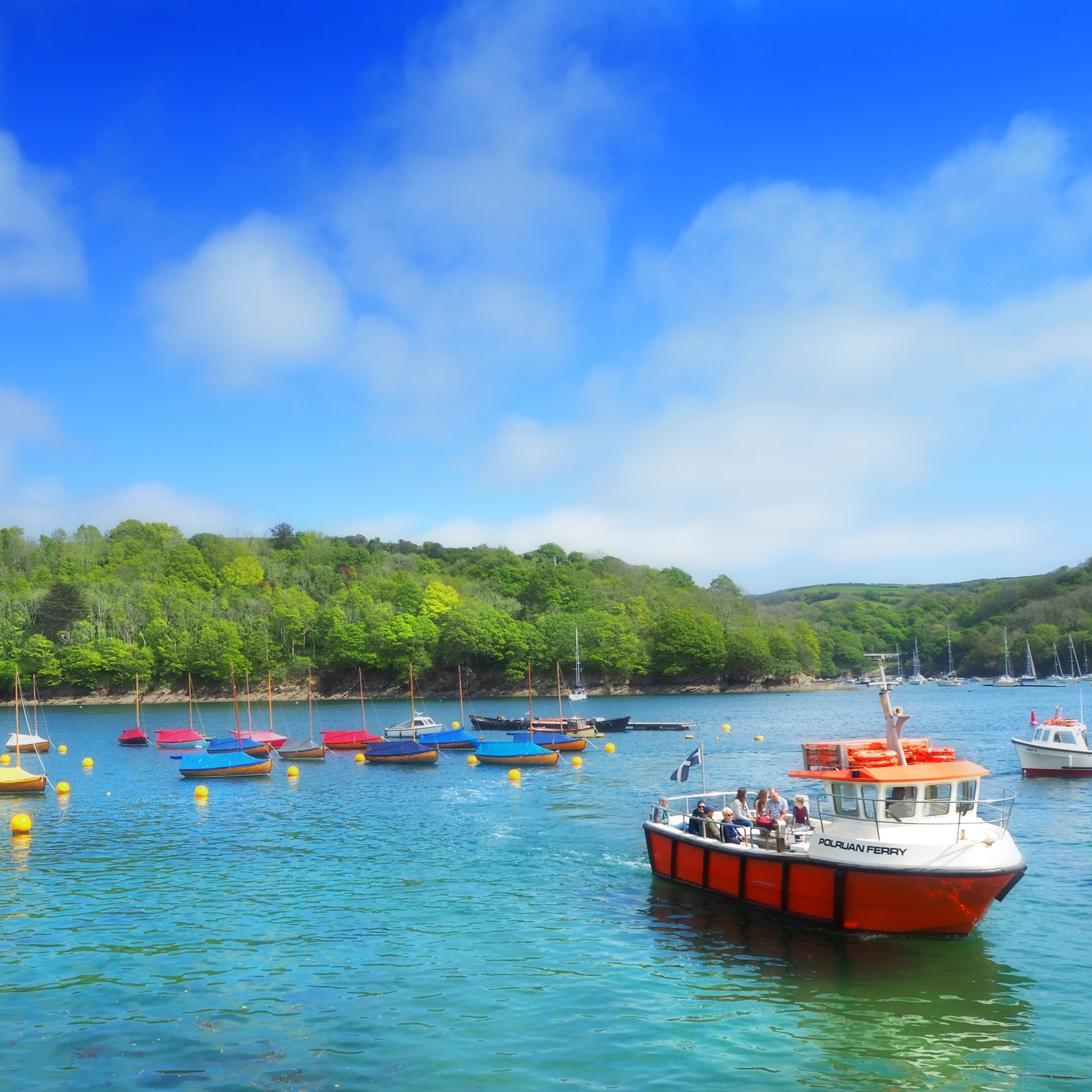


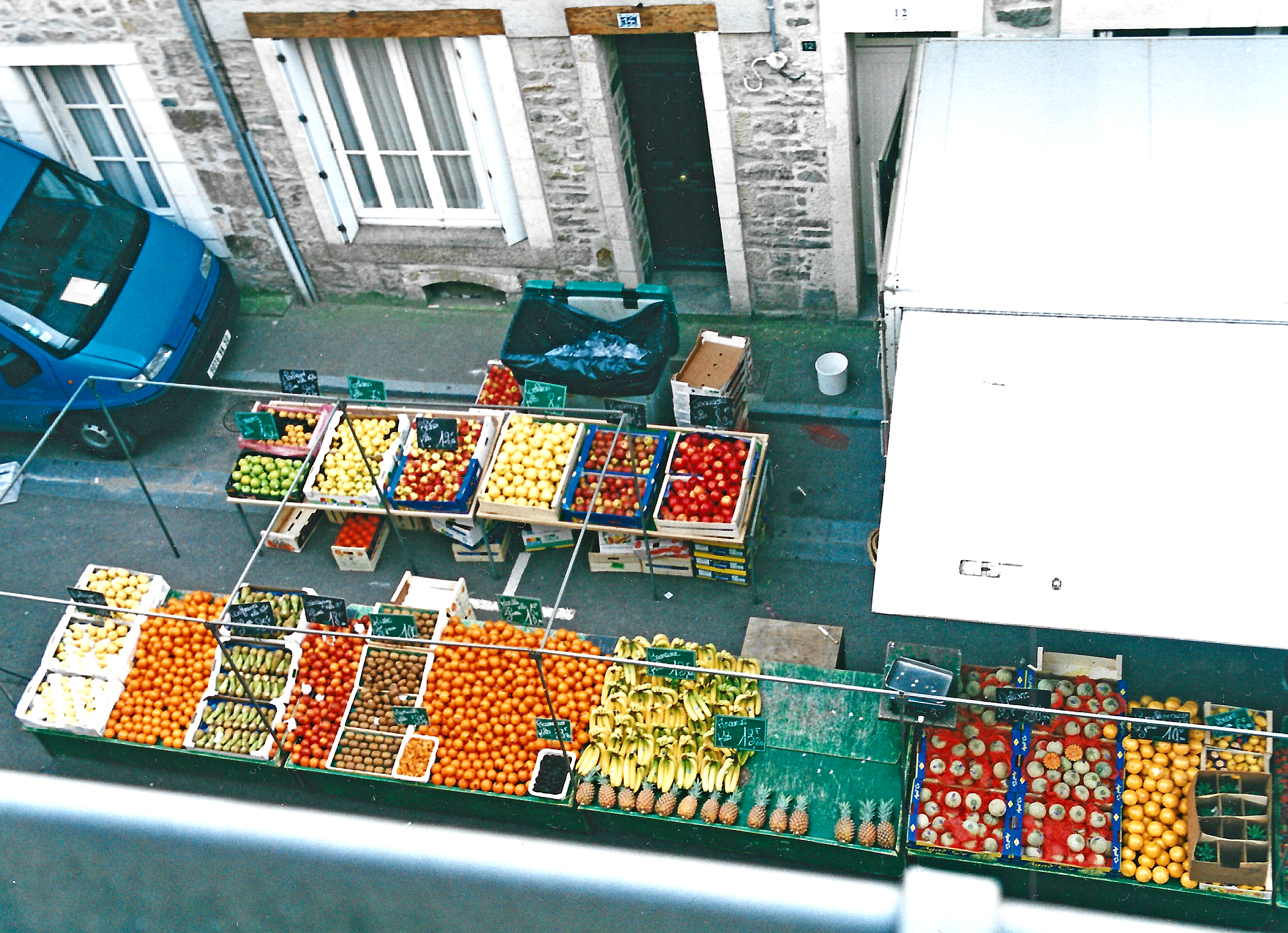




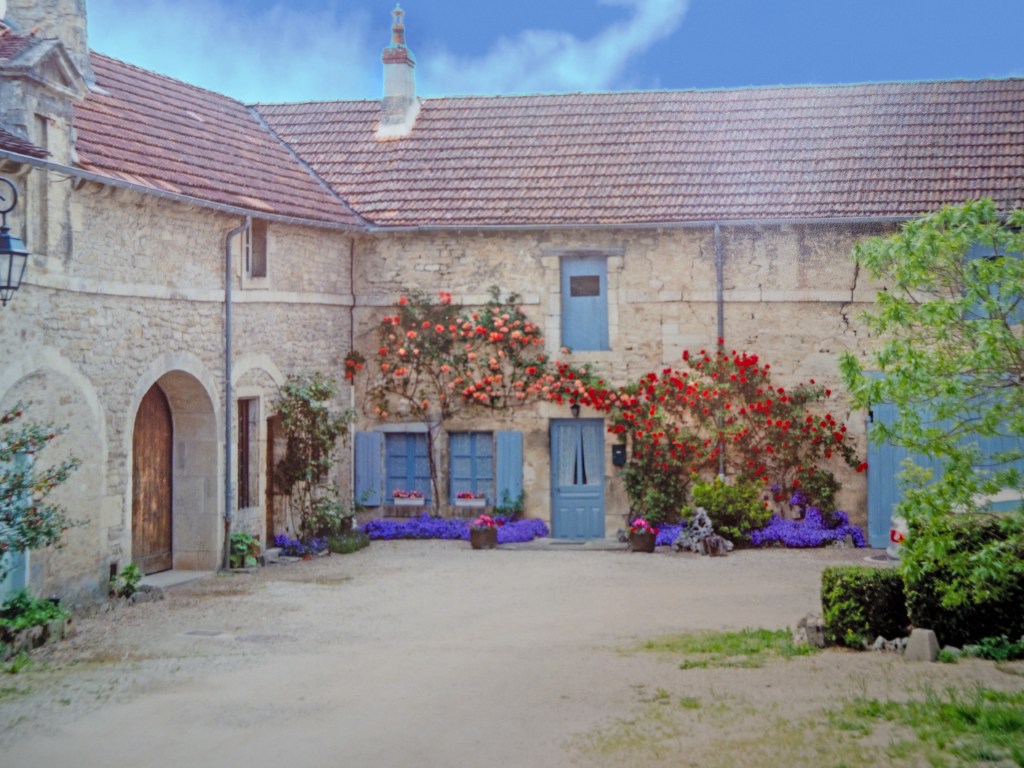




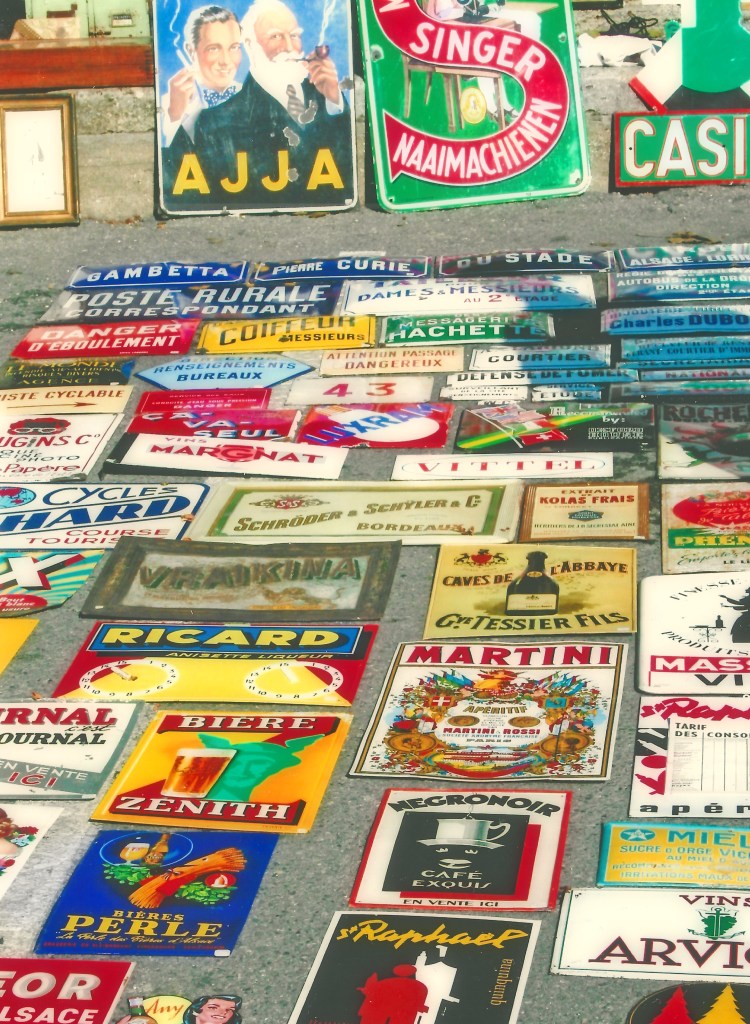


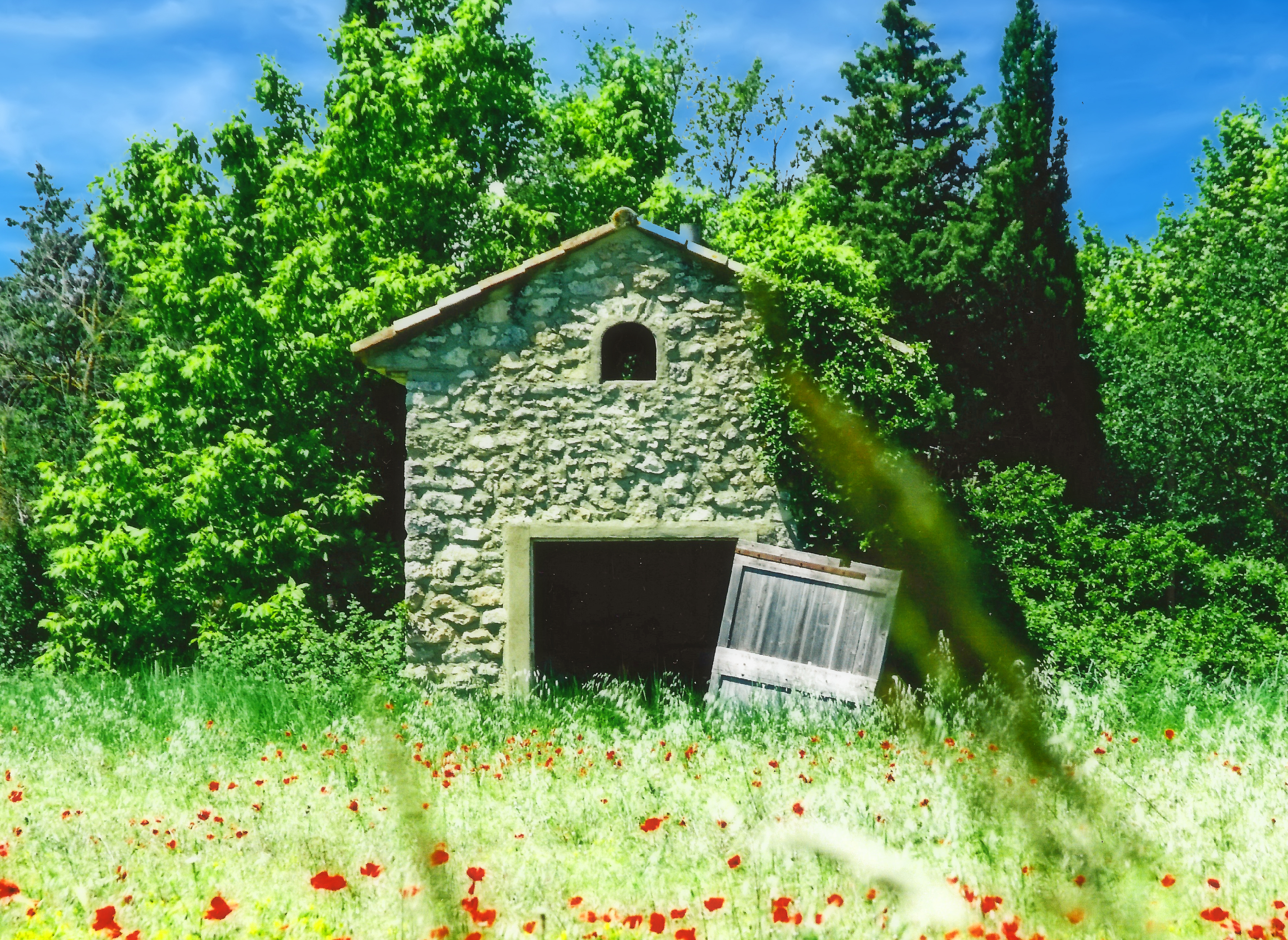
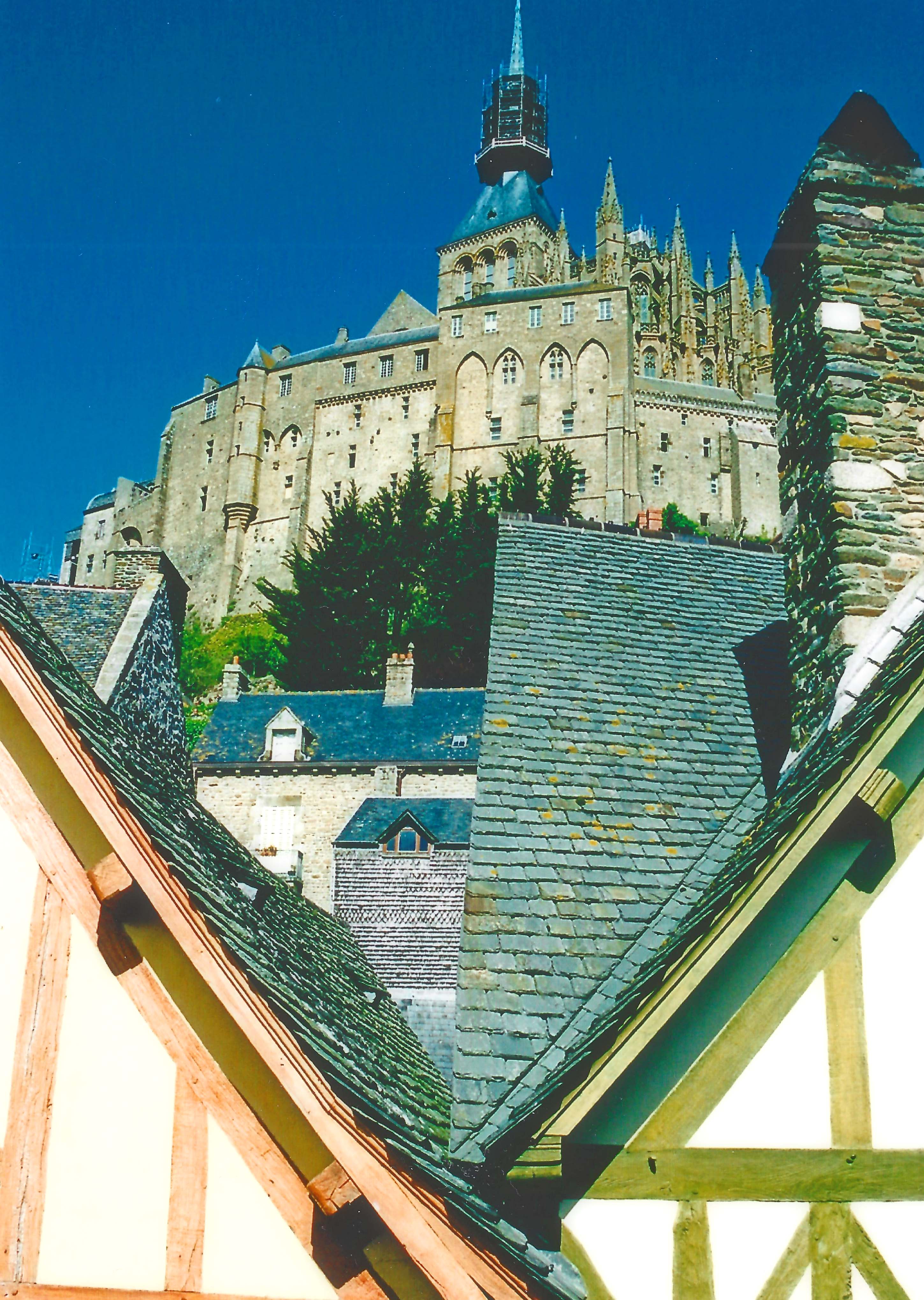
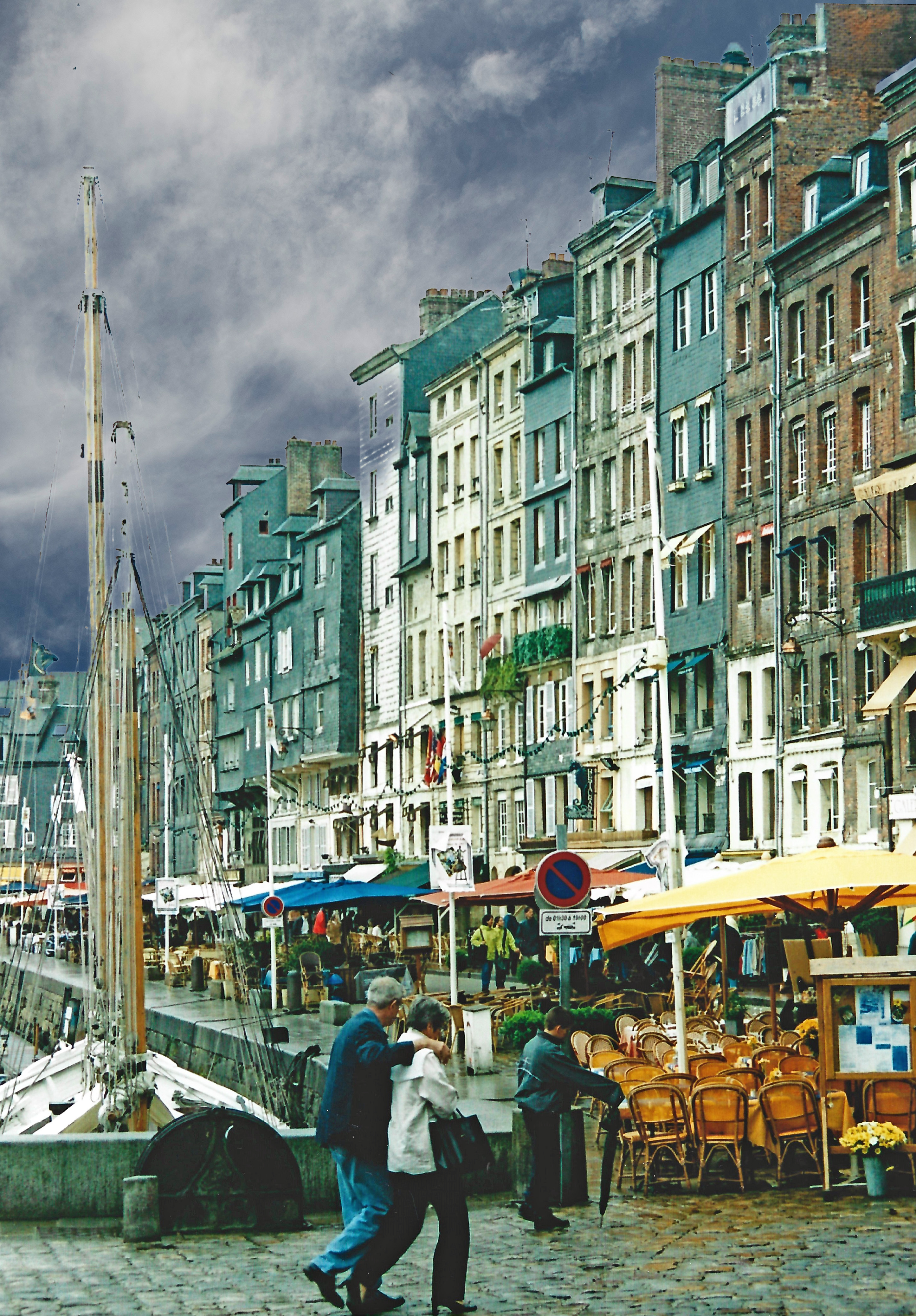
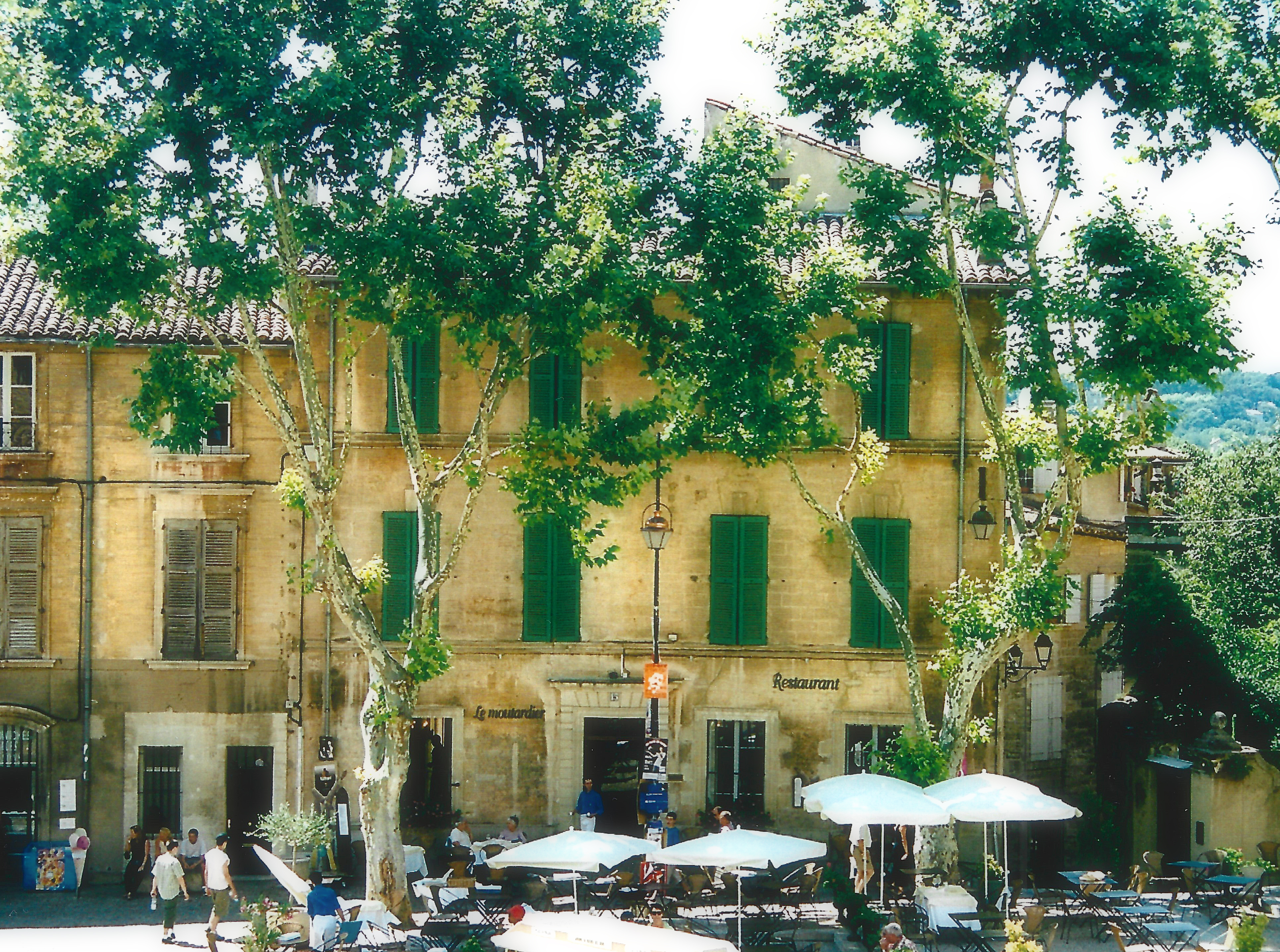


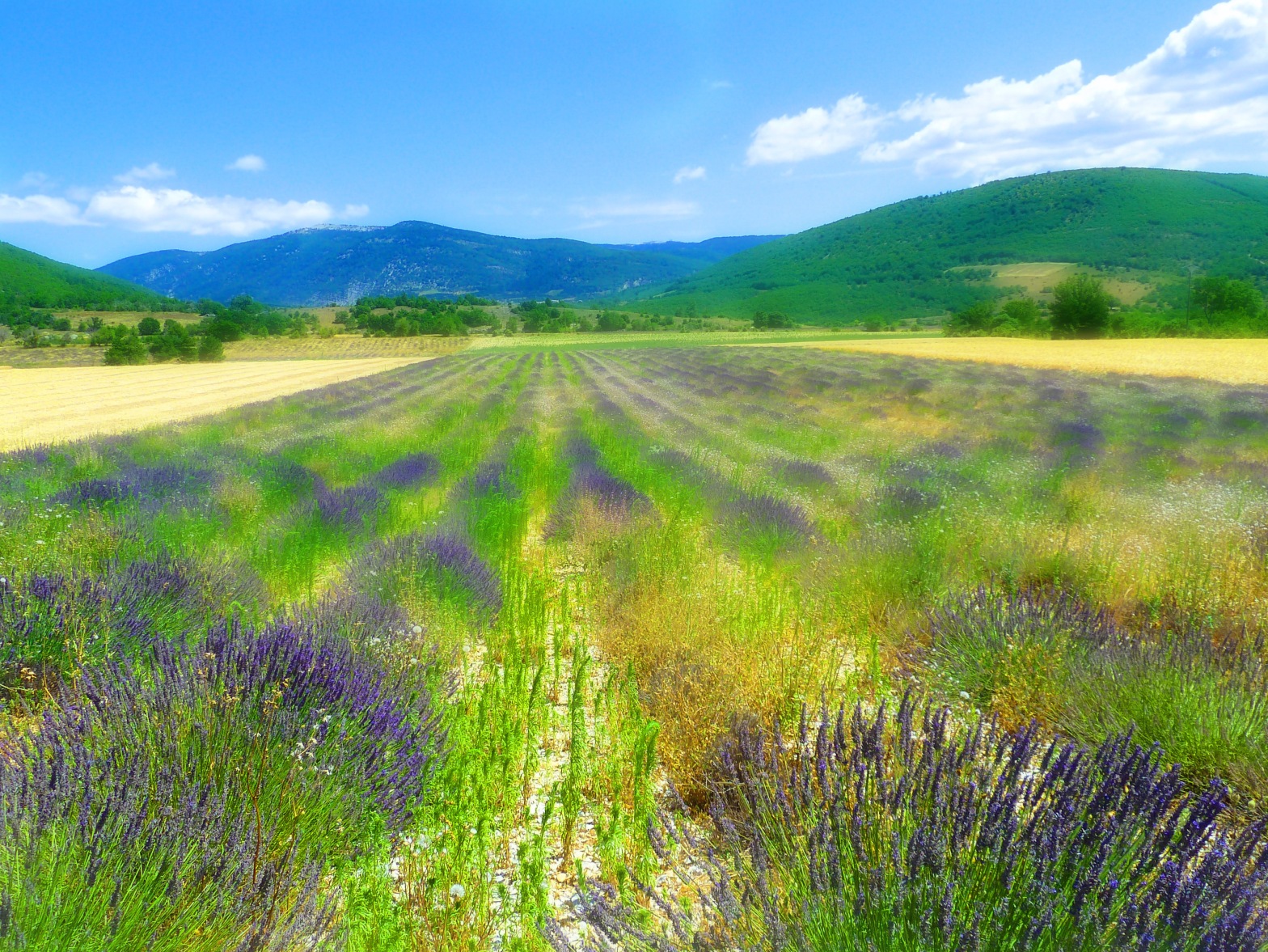


 French Travel Books - France, Paris, Provence & French Food & Wine